Well report No. RR-5866 · T14N · R36W · SEC 14 · filed November 16, 2026
Petroleum MarketsWell report
90 More Days: White House Extends Record Jones Act Waiver
The White House extended its Jones Act waiver for 90 days, the longest in the law's history. Foreign ships have moved 90 million barrels of petroleum between US ports since March.
Field notes
- White House extended the Jones Act waiver for 90 days, the longest in the law's history.
- 90 million barrels of petroleum, mostly refined, moved between US ports under the waiver since March.
- Cargo includes 27 million barrels of gasoline, 26 million barrels of crude, and 6 million barrels of renewable fuels.
- The August renewal introduced case-by-case approval, which continues under the latest extension.
- The domestic shipbuilding lobby, a strong Jones Act backer, has historically limited waiver length.
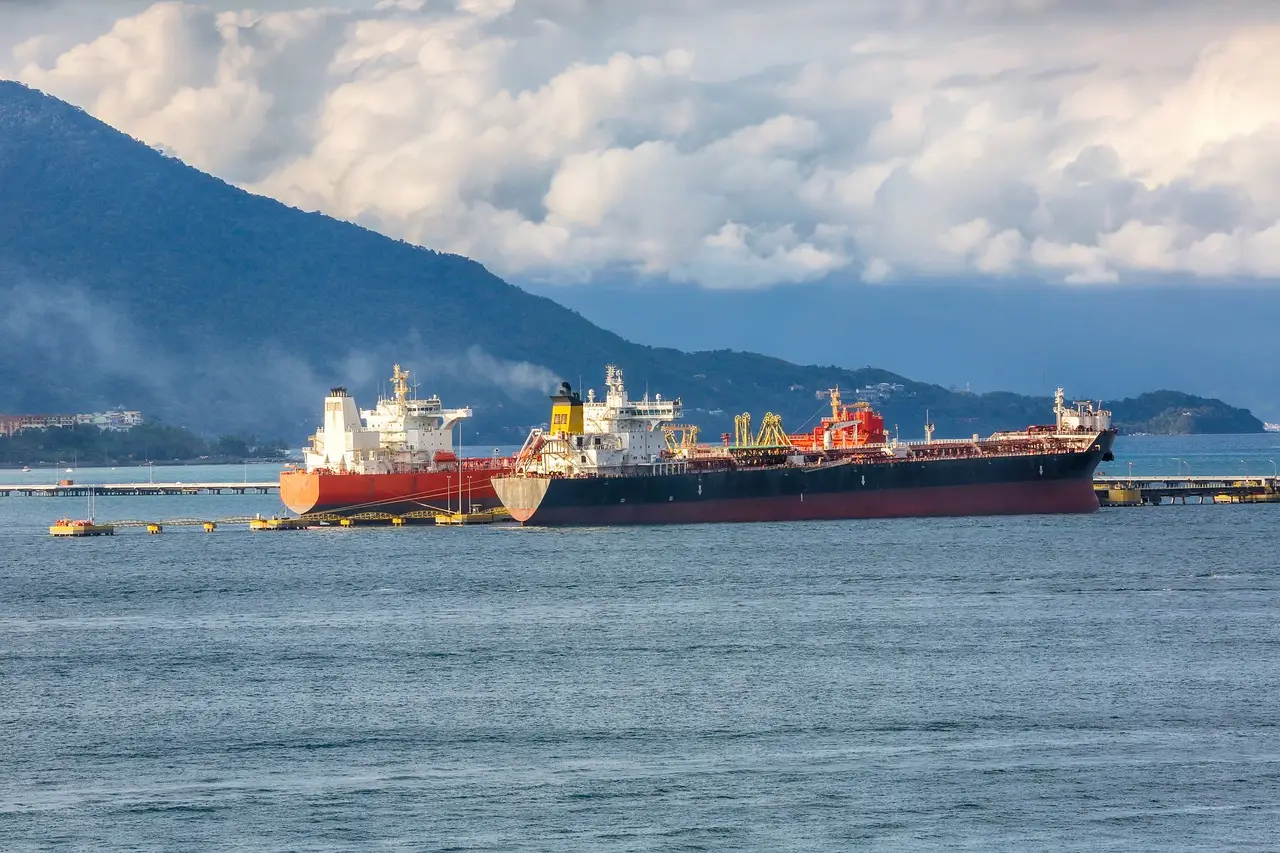
The White House has extended its Jones Act waiver for another 90 days, allowing foreign-flagged ships to keep carrying oil and other commodities between US ports. A White House official confirmed the extension on Friday. It is the longest waiver in the history of the shipping law, which dates back more than a century.
What does the waiver actually do?
The Jones Act requires cargo moving between US ports to travel on ships built in the United States, owned by US companies, and crewed by American workers. The waiver suspends those requirements. Foreign tankers and bulk carriers can now serve coastal routes that were previously closed to them.
The administration issued a blanket waiver in March, one month after the US launched its war on Iran. The stated goal was to lower oil and fuel prices. In August, the administration renewed the waiver but tightened the process — decisions would come case by case, not automatically. That stipulation carries through the latest extension.
So the framework now is a hybrid: a broad waiver in effect, but individual movements still subject to case-by-case approval. The White House has not published the criteria behind those decisions. That gap matters for any shipper planning coastal movements past the new expiry.
How much cargo has moved?
Since March, an additional 90 million barrels of petroleum — mostly refined products — have shipped between US ports under the waiver, according to the White House. The breakdown the administration provided:
- 27 million barrels of gasoline
- 26 million barrels of crude oil
- 6 million barrels of renewable fuels
The remainder of the 90 million barrels sits outside those three categories, and the White House did not itemize it. Diesel and fertilizer volumes — both cited as price pressures the waiver was meant to relieve — did not appear in the released figures. Readers should note what is missing there.
Reuters reported on Thursday, citing industry sources, that the extension was coming before the White House confirmed it on Friday.
Why the politics complicate the timeline
Waiver length has historically been constrained for one reason: the domestic shipbuilding industry backs the Jones Act forcefully, and it is a powerful lobby across the country. Every extension tests that coalition. A 90-day renewal, rather than an open-ended one, keeps the administration's options open without a permanent fight with US shipbuilders.
The war on Iran drove up gas, diesel, and fertilizer prices, and the waiver's stated purpose is to relieve that pressure by increasing shipping flexibility and reducing transport bottlenecks. Whether it has actually lowered pump prices is a claim the administration repeats but has not demonstrated with data; no price-impact figures accompanied Friday's announcement.
The case-by-case approval structure retained from August gives officials a lever to tighten or loosen volumes without a new waiver fight, which suggests the White House wants that flexibility as the war's market effects evolve.
The watch item
The new expiry lands roughly 90 days out. Watch for two things before then: whether the White House releases any evidence tying the 90 million barrels moved to measurable price relief, and whether domestic shipbuilding lobby pressure forces a shorter or conditioned renewal next cycle. The burden of proof on the price claim now sits with the administration, and so far it has not met it.
via oedigital.com (Source)
More from Priya Raman
Show full bio
Senior reporter covering technology and product news in Oil and gas industry operations and markets at Rig & Refinery.
633 articles
Adjoining reports
- Jones Act waiver extended 90 days after 90 million barrels moved
- US Waives Russia Sanctions as Gulf Flows Halve on Shipping Disruption
- U.S., Iran Revive June Deal Framework for Hormuz Reopening
- WTI Widens to $12 Discount to Brent as Freight and Diesel Ban Talk Bite
- White House Opens Effort to Expand US Offshore Leasing