Well report No. RR-7205 · T3N · R27W · SEC 15 · filed November 4, 2026
Midstream & PipelinesWell report
ADNOC Reportedly Weighs Third Hormuz Bypass Pipeline to Fujairah
ADNOC is reportedly briefing Asian customers on a third Hormuz bypass pipeline to Fujairah, on top of the 1.5 million bpd Habshan line and the 2027 West-East project. ADNOC calls it speculative.
Field notes
- Bloomberg reported Wednesday that ADNOC is weighing a third crude bypass pipeline to Fujairah; ADNOC called the report 'not accurate and purely speculative.'
- The existing Habshan–Fujairah pipeline, operating since 2012, runs 252 miles with capacity of 1.5 million bpd, expandable to 1.8 million.
- The West-East Pipeline, announced earlier this year, is expected online in 2027 and would double export capacity through Fujairah.
- Saudi Arabia is expanding bypass routes and Kuwait is proposing new pipelines around the Strait of Hormuz.
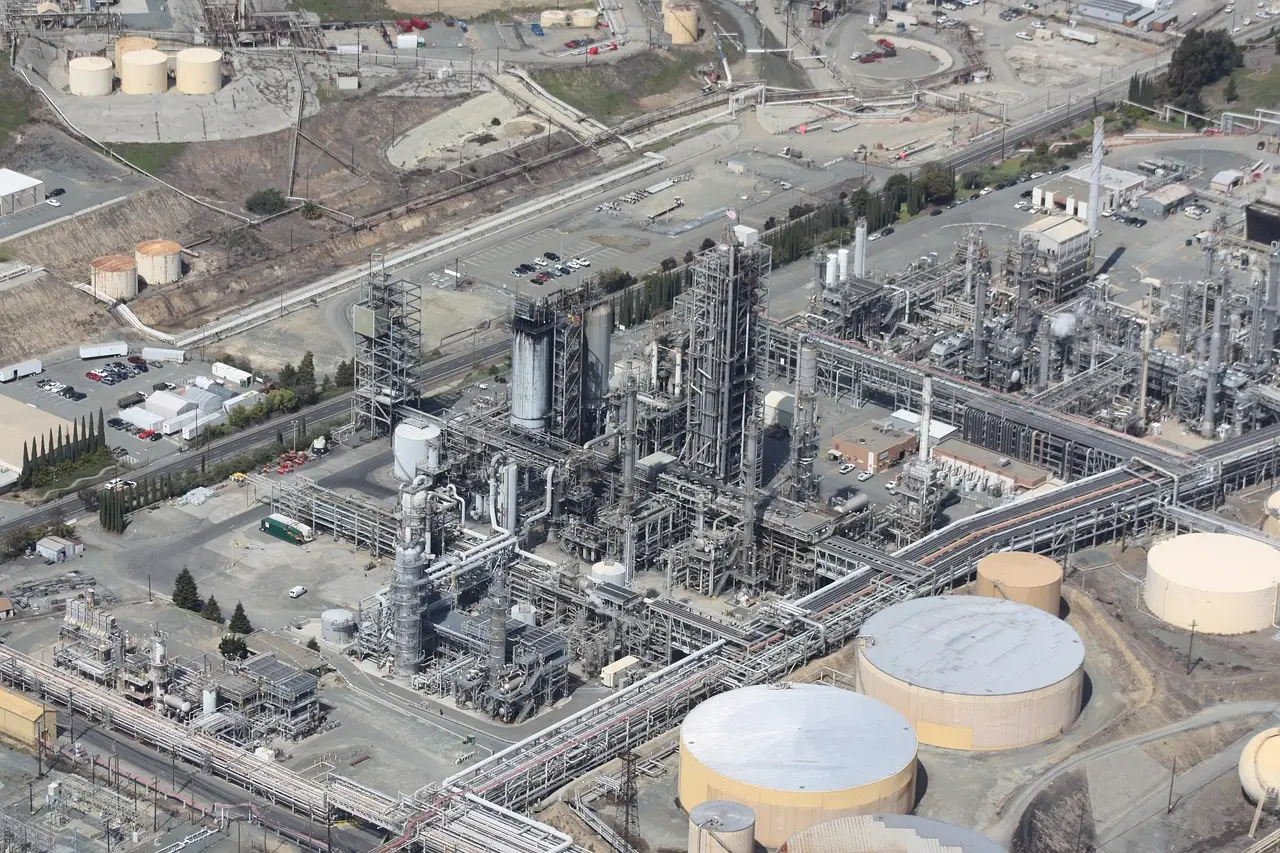
Abu Dhabi National Oil Co. is weighing a third crude pipeline from the UAE's western coast to Fujairah that would bypass the Strait of Hormuz and could supply Asian customers directly, Bloomberg reported Wednesday. ADNOC has pushed back: a company spokesperson told the outlet, "We have advised Bloomberg that this report is not accurate and purely speculative."
The disclosure, if it holds, would extend the UAE's already expanding network of Hormuz bypass infrastructure. The plan sits firmly in the pre-sanction, appraisal-stage category: Bloomberg cited people familiar with the matter who said the plans have not been finalized and could still change, including the route.
What is operating today?
The UAE's only crude export line around the strait has run since 2012. It stretches 252 miles from Habshan in Abu Dhabi to Fujairah on the Gulf of Oman, with a nameplate capacity of 1.5 million bpd, expandable to 1.8 million bpd.
Fujairah's value is geographic. The port sits outside the Hormuz chokepoint, so tankers loading there never enter the Persian Gulf. For crude buyers and traders, that removes the political-risk premium attached to Gulf-borne cargoes transiting the strait.
What is already sanctioned?
Earlier this year the UAE announced the West-East Pipeline, expected to begin operations in 2027. The project would double export capacity through Fujairah, giving the emirate a second state-backed route to the Gulf of Oman coast.
That gives practitioners the working timeline: one line operating since 2012, one sanctioned with a 2027 startup, and a third now reported but unconfirmed.
What did Bloomberg actually report?
According to the outlet:
- ADNOC has been telling some customers in Asia about the prospective pipeline.
- The plans have not been finalized and could still change, including the route, according to a number of people described as familiar with the matter.
- The line would run from the UAE's western coast to Fujairah and could supply Asian customers while bypassing Hormuz.
The attributed sourcing matters here. This is not an FID, a capacity award, or a tender. It is a signal — one the company itself disputes.
Why does a third line matter for the strait?
The wider context is regional. Other US-allied Gulf producers are expanding pipeline routes around Hormuz, with Saudi Arabia advancing projects and Kuwait proposing new lines of its own. Taken together, analysts argue, these projects could erode Iran's leverage over Gulf energy flows, which pass through a chokepoint Tehran has repeatedly threatened to close.
That leverage question is analysis, not fact. What is concrete is the direction of capital: every additional barrel of bypass capacity shifts loading infrastructure from inside the strait to outside it, and weakens the operational case for Hormuz-transiting cargoes regardless of Iranian behavior.
For Asian refiners — among the largest buyers of Gulf crude — a third line would add another fixed supply option with lower geopolitical exposure. For charterers and terminal operators at Fujairah, it signals continued volume growth at a port already positioned as the region's key east-coast export hub.
The watch item
Watch for ADNOC's confirmation or denial hardening into a project announcement — capacity figures, a route, and a contractor — ahead of the West-East Pipeline's 2027 startup. Until then, the third line remains unconfirmed reporting, dismissed by the company itself.
In plain terms: the UAE already has one Hormuz bypass running and a second sanctioned for 2027; a third exists, for now, only in unconfirmed reports the operator calls speculative.
via bloomberg.com (Original)
More from James Calloway
Show full bio
Staff writer covering people, launches and day-to-day practice in Oil and gas industry operations and markets at Rig & Refinery.
611 articles
Adjoining reports
- Three Pipelines, One Chokepoint: Hormuz Bypass Capacity Revisited
- UAE pushes pipeline program to double non-Hormuz oil exports
- Saudi Arabia moves to widen oil export routes beyond Hormuz
- Saudi Arabia Plans 40% Pipeline Capacity Boost to Bypass Hormuz
- Saudi Arabia Weighs Crude Pipeline to Oman, TotalEnergies Chief Says