Well report No. RR-3261 · T19N · R32W · SEC 31 · filed October 19, 2026
Midstream & PipelinesWell report
Alaska opens 30-year TAPS operations extension review
Alaska's regulatory commission has launched a formal proceeding to authorize 30 additional years of operations on TAPS, the 800-mile crude artery that has linked North Slope production to the marine terminal at Valdez since 1977.
Field notes
- Alaska regulators opened a formal proceeding to authorize 30 additional years of TAPS operations.
- TAPS spans 800 miles from Prudhoe Bay to the marine terminal at Valdez and has operated since 1977.
- Alyeska Pipeline Service Company operates TAPS on behalf of a consortium of North Slope producers.
- The line's design throughput reached approximately 2 million barrels per day in the late 1980s.
- The closing of the state regulatory commission's public comment record is the next procedural milestone.
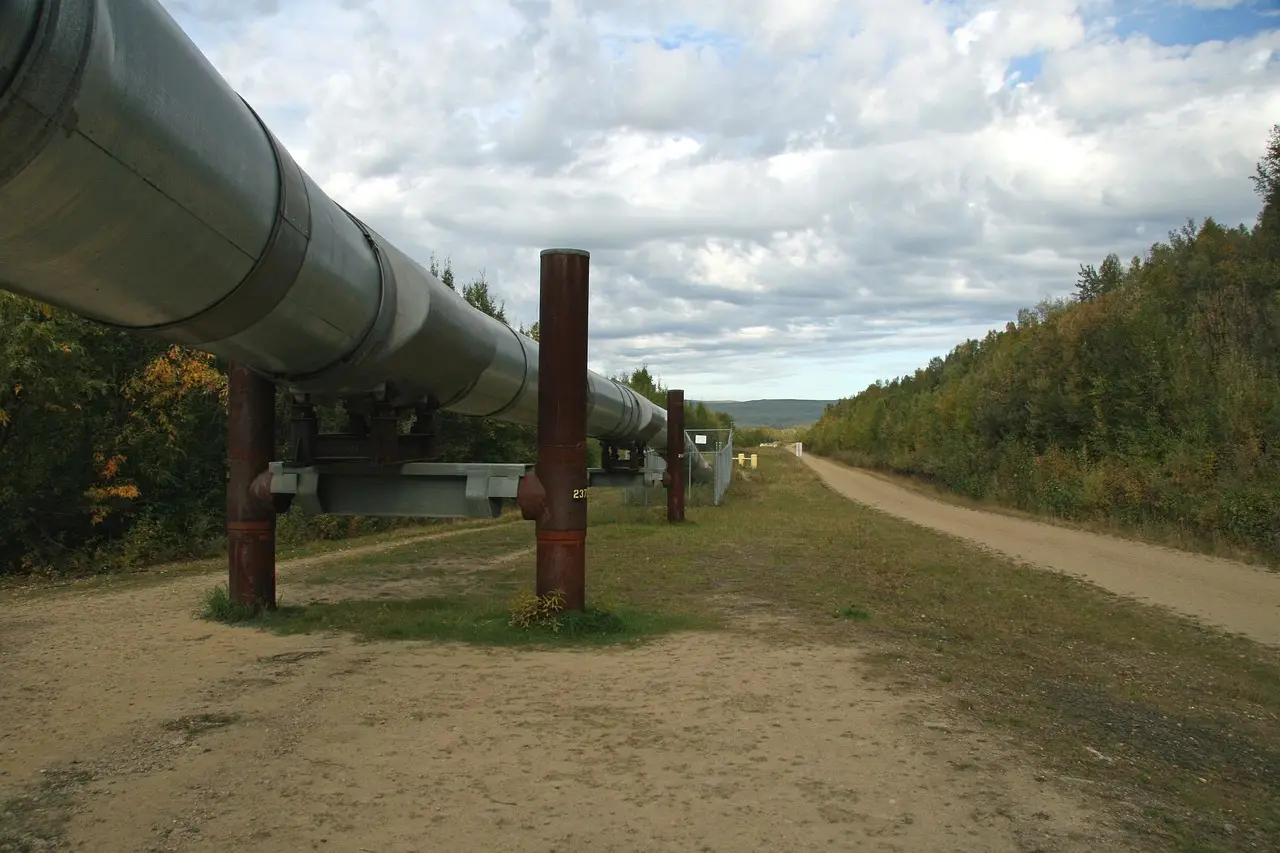
Alaska regulators have launched a formal proceeding to authorize an additional 30 years of operations on the trans-Alaska Pipeline System (TAPS), the 800-mile crude oil line that has linked North Slope production to the marine loading terminal at Valdez since 1977. The state-led review will set the operating terms for the next authorization cycle on the country's largest crude artery.
What does the 30-year review cover?
The proceeding will examine long-term operating conditions for the pipeline and its related facilities across the full system. A 30-year extension would carry the line's authorized operating window well past mid-century.
The commission will weigh throughput, integrity management and right-of-way stewardship across the corridor of lands that the line traverses between Prudhoe Bay and Port Valdez, drawing on filings from the operator and from agencies along the route.
The takeaway: the authorization cycle will govern nearly every aspect of the line's commercial and technical operations for the duration.
Why does the line need a new authorization now?
TAPS reached throughput near its 2 million barrel-per-day design rate in the late 1980s. Current flows have fallen substantially as North Slope production has matured across the major fields feeding the line.
The previous authorization cycle added specific stipulations for low-flow operations including minimum flow assurance, chemical treatment and thermal management requirements that have shaped subsequent operating practice on the line.
The takeaway: a multi-decade term commits both operator and regulator to a predictable framework for low-flow integrity work.
Who operates the line and who else has standing?
Alyeska Pipeline Service Company operates TAPS on behalf of a consortium of North Slope producers. The ownership group has restructured since line construction in the 1970s, but Alyeska has remained the operator throughout the system's history.
State, federal and tribal authorities will each file input through the public docket over the comment window that follows the commission's order opening the proceeding. Alaska Native regional corporations whose land selections the line crosses will also participate in the record.
The takeaway: a 30-year authorization is a coordinated, multi-jurisdiction decision rather than a single-agency ruling.
What is the procedural path forward?
The state regulatory commission has opened a public comment window. Industry filings, technical input from the operator, and environmental submissions will populate the record over the coming months.
Commission staff will prepare a recommendation for the full commission, drawing on the technical filings, environmental submissions and tribal authority input that have been entered into the record during the comment period.
The takeaway: the next milestone is the close of the public comment record, after which the timetable for a final order begins on a multi-decade scope.
What broader context frames the proceeding?
The trans-Alaska pipeline reached design throughput at a North Slope production peak that no longer holds. Sustained investment in flow assurance has kept the line in continuous service across decades of declining upstream supply from the major North Slope fields.
The 30-year question is the first authorization cycle to be defined entirely in the post-peak flow regime, after sustained integrity investments have kept the line operational at substantially reduced throughput rates.
The takeaway: any conditions set in this cycle will become the reference standard for the next multi-decade regulatory review on the system.
The watch item
The closing of the public comment record is the next scheduled milestone on the docket. The term length and operating conditions set in the final order will determine how the operator and the producer consortium allocate capital toward integrity, low-flow operations and right-of-way maintenance across a multi-decade window through the second half of the century.
via Google News: Pipelines and midstream (Source)
More from Olivia Hart
Show full bio
Correspondent covering technology and product news in Oil and gas industry operations and markets at Rig & Refinery.
522 articles