Algeria, OPEC Hold Talks on Global Petroleum Market
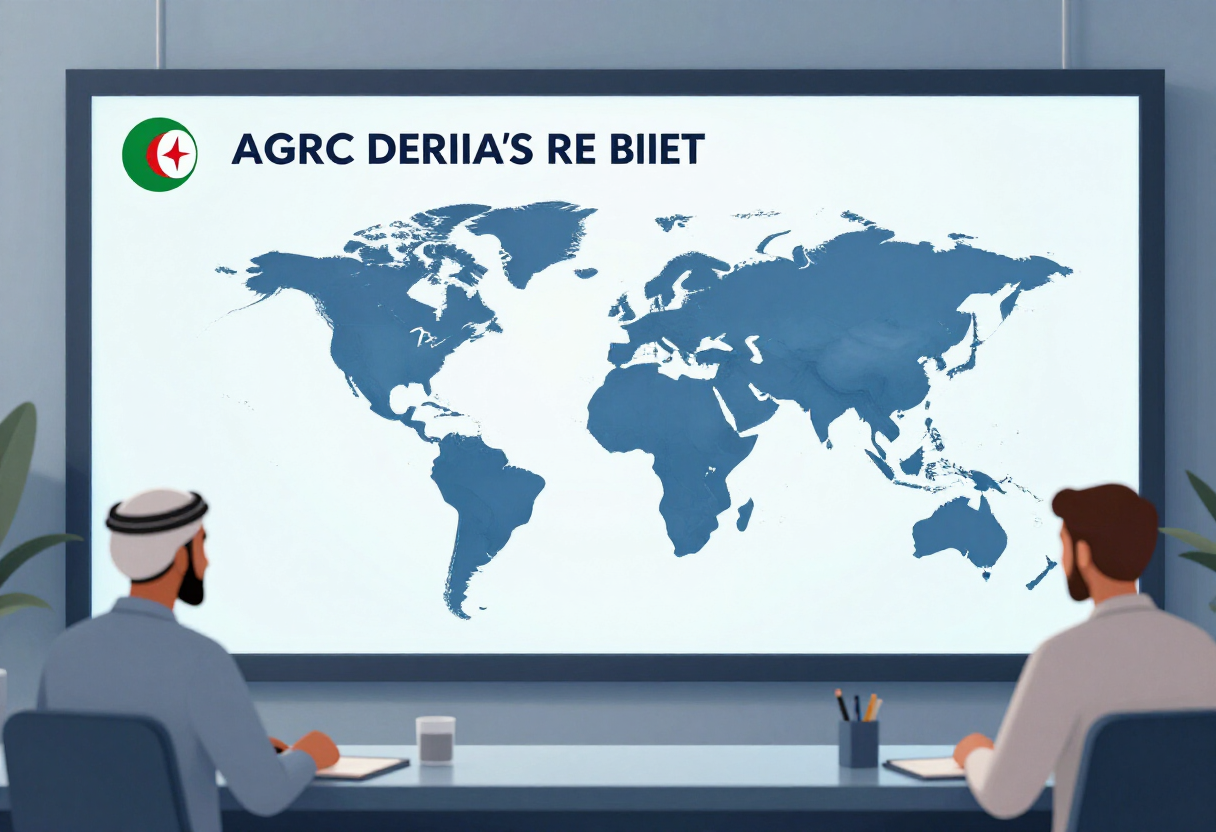
Algeria and OPEC have held talks on developments in the global petroleum market, QNA reported, with no policy decisions disclosed and output targets unchanged ahead of the group's next ministerial gathering.
TAG K-6525 · 431 words on the permit
Scope of work
- Algeria and OPEC discussed developments in the global petroleum market, per a Qatar News Agency report.
- No production decisions, quotas, or timelines were disclosed in the reported talks.
- Algeria produces roughly 900,000 bpd of crude, with the bulk managed by state operator Sonatrach.
Algeria and the Organization of the Petroleum Exporting Countries have held discussions on developments in the global petroleum market, Qatar News Agency reported.
The talks, confirmed through the QNA report, centered on current conditions in the crude market and the forces shaping supply and demand. Details on the specific venue, the participants by name, and the precise date of the exchange were not disclosed in the available reporting. QNA did not publish direct quotes from either side.
For Algeria, the consultation fits a familiar pattern. The country sits among Africa's largest crude producers, with output running at roughly 900,000 bpd in recent months, according to figures reported through OPEC's own secondary-source surveys. Sonatrach, the state operator, manages the bulk of that production from fields concentrated in the Hassi Messaoud region and the Berkine basin, with additional volumes from new gas and condensate developments in the southwest.
Algeria's stake in OPEC's market management is direct. The country participates in the group's production agreements alongside the eight producers in the wider OPEC+ coalition, and its export revenue — anchored by crude sales to Europe and by pipeline gas flows to Spain and Italy — tracks the price signals that the group's output decisions help set. Any discussion Algiers holds with the Vienna-based organization carries weight for its budget planning, where hydrocarbon receipts fund the majority of state revenue.
The reported exchange comes at a sensitive point for the producer group. OPEC and its allies have spent much of the past two years calibrating supply against uneven demand recovery, inventory movements in OECD markets, and rising non-OPEC output from the United States, Brazil, Guyana, and Canada. Delegates have repeatedly flagged the group's practice of consulting member states between formal ministerial gatherings, and Algeria has historically positioned itself close to Saudi Arabia's line on market-stabilizing policy.
What the talks did or did not decide remains outside the public record. QNA's account indicates a discussion of market developments rather than an announcement of policy. No production target, quota adjustment, or timeline emerged from the reporting.
The next hard data point arrives with OPEC's monthly oil market report, which will give the organization's latest read on Algerian output, global supply, and demand forecasts. Formal decision-making authority rests with the OPEC ministerial meetings and the joint ministerial monitoring committee, where members review compliance and weigh adjustments.
Watch for the next OPEC+ ministerial decision on production targets, and for any readout from Algiers on whether the consultation signals a position ahead of that meeting.
via Google News: OPEC and oil markets (Source)
More from Priya Raman
Show full bio
Senior reporter covering media and advertising at Rig & Refinery.
30 articles
Linked permits
- K-1581
- T-4225
- K-1137
- E-5590
- P-7265