Well report No. RR-7957 · T1N · R28W · SEC 25 · filed October 30, 2026
Oilfield ServicesWell report
ANYbotics begins deliveries of ATEX-certified inspection robot ANYmal X
ANYbotics has begun deliveries of ANYmal X, an ATEX/IECEx-certified legged robot for hazardous-zone inspection, with Equinor and DSM-Firmenich as first users after trials since 2023.
Field notes
- ANYmal X is certified to ATEX and IECEx standards for explosive atmospheres
- First customers include Equinor and DSM-Firmenich
- BP, Shell, PETRONAS, Petrobras, BASF and SLB joined the Early Access programme with hundreds of field trials since 2023
- Sensor payload covers thermal, visual, acoustic and gas measurement of pumps, compressors and valves
- Data feeds plant maintenance software via the Shift API
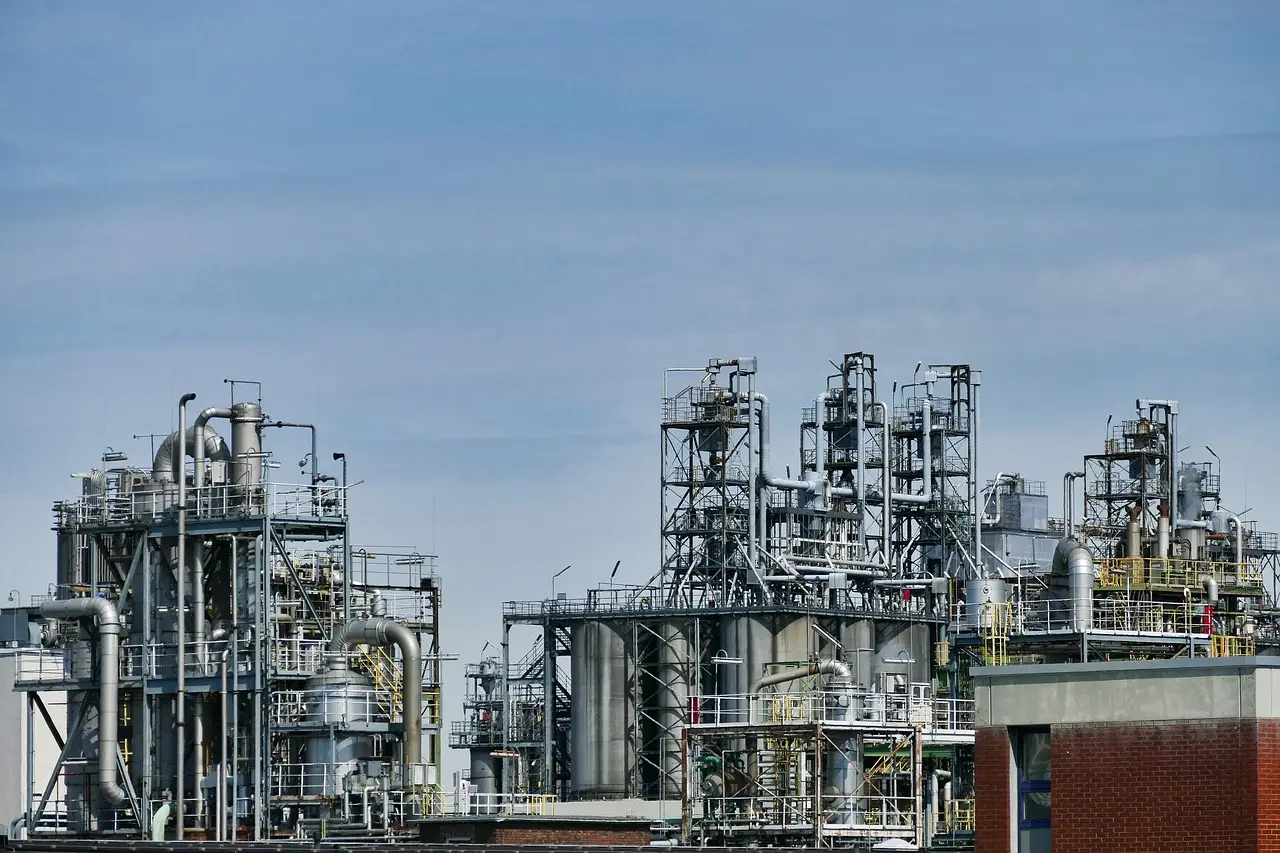
Swiss robotics firm ANYbotics has started customer deliveries of ANYmal X, a four-legged inspection robot certified for explosive atmospheres, with Equinor and DSM-Firmenich among the first operators to deploy the machine at oil, gas and chemical facilities.
The delivery marks the first commercial availability of a legged robot built to operate in ATEX- and IECEx-rated hazardous zones — the areas of refineries, petrochemical plants and upstream facilities where ignition risk has kept virtually all robotic equipment out until now.
Why does certification change the inspection workflow?
In conventional practice, human inspectors entering hazardous zones need specialist protective equipment and permits, while standard robots are restricted because their electrical systems can ignite flammable atmospheres. ANYmal X removes that constraint on the robot side. It complies with Atmosphères Explosibles (ATEX) and International Electrotechnical Commission System for Certification (IECEx) standards, which govern operation in hazardous zones.
Every core component — including the high-power motors and batteries — has been individually certified as explosion-proof. Protective measures include nitrogen-sealed electronics, non-metallic insulation and flame-retardant casings.
For plant operators, the practical gain is a shift away from manual rounds in the most dangerous sections of a facility, cutting personnel exposure to environments where an ignition event can be fatal.
What does the robot actually inspect?
ANYmal X carries a combined sensor payload — thermal, visual, acoustic and gas — to assess the condition of pumps, compressors and valves, the rotating and pressure equipment that dominates routine inspection schedules at downstream sites.
Results are logged with precise asset information and fed directly into plant maintenance software through ANYbotics' Shift API, so anomalies trigger a rapid response rather than waiting for a written report. The robot also supports continuous facility monitoring, an operating mode ANYbotics says helps address maintenance issues before they escalate and minimises operational disruptions.
On mobility, the machine handles industrial obstacles such as stairs and narrow walkways without any modification to existing facilities — a point that matters for brownfield sites where retrofitting access routes for wheeled robots is rarely economic.
Who has tested it, and what did they say?
BP, Shell, PETRONAS, Petrobras, BASF and SLB took part in the Early Access programme, supplying feedback from hundreds of field trials since 2023.
ANYbotics co-founder and CEO Péter Fankhauser framed the certification as a technical barrier broken. He said: "Many experts thought a legged robot could never be made safe for explosive atmospheres. Oil, gas and chemical plants are among the most hazardous and most costly places to operate."
"That makes them the prime case for physical and industrial AI, yet until now the areas that matter most were off-limits to robots like ours. That changes today," Fankhauser said.
What changes for operators?
The industry context is well established: persistent worker-safety exposure and costly unplanned downtime at refineries and petrochemical plants. Robotic inspection addresses both — fewer people in hazardous zones, and condition data captured at higher frequency than permit-driven manual rounds allow.
The delivery announcement puts ANYmal X in the sanctioned-and-shipped category rather than the trial category. Equinor and DSM-Firmenich are running routine inspection tasks with the robot now, not piloting it.
For maintenance engineers at ATEX-rated sites, the takeaway is simple: a certified legged robot that reads pumps, compressors and valves and writes straight into your maintenance system is now a purchasable item, and the Early Access feedback from six majors and BASF suggests it has already been through the field-testing wringer.
via Offshore Technology (Source)
More from James Calloway
Show full bio
Staff writer covering people, launches and day-to-day practice in Oil and gas industry operations and markets at Rig & Refinery.
587 articles