Well report No. RR-6419 · T17N · R28W · SEC 29 · filed November 8, 2026
Well report
Aramco Q3 Net Profit Jumps 34.5% to $36.25 Billion Despite War
Aramco's Q3 net profit rose 34.5% to $36.25 billion as $95.20/bbl realized crude offset war-driven output losses; Zuluf has started up targeting 600,000 bpd by end-2026.
Field notes
- Aramco Q3 net profit rose 34.5% to $36.25 billion from $26.9 billion a year earlier
- Q3 realized crude price averaged $95.20/bbl, up from $70.10 a year earlier
- Total liquids production fell to 8.7 million bpd from 10.8 million bpd a year earlier
- Zuluf crude project has begun production, targeting 600,000 bpd by end-2026
- Q3 base dividend held at $21.9 billion, matching prior two quarters
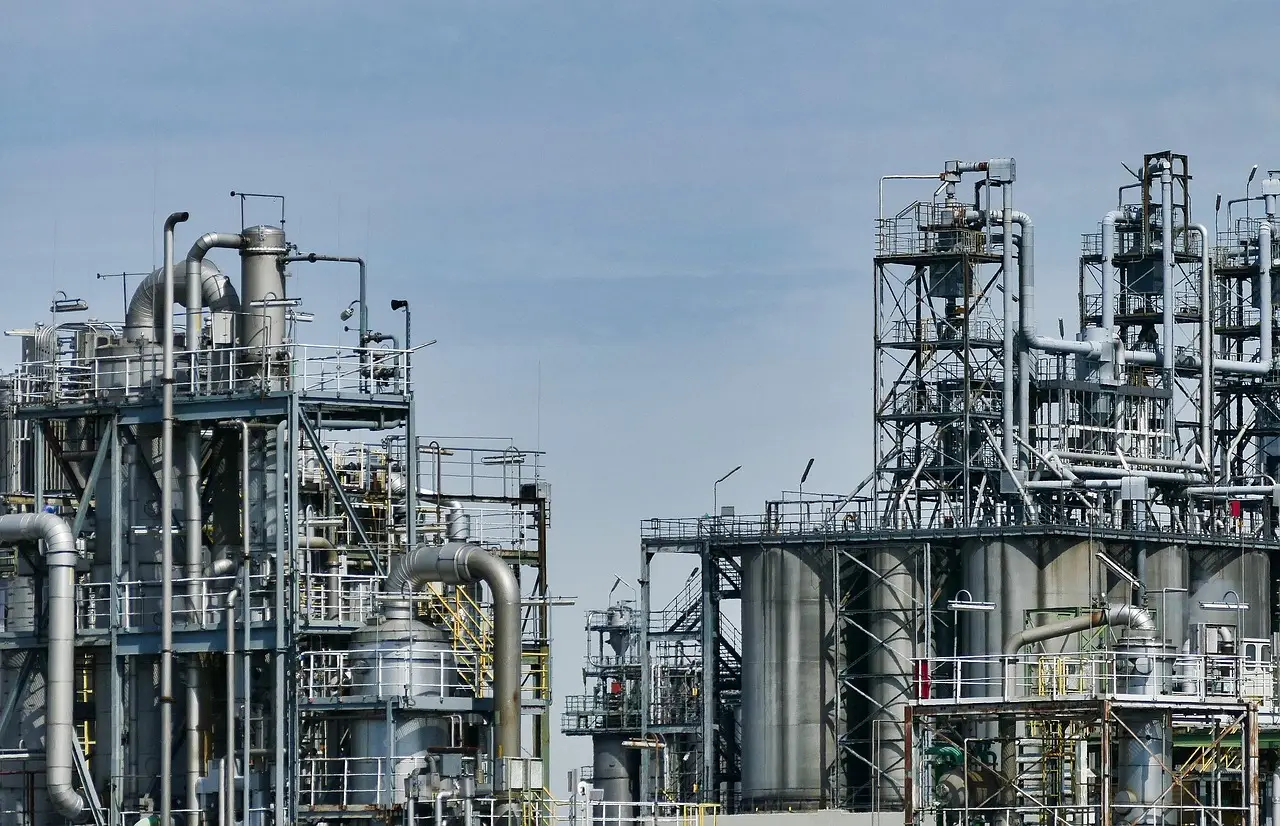
Saudi Aramco booked a 34.5% rise in third-quarter net profit to $36.25 billion, beating analyst expectations even as war-related attacks squeezed its production volumes and knocked supply reliability below 98% for the first time in years.
The figure, reported Tuesday for the three months ended September 30, compares with $26.9 billion a year earlier and $32.7 billion in the second quarter. Adjusted net income of about $31.2 billion came in ahead of a median consensus of $30.66 billion from 12 analysts polled by the company.
What's driving the number?
Two things: a much higher realized crude price and a one-off gain from exiting a Malaysian joint venture. Aramco's average realized crude price hit $95.20 a barrel in the quarter, up from $70.10 a year earlier, though down from $108.10 in the second quarter.
The US-Iran war has cut Aramco's output since fighting began in late February, when the US and Israel struck Iran, but stronger prices have more than offset the lost barrels. In September, the company completed the sale of its 50% equity interest in the PRefChem refining and petrochemical joint ventures in Malaysia to partner Petronas, booking the exit into third-quarter results.
Aramco declared a base dividend of $21.9 billion for the quarter, in line with the previous two quarters and tracking the expected full-year payout.
How bad were the disruptions?
Supply reliability came in at 97.8% for the quarter, down from 99.9% a year earlier and 98.4% in the second quarter. The East-West pipeline — which Aramco has leaned on heavily to move crude from its eastern Gulf terminals to western Red Sea export points — came under attack several times during the conflict. Other Saudi energy infrastructure and Aramco's headquarters have also been hit as fighting flared with Yemen's Iran-aligned Houthis.
The company said the dips were manageable. "This strong supply reliability was achieved despite some disruptions to the East-West Pipeline during the quarter as Aramco was able to quickly restore loadings in the western region using the pipeline's multiline configuration," Aramco said in its statement.
CEO Amin Nasser, who has called the East-West line a critical lifeline, said geopolitical uncertainty and attacks on key energy infrastructure have continued to amplify the global energy supply crisis — but that Aramco kept delivering reliably to customers through what he termed an "extraordinary period." The company is still exploring additional overseas storage capacity and alternative export routes, he added.
Where does production stand?
Total hydrocarbon production averaged 11.05 million barrels of oil equivalent per day in the third quarter, down from 13.3 million boepd a year earlier. Total liquids production was 8.7 million bpd against 10.8 million bpd in the third quarter of 2024. Aramco does not report its crude production volumes separately.
Secondary sources cited in OPEC's most recent monthly report put Saudi Arabia's September crude output at about 8 million bpd, down from just over 10 million bpd before the war began.
What's in the project pipeline?
Two sanctioned projects anchor the growth story:
- Zuluf: Production has begun at the offshore crude project, which Aramco expects to process up to 600,000 bpd of oil by the end of 2026.
- Jafurah: The unconventional gas project's second phase is due for completion next year and remains on track to reach 2 billion standard cubic feet per day of gas by 2030.
Both timelines survived the war intact, which matters for a company balancing wartime export logistics against long-cycle capacity additions.
The watch item now is the fourth-quarter realized price: with Q3's $95.20 already down $12.90 from Q2, the payout trajectory and the 8-million-bpd production floor will both hinge on how the conflict, and OPEC's management of it, evolve through year-end.
via aogdigital.com (Source)
More from Elena Vasquez
Show full bio
News editor covering technology and product news in Oil and gas industry operations and markets at Rig & Refinery.
566 articles