Well report No. RR-9958 · T8N · R41W · SEC 32 · filed October 30, 2026
OffshoreWell report
Arbitration Court Strips $12 Billion From Kazakhstan's Kashagan Claims
The Hague court excluded $12 billion of Kazakhstan's Kashagan claims as time-barred, while the IFC committed $3 billion for 2026-31 infrastructure projects.
Field notes
- The Hague arbitration court excluded $12 billion of Kazakhstan's Kashagan claims as filed past the statute of limitations; $8 billion in claims remain.
- The IFC committed to $3 billion in infrastructure projects covering 2026-31, announced October 21.
- Kashagan holds upwards of 13 billion barrels of recoverable reserves, per the USEIA.
- Kazakhstan's January-August 2026 output fell 8.4 percent to 61.7 million tons; the annual estimate was cut to 96 million tons.
- Kazakhstan is separately pursuing over $130 billion in lost-revenue claims tied to production delays.
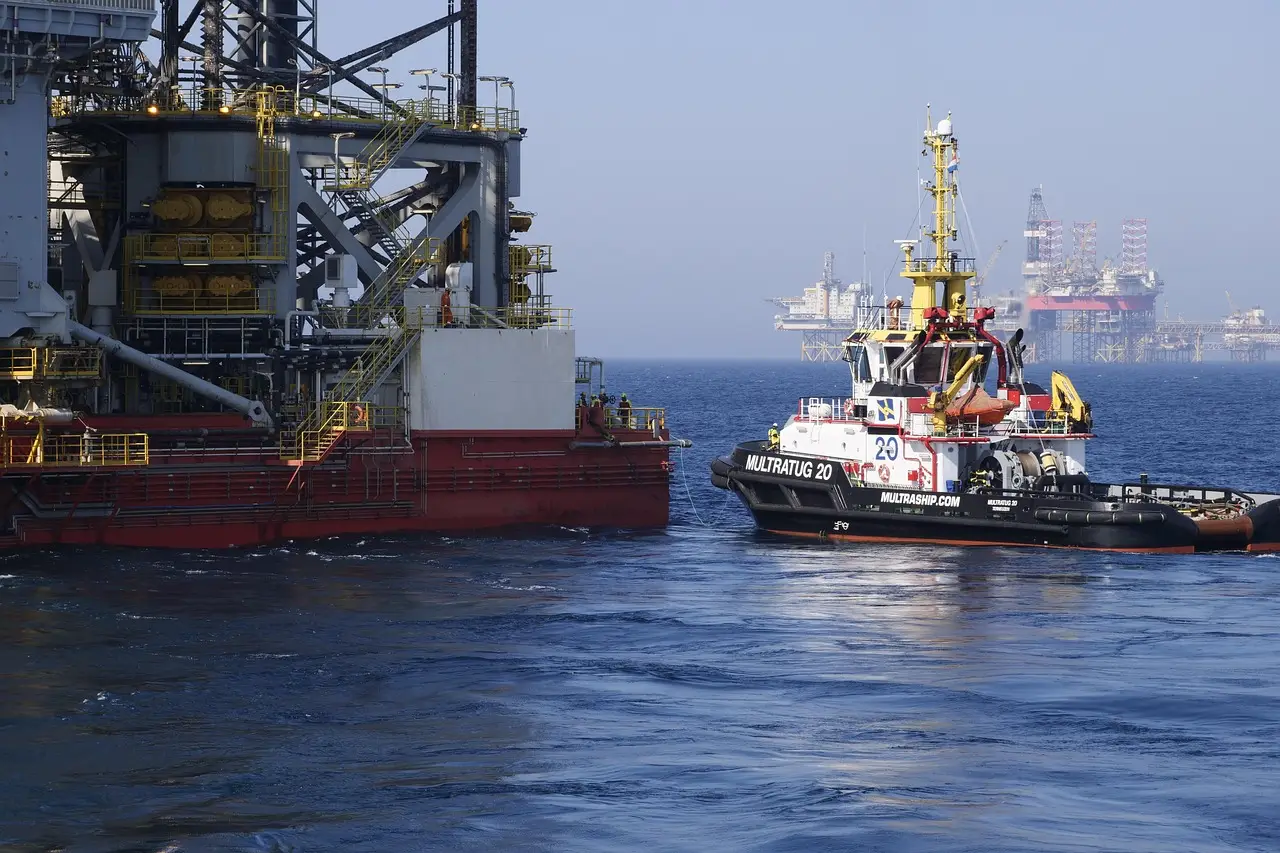
The Permanent Court of Arbitration in The Hague has excluded $12 billion of Kazakhstan's claims against the Kashagan consortium, Bloomberg reported on October 21. The court found the claims, covering costs allegedly incurred between 2011 and 2015, were filed after the statute of limitations expired. Another $8 billion in claims survives the ruling.
The decision landed on the same day Astana secured a $3 billion commitment from the International Finance Corporation. The two developments frame a difficult week for Kazakh energy policy: an investment win on infrastructure, a legal setback on the country's flagship offshore field.
What did the arbitration court decide?
The excluded $12 billion covers alleged costs from 2011-15. The court let stand $8 billion in separate claims. Kazakhstan is seeking compensation from a consortium dominated by Western majors, including ExxonMobil, Shell and TotalEnergies, over delays and cost overruns at Kashagan, the giant field offshore in the Caspian Sea near the city of Atyrau.
The dispute is far broader than one ruling. Kazakh officials are also pursuing separate claims exceeding $130 billion in lost revenue tied to production delays. ExxonMobil maintains further development of Kashagan cannot proceed until the arbitration cases are settled, a position that leaves the field's next phase hostage to The Hague.
The takeaway: Kazakhstan's legal position has narrowed, but the core multi-billion-dollar dispute continues.
Why is Kashagan so difficult to develop?
The field sits in shallow water with extreme seasonal weather, from high summer heat to frigid winters. The US Energy Information Agency (USEIA), in a background report, cited Kashagan's "adverse operating environment and complexity" and noted the field began pumping oil in 2016 after years of delays and "significant cost overruns."
The reservoir compounds the engineering challenge. "[Kashagan's] reservoir contains high levels of hydrogen sulfide, which is both highly toxic and highly corrosive and has been blamed for pipeline leaks," the USEIA report stated. "In addition, conventional drilling and production technologies such as fixed or floating platforms cannot be used because of the shallow water and cold climate. Instead, offshore facilities are installed on artificial islands (drilling and hub islands) that house drilling and processing equipment."
Kashagan holds upwards of 13 billion barrels of recoverable reserves, according to the USEIA. In plain words: one of the largest oil discoveries of the past half-century remains one of the hardest to produce.
What does the IFC money cover?
The IFC, the World Bank's private-sector arm, will participate in projects covering the 2026-31 period, the Kazakh State Agency for Strategic Planning and Reform announced October 21. The program focuses on public-private partnerships (PPPs, arrangements in which private capital finances and operates public infrastructure under long-term contracts).
The IFC will provide advisory services through Kazakhstan's Joint Economic Research Program. Projects will target transport infrastructure expansion and efficiencies in water resource management.
The agency statement emphasized the model's lifecycle benefits. PPPs "not only facilitate private investment but also enhance the quality of infrastructure design, construction, and operation throughout the entire lifecycle of the assets," the statement said.
The takeaway: $3 billion in advisory-backed private participation is modest against Kazakhstan's energy needs, but it signals continued international financial confidence.
How is Kazakhstan's production trending?
Poorly. Output for the first eight months of 2026 stood at 61.7 million tons, an 8.4 percent decline from the same period in 2025. Officials in August cut the 2026 annual production estimate to 96 million tons. The country pumped just under 100 million tons last year.
A major factor is war-related disruption to the Caspian Pipeline Consortium, Kazakhstan's main crude export route. The pipeline constraint caps what Kashagan and other fields can ship to market regardless of legal outcomes.
The takeaway: with volumes falling and export capacity constrained, the arbitration stakes keep rising for Astana.
What comes next?
The watch items are concrete. The Hague must still rule on the remaining $8 billion in claims and the separate $130 billion lost-revenue case. ExxonMobil's position ties future Kashagan development to those rulings. The 2026 production estimate of 96 million tons will test whether the CPC route stabilizes. Each decision moves billions in upstream value in the Caspian.
via bloomberg.com (Original)
More from Olivia Hart
Show full bio
Correspondent covering technology and product news in Oil and gas industry operations and markets at Rig & Refinery.
556 articles
Adjoining reports
- Venture Global loses another LNG arbitration case as Galp prevails
- Venture Global Loses Second LNG Arbitration, This Time to Galp
- Kazakhstan Plans Near 30 Million Tonne Refining Build by 2031
- Alaska LNG Investment Talk: Trump Claims Interest, Taiwan Stays Cautious
- Alaska LNG Lands $80 Billion Taiwan Deal, Trump Says