Well report No. RR-5135 · T13N · R16W · SEC 13 · filed November 4, 2026
Gas & LNGWell report
Asia LNG Benchmark Tops $31 as Gulf War, AI Demand Squeeze Supply
Asia's LNG benchmark has tripled since January, topping $31 per mmBtu, as the Gulf war removed Qatar from the market and AI-driven demand tightens global gas supply.
Field notes
- The Japan-Korea Marker topped $31 per mmBtu this month, briefly exceeding $33, versus about $9 in January.
- The IEA estimates the Gulf war cost 60 billion cu m of LNG supply in the eight months to October.
- Global LNG production is forecast to fall 3% this year — the steepest annual drop on record.
- Shell's LNG Outlook 2026 projects 65% demand growth between this year and 2050.
- QatarEnergy signed deals for 4 million t/y from Cheniere and 3 million t/y from Woodside.
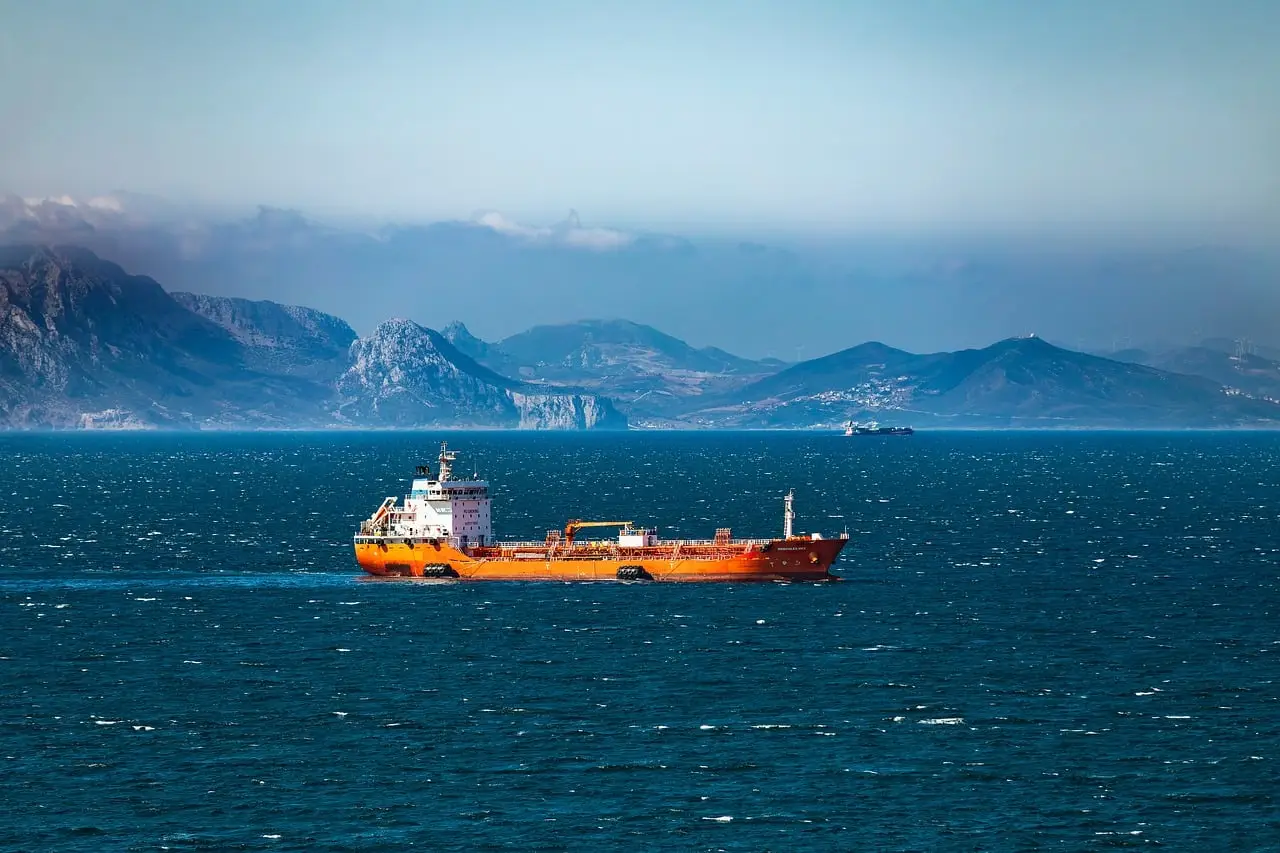
The Japan-Korea Marker, Asia's LNG benchmark, topped $31 per million British thermal units this month, briefly exceeding $33 per mmBtu — against a little over $9 per mmBtu in January. The tripling of Asian spot prices in ten months marks the sharpest repricing of seaborne gas since the energy crisis, and the International Energy Agency says the tightness will persist into next year.
The proximate cause is the war in the Persian Gulf between the United States and Israel, and Iran, which removed one of the world's top three LNG exporters from the market after QatarEnergy declared force majeure on its own exports. Asia and Europe are now locked in a race for a limited number of cargoes, and the United States is exporting record volumes to fill the gap.
How large is the supply loss?
The war cost the world some 60 billion cubic metres of LNG supply in the eight months to October, the IEA has estimated. Higher production in the United States and Africa filled as much as two-thirds of that gap. The remainder is unmet.
The agency expects global LNG production to decline by 3% this year, with the March-October period seeing a 6% drop. A 3% annual decline would be the steepest since records began, and it lands as demand expectations rise on the back of the data center construction boom, where Big Tech treats artificial intelligence as its primary growth engine. Wind, solar and batteries, operators quickly found, cannot reliably power data centers; natural gas is the quickest viable option.
Takeaway: the world lost two-thirds of Qatar's missing volumes to war, and the remaining third is enough to set a record supply contraction.
What does Shell forecast?
Shell, in its LNG Outlook 2026, expects global demand for liquefied gas to surge by 65% between this year and 2050, despite the disruption to Qatari exports. "The conflict created a system-wide shock with disruption cascading across all segments of the economy, but the LNG industry has proved resilient and able to adapt to changing market conditions," Shell's head of natural gas operations said at the time.
The adaptation has come mostly through production ramp-ups at existing facilities and plans for additional liquefaction capacity — capacity that just a year ago analysts flagged as potentially surplus, pointing to a major LNG supply glut. With Qatari gas still unavailable, nobody is talking about a glut anymore.
Europe has few alternatives to Qatari LNG and is absorbing record US volumes. Asia has coal, and is using it.
Takeaway: the glut narrative of 2024 has inverted; the industry is now racing to add capacity.
Why is QatarEnergy buying US LNG?
In recent weeks, Qatar's state energy company closed two long-term supply deals with US producers:
- 4 million tonnes per annum from Cheniere Energy
- 3 million tonnes per annum from Woodside Energy
According to Reuters, the deals make QatarEnergy the biggest foreign buyer of US liquefied gas. The company has expansion plans, and the force majeure on its domestic production is not standing in the way of securing volumes abroad — a signal of confidence in long-term LNG demand resilience.
Takeaway: the largest disrupted seller has become the largest foreign buyer of US cargoes.
Will high prices destroy demand?
Energy Intelligence recently suggested the war-related price surge could dampen LNG demand, in line with historical patterns for oil and other commodities. Counter-argument: energy commodity demand is relatively inelastic, so any dampening would be limited and temporary.
The IEA's data supports the inelasticity case. Over the first nine months of the year, global gas consumption fell just 1%, or 35 billion cubic metres — a decline far from proportional to the supply squeeze. The long-term outlook for gas, and for LNG specifically, remains optimistic. So does the outlook for coal, because coal is cheaper than gas, and Asia is switching to it where it can.
Takeaway: prices tripled, consumption fell 1% — demand held.
The watch items: the duration of the QatarEnergy force majeure, the trajectory of the Gulf conflict, and whether the IEA's warning that tightness extends well into 2027 holds.
via energyintel.com (Original)
More from Olivia Hart
Show full bio
Correspondent covering technology and product news in Oil and gas industry operations and markets at Rig & Refinery.
579 articles
Adjoining reports
- US LNG Export Capacity Set to Double to 37.4 Bcf/d by 2031
- Hormuz Disruption Adds $39 Billion to Global LNG Bill
- Qatar Extends LNG Force Majeure as Hormuz Disruptions Drag On
- EU Gas Storage at 70% as Morgan Stanley Lifts JKM Forecast to $27.50
- Hormuz Outage Puts 41.7 Bcm Burden on LNG Demand Through 2027