Well report No. RR-9026 · T22N · R18W · SEC 22 · filed October 12, 2026
Energy Transition in OilWell report
Australia Opens First Carbon Refinery Using Captured CO2
Australia has commissioned its first carbon refinery, a facility converting captured CO2 into commercial products, Reuters reported, giving emitters a new route to monetize capture.
Field notes
- Australia has opened its first carbon refinery, Reuters reported.
- The facility converts captured CO2 into new commercial products.
- It is the country's first plant of its kind, shifting captured carbon from waste stream to feedstock.
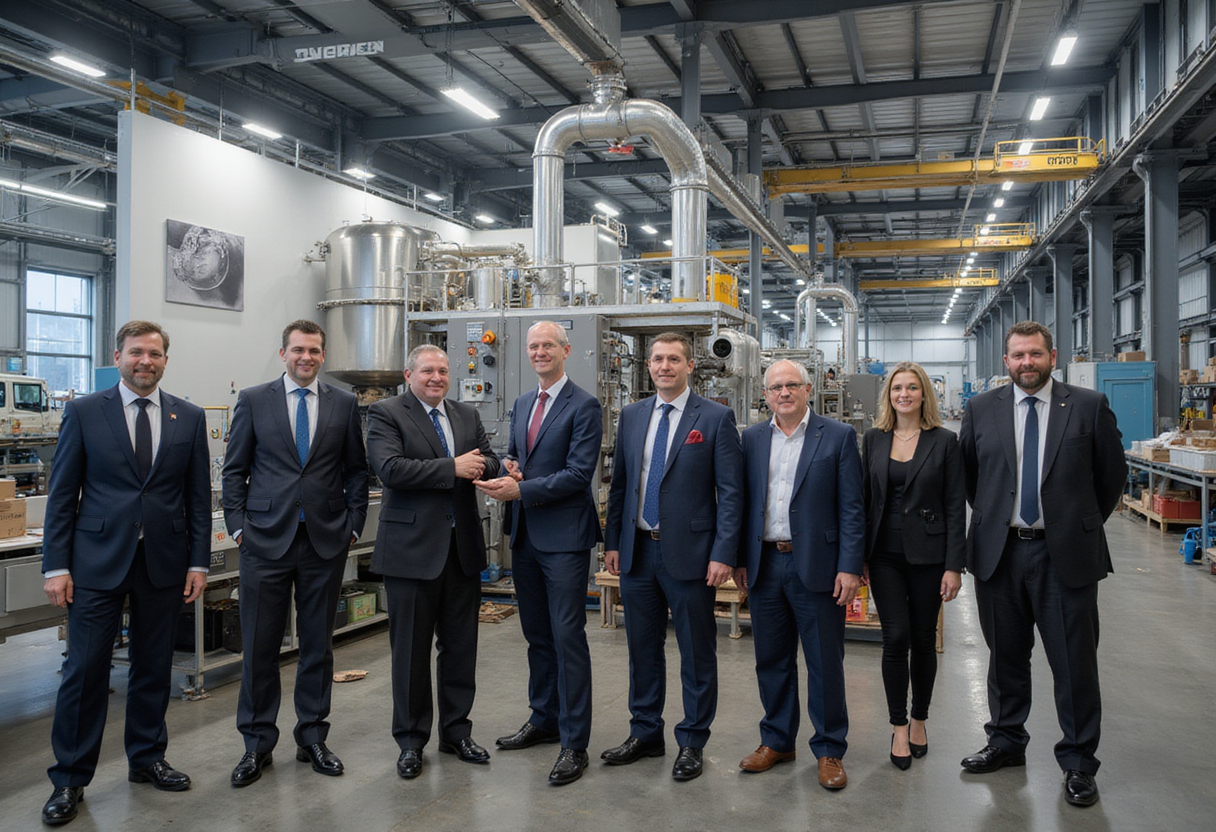
Australia has opened its first carbon refinery, a facility that takes captured carbon dioxide and converts it into new products rather than storing or venting the gas, Reuters reported.
The plant marks the country's first commercial-scale application of the "carbon refinery" concept, in which CO2 recovered from industrial emissions streams serves as feedstock for manufacturing rather than as a waste product.
What is a carbon refinery?
Conventional refineries take crude oil and split it into fuels and petrochemical feedstocks. A carbon refinery applies the same logic to CO2. Captured carbon dioxide enters the plant and leaves as saleable goods — an approach proponents position as an alternative to geologic sequestration, where the gas is injected underground and generates no revenue stream.
For Australia, a country whose export economy remains tied to LNG, coal and iron ore, the commissioning of the first such facility gives emitters a demonstration case for monetizing capture retrofits rather than simply absorbing compliance costs.
Why the first-mover milestone matters
Carbon capture in Australia has so far centred on storage-based projects and feasibility studies. A operating refinery that turns captured molecules into products shifts the discussion from abatement cost to product margin — the variable that will determine whether capture scales beyond subsidized pilots.
Reuters identifies the facility as the first of its kind in the country, making it a reference point for subsequent investment decisions in the basin-adjacent industrial clusters where CO2 point sources are concentrated.
The watch item
Industry observers will track two numbers from here: the tonnage of CO2 the refinery actually processes, and the unit economics of its output products against virgin-feedstock alternatives. Those figures, once disclosed, will show whether Australia's carbon-refinery model can replicate or remains a single demonstration asset.
via Google News: Refineries and petrochemicals (Source)
More from Priya Raman
Show full bio
Senior reporter covering media and advertising at Rig & Refinery.
409 articles
Adjoining reports
- Oil and Gas Sector Misses Out in Australia's Carbon Capture Funding Round
- Study Maps CO2 Emissions at China's Petrochemical Plants
- Australia's Refining U-Turn Faces Hurdles on Path to Restart
- EU ETS Loophole Lets CCUS Lift Oil Demand, Developers Tell WSJ
- Oil and Gas Producers Rank Among Leading CCUS Adopters