Well report No. RR-7715 · T3N · R17W · SEC 15 · filed October 12, 2026
Petroleum MarketsWell report
Baghdad Confirms Consultative OPEC+ Session on Market Stability
Iraq's Oil Ministry says a consultative OPEC+ session covered market stability and energy security. No quota changes or dates were announced. The market now waits for ministers.
Field notes
- Iraq's Oil Ministry confirmed a consultative OPEC+ meeting discussed global oil market stability and energy security
- The statement carried no production quota changes, price figures, or next-meeting dates
- Consultative OPEC+ sessions hold no decision-making authority; formal decisions rest with ministerial gatherings
By Daniel Okafor
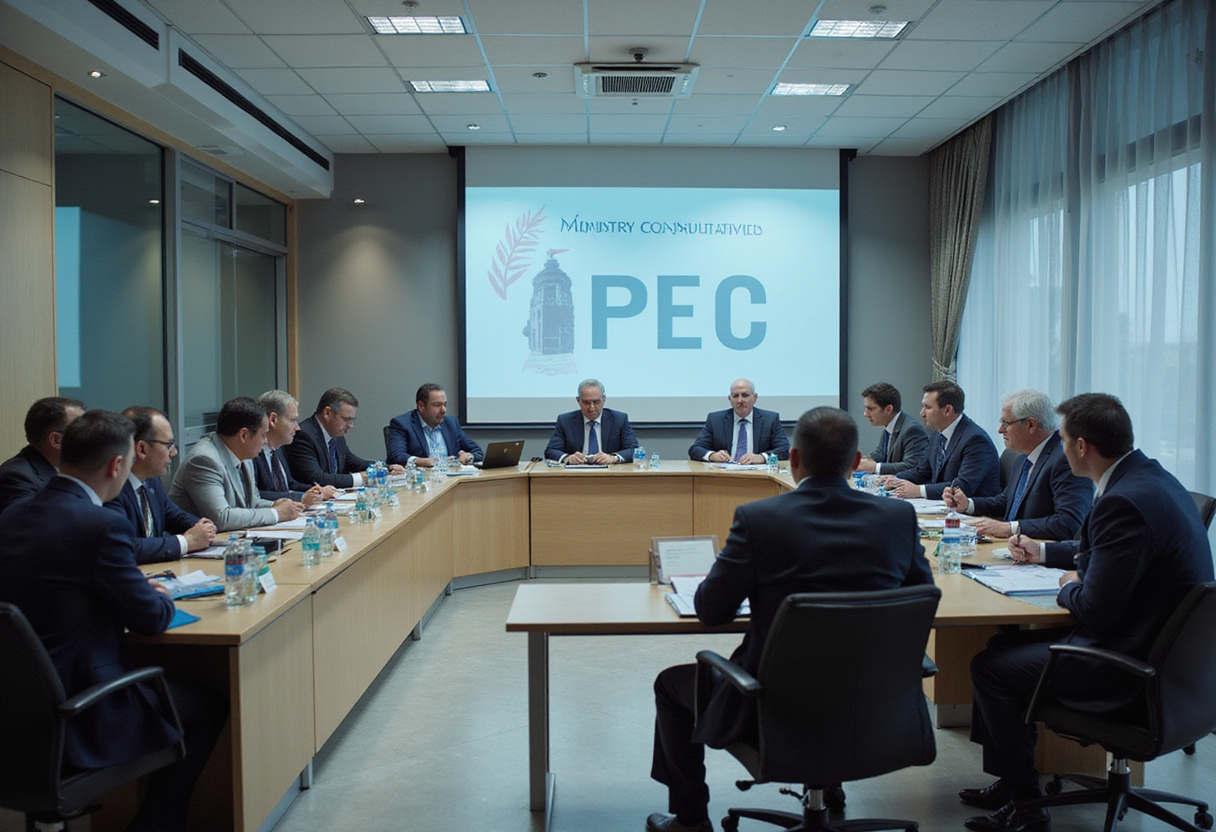
Iraq's Oil Ministry has confirmed that a consultative OPEC+ meeting addressed global oil market stability and energy security. The disclosure came through the Iraqi News Agency. No production quotas, dates of subsequent ministerial sessions, or output figures accompanied the statement.
That absence of numbers is itself the story. Consultative meetings of this kind carry no decision-making authority. They prepare ground. The formal decisions — quota adjustments, compliance reviews, voluntary cut extensions — belong to the ministerial and full OPEC+ gatherings that follow.
What did Baghdad actually say?
The Oil Ministry framed the session around two themes: market stability and energy security. That pairing has become the standard vocabulary of the group since 2020. Stability means balanced inventories and a price band tolerable to producers and consumers. Energy security, in this context, means reliable supply through chokepoints and refineries.
The statement did not report:
- Any change to production targets
- Attendance lists beyond the group itself
- A date for the next ministerial meeting
- Commentary on current crude prices
For Iraq, the subtext is production headroom. Baghdad has spent two years negotiating its quota position within OPEC+ while pressing to develop fields across the south. A consultative session that talks stability without announcing numbers changes nothing on that front. Iraq's barrels keep flowing at whatever ceiling the group has set.
Why do consultative meetings matter?
They rarely move markets on their own. Their value is signal. When the group's technical and ministerial deputies meet, traders read the agenda for what comes next: a deeper cut, an unwinding schedule, or a pause.
The stability-and-security framing suggests continuity rather than pivot. The group has spent the past cycle managing the return of voluntary barrels while contending with soft demand signals from major importers and rising non-OPEC supply, chiefly North American and Brazilian crude. A consultative session that repeats familiar language usually precedes familiar policy.
Here the caveat is plain. Price commentary belongs to analysts, not to the communique. Nothing in Baghdad's statement commits the group to any output path, and nothing in it should be read as a floor or a ceiling.
What should watchers track next?
The watch items are procedural. The next full OPEC+ ministerial is where the group settles quotas and schedules any adjustments to the voluntary cuts. Until that meeting convenes, this consultative session is groundwork, not news that moves a barrel.
For refiners and term lifters of Basrah crude, the practical question is simpler. Iraqi export programs and Basrah pricing formulas follow the official selling-price announcements from the state marketer, not the meeting calendar of the group's deputies.
The takeaway: Baghdad has told the market the deputies talked. The market will wait for the ministers to decide.
Watch the next ministerial agenda and the pricing official's monthly Basrah differentials. Those two documents, not this communique, will set the direction of supply from the Gulf.
via Google News: OPEC and oil markets (Source)
More from Daniel Okafor
Show full bio
Market editor covering companies, deals and strategy in Oil and gas industry operations and markets at Rig & Refinery.
370 articles
Adjoining reports
- Iraq Aims to Double Oil Output, Wants OPEC Quota Relief
- OPEC+ Set to Hold Output Targets Steady at Upcoming Meeting
- Iraq Piles Pressure on OPEC Over Quota Dispute After UAE Exit
- OPEC Heads Into November Meeting Poised to Hold Output Quotas Steady
- Iraq Threatens OPEC Exit Unless Crude Output Quota Raised