Well report No. RR-4305 · T5N · R31W · SEC 17 · filed October 30, 2026
Midstream & PipelinesWell report
Bahri Profit Jumps 10-Fold as Hormuz Disruption Lifts Rates
Bahri’s third-quarter net profit reached $1.36 billion, up tenfold from 2025, as the Strait of Hormuz tied up VLCCs and pushed tanker rates to records.
Field notes
- Bahri’s third-quarter net profit was $1.36 billion, 10 times the $137 million posted in the same 2025 period.
- Bahri’s net profit increased 85% from the second quarter.
- Bahri Oil revenue increased $3.2 billion year over year and $2.3 billion from the second quarter.
- Total revenue reached $3.9 billion, more than 500% above the prior-year quarter and more than double the second quarter’s $1.7 billion.
- Supertankers waited for weeks for Gulf of Oman transfers, tightening VLCC availability on routes including the U.S. Gulf Coast-to-Asia lane.
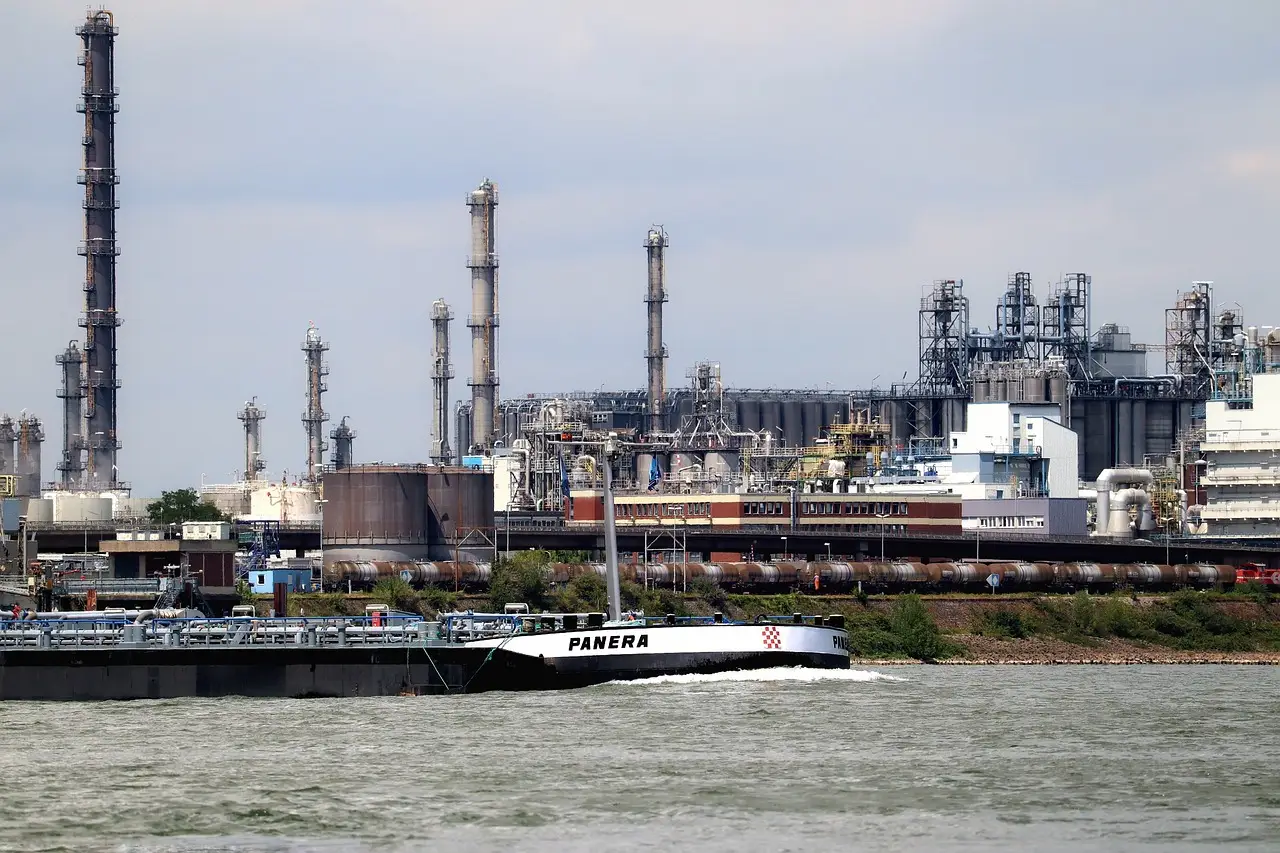
Bahri reported $1.36 billion (5.1 billion Saudi riyals) in third-quarter net profit, 10 times the $137 million (513 million riyals) it posted in the same period of 2025. The Saudi shipping company said Wednesday that its Bahri Oil business unit drove the gain.
Profit also rose 85% from the second quarter. Total revenue more than doubled to $3.9 billion (14.8 billion riyals) from $1.7 billion (6.3 billion riyals), and the year-on-year increase exceeded 500%.
What did the Hormuz disruption do to tanker markets?
The scene behind those numbers sits in the Gulf of Oman. Supertankers have waited for weeks outside the Strait of Hormuz to complete ship-to-ship oil transfers. Those transfers have tied up very large crude carriers that could otherwise serve other global oil routes.
Most of the increased oil flow from Hormuz has come through ship-to-ship transfers in the Gulf of Oman. As VLCCs wait, availability falls on lanes such as the U.S. Gulf Coast-to-Asia route. Crude shipping costs reached a record high last month as the Iran war reshuffled trade routes and kept more tankers on inefficient, lengthy voyages.
The delay reaches beyond the Gulf of Oman. A VLCC held for a transfer or a lengthened voyage remains unavailable to other cargo routes while the voyage or wait continues.
Bahri’s results show how the vessel shortage translated into earnings. Tanker rates hit record highs at the end of the third quarter, and tanker owners and operators booked windfall revenue and earnings. The effect travels from a chokepoint to vessel availability, then into freight rates and shipping-company revenue.
In short, the disruption has turned Hormuz into a global tanker-capacity problem, not only a regional oil-flow issue.
How much did Bahri earn?
Bahri’s tankers export most of Saudi Arabia’s crude oil, and revenue rose across all business units in the quarter. The key figures were:
- Net profit reached $1.36 billion (5.1 billion riyals), up 85% from the second quarter and tenfold from $137 million (513 million riyals) in the same 2025 period.
- Total revenue reached $3.9 billion (14.8 billion riyals), more than 500% above the prior-year quarter and more than double the second quarter’s $1.7 billion (6.3 billion riyals).
- Bahri Oil revenue increased $3.2 billion (12 billion riyals) from the prior-year quarter and $2.3 billion (8.6 billion riyals) from the second quarter.
Bahri Oil outpaced the rest of the company. The unit’s performance shows how a shipping bottleneck can feed directly into freight-sensitive revenue. Bahri said, “This was mainly driven by increased operational activities and higher global freight rates.”
The distinction matters because the revenue gain was companywide rather than confined to one segment. Even so, Bahri Oil supplied the clearest link between the disruption in Hormuz and the jump in earnings.
The operating bottleneck became a financial windfall, with Bahri Oil carrying the strongest contribution.
What should readers watch next?
The next variable is not only how much oil moves through Hormuz, but how long the tankers remain tied up in the Gulf of Oman. A prolonged bottleneck would keep VLCCs out of competing routes and sustain the freight-rate environment behind Bahri’s result.
If those vessels return to the U.S. Gulf Coast-to-Asia lane and other global routes, their availability would recover.
Bahri’s own explanation points to two moving parts: increased operational activity and higher global freight rates. The next earnings comparison will show whether both held against a changing routing and vessel-availability backdrop.
The next watch item is the duration of the Hormuz disruption: whether tied-up VLCCs return to other trade lanes or keep freight rates at records.
via saudiexchange.sa (Original)
More from Elena Vasquez
Show full bio
News editor covering technology and product news in Oil and gas industry operations and markets at Rig & Refinery.
555 articles
Adjoining reports
- Hormuz Tanker Threats Put Fresh Crisis Risk On Global Oil Market
- Brent Slips Below $100 as Saudi Hormuz Flows Rebound to 2.9 Million b/d
- Oil Rises as Iran Threat to Widen War Dims Hormuz Deal Hopes
- Saudi Arabia Plans 40% Pipeline Capacity Boost to Bypass Hormuz
- Saudi Crude Flows Shift Back to Hormuz After Pipeline Shutdown