Well report No. RR-4905 · T13N · R33W · SEC 1 · filed November 16, 2026
Gas & LNGWell report
Black Bayou breaks ground on 44.4 bcf Louisiana gas storage hub
Black Bayou Gas Storage began site work 11 November on a 44.4 bcf salt-dome storage hub in Cameron Parish, Louisiana, targeting late-2028 start-up with up to 2 bcf/d withdrawal capacity.
Field notes
- Site work started 11 November 2026 after FERC's 20 October limited notice to proceed.
- Phase one comprises four caverns with 44.4 bcf FERC-certified working gas capacity.
- Facility will connect to 13 interstate pipelines, injecting up to 1.6 bcf/d and withdrawing up to 2 bcf/d.
- Targeted in-service date is late 2028.
- Peak construction expected to support over 1,000 jobs; 23 direct and 35 indirect permanent roles.
- Project sits on a 2,500-acre site on the Black Bayou salt dome, fully controlled by the company.
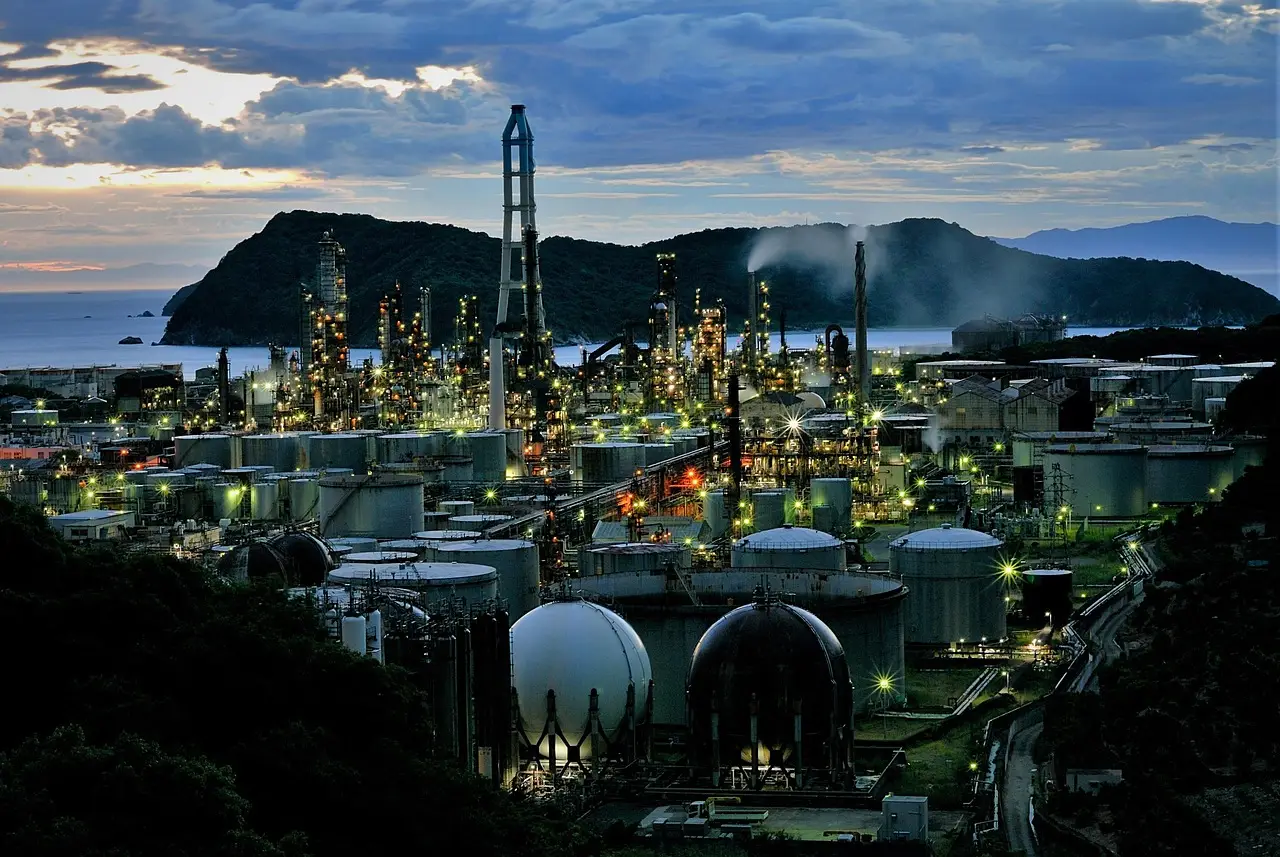
Site work began 11 November on a 44.4 billion cubic feet natural gas storage complex on the Black Bayou salt dome in Cameron Parish, Louisiana, following a limited notice to proceed from the Federal Energy Regulatory Commission issued 20 October 2026.
The project's owner, Black Bayou Gas Storage, controls the entire 2,500-acre dome surface — a detail that matters in a Gulf Coast storage market where competing cavern developers often share a single salt formation. Phase one calls for four solution-mined caverns delivering the FERC-certified 44.4 bcf of working gas capacity.
How big is the throughput?
The numbers that will draw customer attention sit in the connection design, not just the cavern count.
- A dual-header pipeline system linking the facility to 13 interstate pipelines
- Injection capability of up to 1.6 bcf/d
- Withdrawal capability of up to 2 bcf/d
That withdrawal rate would rank the hub among the higher-deliverability storage sites on the Gulf Coast, positioning it for peak-shaving and short-cycle balancing rather than slow seasonal service.
Who is it for?
According to the company, the facility aims to deliver storage, balancing, wheeling and blending services to a varied customer set: liquefied natural gas export terminals, local distribution companies, power generators, marketers and natural gas producers across the Gulf Coast region.
The LNG angle is the one to watch. Louisiana's export corridor around Calcasieu and Cameron parishes has drawn repeated warnings from analysts about storage and pipeline flexibility tightening as feedgas demand grows, though any margin benefit for the hub remains a market question rather than a company claim.
Black Bayou Energy Hub CEO Tad Lalande framed the milestone in direct terms.
"With our FERC approvals in hand, we have moved from planning to building," Lalande said. "Construction is now underway in Cameron Parish, and we expect our first caverns in service in 2028."
He added: "Black Bayou controls the entire dome, we hold our FERC certificate, and we are now building the Gulf Coast storage capacity our customers have been asking for. It's an exciting time for us."
What approvals does the project hold?
The regulatory foundation is in place. Black Bayou Gas Storage holds a Certificate of Public Convenience and Necessity from FERC for operations at the site — the certificate that authorizes construction and eventual commercial service — and the 20 October limited notice to proceed converted planning into physical work.
Parent company Black Bayou Energy Hub, headquartered in Lafayette, Louisiana, is developing natural gas storage and associated infrastructure on the Black Bayou salt dome, which straddles both Cameron and Calcasieu parishes.
The company has set a targeted in-service date of late 2028 for the first caverns.
What does it mean for local employment?
The construction phase, not operations, carries the near-term economic weight. The company estimates over 1,000 construction roles at peak development, against 23 direct jobs and 35 indirect jobs across Louisiana once the facility runs.
That ratio is typical for salt-cavern storage: heavy leaching and surface-facility labour up front, lean staffing afterward.
What happens next?
Watch the leaching schedule. Cavern creation on salt domes runs on multi-year brine-mining timelines, so the gap between groundbreaking and the late-2028 in-service target leaves limited room for weather or disposal-permit delays along the Gulf Coast.
The watch item is first-cavern readiness in 2028 — and whether Gulf Coast LNG feedgas demand keeps the hub's 2 bcf/d withdrawal capacity fully subscribed.
via Offshore Technology (Source)
More from Elena Vasquez
Show full bio
News editor covering technology and product news in Oil and gas industry operations and markets at Rig & Refinery.
599 articles
Adjoining reports
- Louisiana LNG project labeled US's most polluting by Grist
- Trump greenlights offshore Louisiana LNG export hub; project risks flagged
- EIA Reports 61 Bcf Net Injection; Storage Reaches 3,862 Bcf
- Gulf Coast Gas Storage Buildout Hinges on LNG Demand, RBN Says
- Sempra's $1B Louisiana Connector Enters Service to Back Port Arthur LNG