Well report No. RR-6096 · T14N · R28W · SEC 2 · filed October 30, 2026
OffshoreWell report
bp Pays Louisiana $350 Million Early to Close Deepwater Horizon Suits
bp will pay Louisiana about $350 million upfront, replacing $373 million in instalments due through 2031 and resolving parish coastal lawsuits from the 2010 spill.
Field notes
- bp pays Louisiana approximately $350 million early, replacing $373 million in instalments due through 2031 under the 2015 settlement.
- The deal resolves remaining parish coastal zone lawsuits tied to the 20 April 2010 Deepwater Horizon spill, which killed 11 workers.
- The payment sits within bp's 2015 settlement of up to $18.7 billion, including $4.9 billion for five Gulf Coast states.
- bp reported $590 million in Louisiana vendor spending and over $280 million in royalties and taxes in 2025.
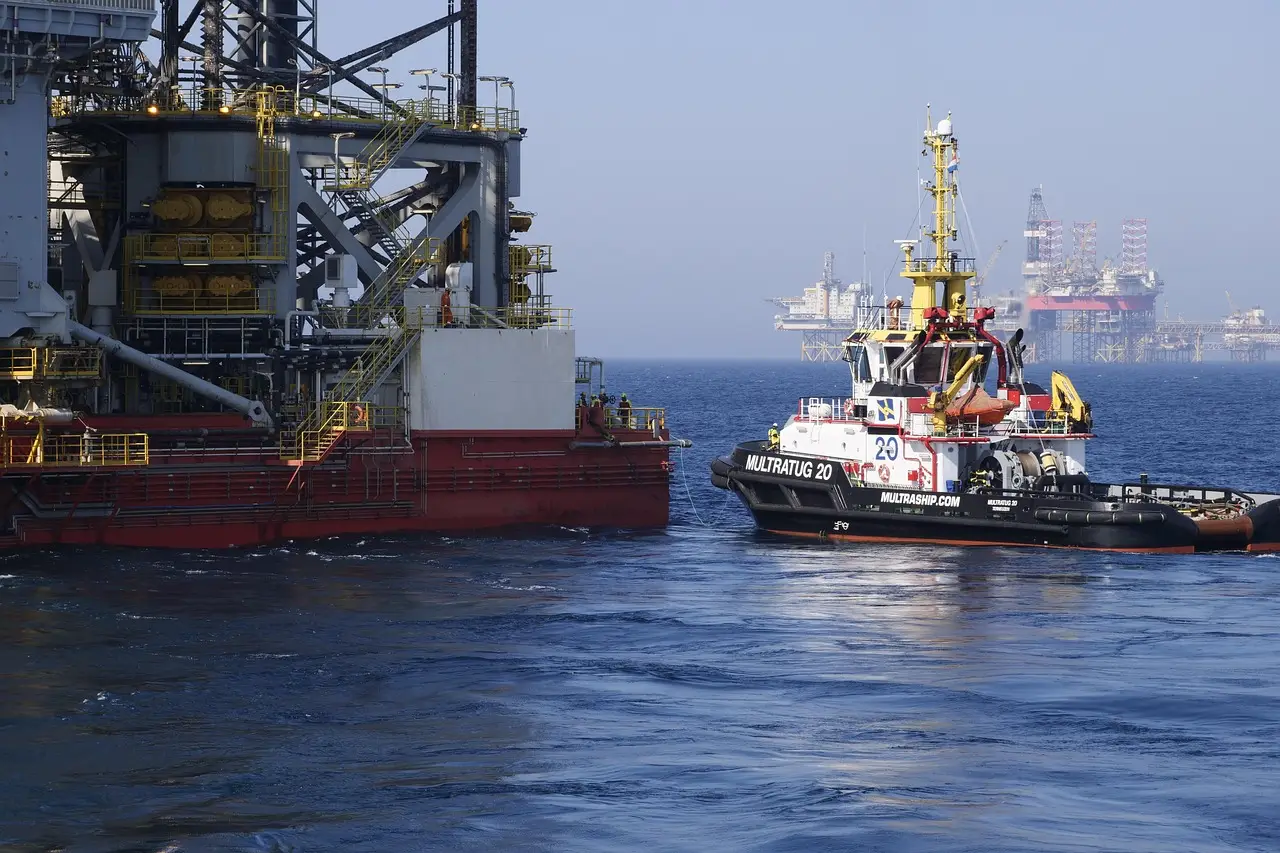
bp will pay Louisiana approximately $350 million upfront, settling the remaining coastal zone lawsuits tied to the 2010 Deepwater Horizon spill and accelerating instalments the company owed the state until 2031. Governor Jeff Landry, Attorney General Liz Murrill and bp CEO Meg O'Neill signed the agreement.
The payment structure is straightforward. Under the 2015 Deepwater Horizon Economic Damages Settlement, bp was scheduled to pay Louisiana $373 million in equal instalments, without interest, over seven years. The new arrangement delivers slightly less money — roughly $23 million less — but delivers it now. Louisiana trades a small discount for immediate liquidity and an end to litigation that has run for fifteen years.
The deal also resolves coastal zone lawsuits brought by Louisiana parishes against bp over the spill, closing a set of disputes that have persisted since the Macondo blowout on 20 April 2010, which killed 11 men and caused the largest marine oil spill in drilling history.
What does each side get?
Landry framed the settlement as part of a broader cleanup of the state's legal climate for an industry that ranks among its largest employers. He said: "I want to thank bp for coming to the table. Unresolved issues, like these, hold Louisiana back. As Governor I have worked to responsibly and ethically, clean up the litigation environment that has impacted one of our largest employers – the oil and gas industry. This is just another step in fulfilling my promise."
O'Neill addressed the human cost directly. She said: "We will never forget the 11 men who lost their lives, or the impact on their families, communities and the environment across the Gulf Coast. Deepwater Horizon was a tragedy that forever changed bp, and the lessons we learned continue to guide how we operate today."
She added that the agreement "accelerates the delivery of our commitments and provides the state with access to these funds now," and credited Landry and Murrill for their leadership. Both parties described the resolution as a reset of their relationship, freeing each side to focus on future priorities rather than legacy dockets.
How does this fit the wider settlement?
The Louisiana payment sits inside a much larger structure. In 2015, bp agreed to a settlement of up to $18.7 billion covering federal, state and local government claims from the accident. Of that figure, $4.9 billion is designated for economic and other claims by five Gulf Coast states. The Louisiana agreement represents more than 20 percent of the remaining payments under that state-claims tranche.
The Deepwater Horizon legal ledger does not end there. Separate proceedings produced a $5.5 billion Clean Water Act penalty and up to $8.8 billion for natural resource damages. Add the state settlement, and the disaster's government-facing costs alone approach the $18.7 billion cap — before private litigation, which ran to billions more.
Why Louisiana matters to bp now
The commercial logic of a clean slate is easy to read. bp reported $590 million in vendor spending in Louisiana in 2025, plus more than $280 million in royalties and tax payments to the state. Per year, that is close to $900 million flowing between the company and Louisiana's treasury and supply chain. The company is also a major producer and investor in the Gulf of America, and its bpx energy arm holds interests in the Haynesville shale region, which straddles the Louisiana border.
A company fighting the parishes in court while spending nearly a billion dollars a year in the same state had a coherence problem. That problem is now resolved.
What comes next
The watch item is execution: the disbursement of the $350 million and formal dismissal of the parish coastal claims. With the instalment schedule through 2031 cancelled, both sides can book certainty. For a spill that began with a rig explosion in April 2010, the paper trail is finally nearing its end — one payout at a time.
via Offshore Technology (Source)
More from Daniel Okafor
Show full bio
Market editor covering companies, deals and strategy in Oil and gas industry operations and markets at Rig & Refinery.
539 articles
Adjoining reports
- Fifth Circuit Clears Delfin LNG Deepwater Port License Challenge
- Trump administration to rejoin federal agencies split after 2010 Gulf spill
- Fifth Circuit lets Delfin LNG license stand on standing grounds
- Tribe Takes Dakota Access Pipeline Risk Fight to Court
- Mississippi LNG: A State Without an Export Terminal