Well report No. RR-2460 · T24N · R30W · SEC 12 · filed November 13, 2026
OffshoreWell report
BP Weighs Bumerangue Stake Sale to Petrobras as CO2 Questions Loom
BP is in preliminary talks to sell a stake in its 8-billion-barrel Bumerangue find to Petrobras, with reservoir CO2 content and appraisal results through H1 2027 the key variables.
Field notes
- BP holds 100% of the Bumerangue block in Brazil's Santos Basin, with an estimated 8 billion barrels of liquids in place.
- The discovery, made in 2025, is BP's largest oil and gas find in 25 years.
- BP's three-well appraisal program is scheduled to finish by end of H1 2027.
- Petrobras plans capacity increases at six production platforms that could add up to 260,000 bpd.
- No stake size or valuation has been disclosed; talks are preliminary.
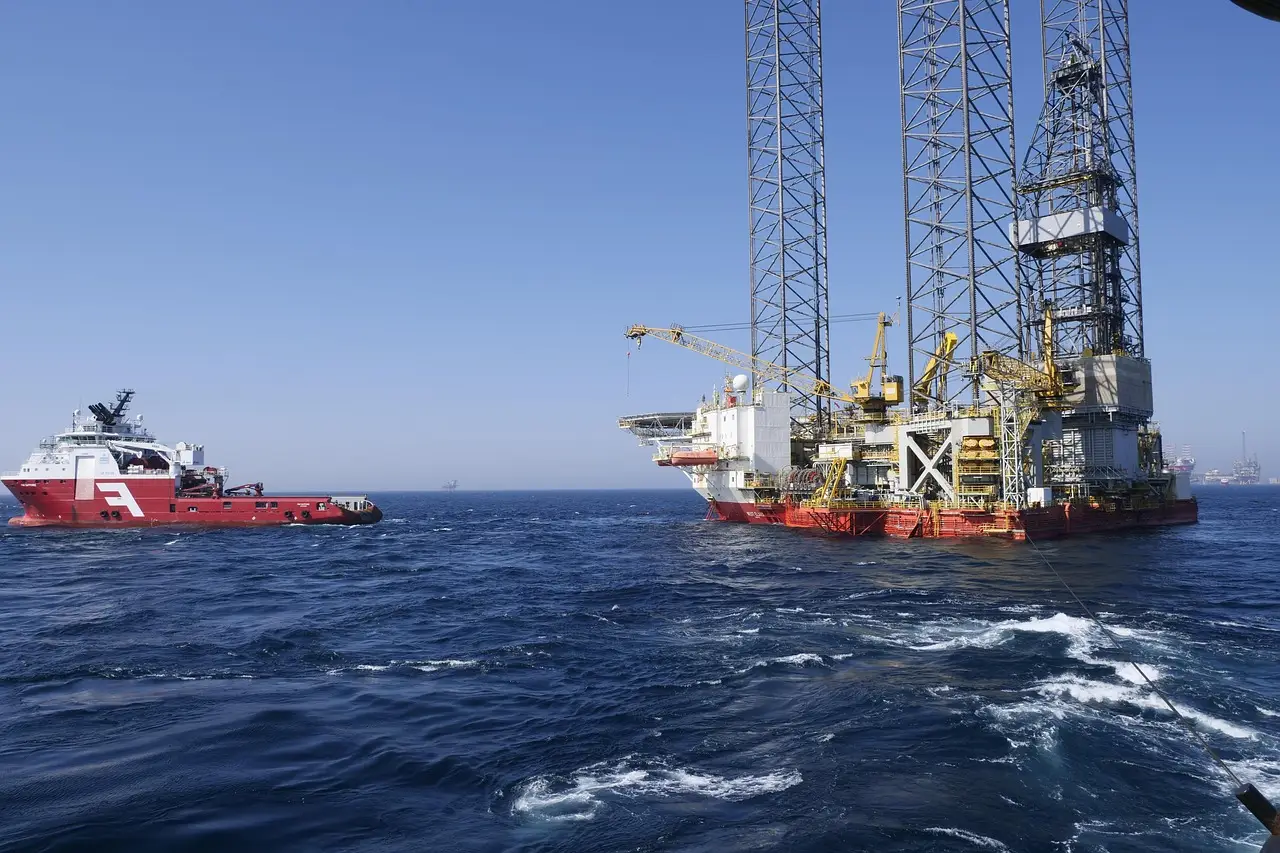
An estimated 8 billion barrels of liquids in place sit at the center of preliminary talks between BP and Petrobras over a stake in the Bumerangue discovery, according to people familiar with the negotiations. BP owns 100% of the block in Brazil's offshore Santos Basin and has described the 2025 find as its largest oil and gas discovery in 25 years.
That 8-billion-barrel figure is resources in place, not commercially recoverable reserves — a distinction that matters for anyone pricing a deal. Recoverable volumes remain subject to appraisal and development studies, and neither company has disclosed a proposed stake size or valuation. There is no guarantee an agreement will be reached.
What is on the table?
BP signaled early that it wants a development partner in place before any final investment decision, a structure that shares exploration, appraisal and future development costs. For BP, a partner would reduce capital exposure while preserving a position in a potentially significant long-life production asset.
Petrobras, for its part, is evaluating the proposal, but reports indicate the acquisition is not currently a priority. The state-controlled producer is balancing production growth, shareholder distributions and its own spending commitments. An investment in Bumerangue would add resources while adding future capital calls.
The takeaway: BP wants cost-sharing before FID; Petrobras has optionality, not urgency.
Why carbon dioxide is the sticking point
Bumerangue's elevated CO2 concentration is a central issue in the negotiations. High CO2 content increases processing requirements, development cost and technical complexity, all of which feed directly into project economics.
BP maintains the reservoir's CO2 content is manageable and expects to complete a three-well appraisal program by the end of the first half of 2027. That schedule gives both sides a technical runway before any development decision.
Petrobras brings deep experience with complex Brazilian pre-salt reservoirs, though the company is still evaluating technology for its own high-CO2 Jupiter discovery in the same basin. How those solutions perform technically and economically could shape Petrobras's appetite for taking on more CO2-rich resource.
The takeaway: the CO2 question is a cost question, and neither side has answered it yet.
Petrobras is already growing output elsewhere
Any Bumerangue decision lands on a company already pushing production higher. Petrobras recently outlined plans to raise capacity at six additional production platforms, potentially adding as much as 260,000 bpd, following earlier work to lift output from existing facilities.
That context cuts both ways. Petrobras does not need Bumerangue to grow, but the Santos Basin is where its capabilities are strongest, and the discovery has reinforced Brazil's standing as a growth market for international oil companies seeking long-life offshore resources.
What practitioners should watch
For operators and investors tracking this one, the signposts are:
- The eventual transaction valuation, if a deal is reached at all
- Recoverable resource estimates from the three-well appraisal program, due by end-H1 2027
- CO2 management costs, which will make or break the project's economics
- The timing of any final investment decision, which BP has tied to securing a partner
The broader signal is straightforward: deepwater developments of this scale increasingly move forward through partnerships that spread capital risk, and Brazil remains the venue where that model is being tested hardest.
Until the appraisal wells answer the recoverability and CO2 questions, the 8-billion-barrel headline stays exactly that — a headline.
via oilandgas360.com (Source)
More from James Calloway
Show full bio
Staff writer covering people, launches and day-to-day practice in Oil and gas industry operations and markets at Rig & Refinery.
615 articles
Adjoining reports
- BP and Petrobras Discuss Stake in Brazil's Bumerangue Oil Block
- BPCL Prepares $3-Billion Bond for Brazil Offshore Stake
- Petrobras Signs SBM Offshore for Two FPSOs Backing $12 Billion Sergipe Push
- Shell Buys 30% of Equinor's Bay du Nord Offshore Newfoundland
- Chevron Phillips Chemical and Qatar Petroleum to Build New US Petrochemical Plant