Well report No. RR-9546 · T8N · R15W · SEC 32 · filed October 10, 2026
Petroleum MarketsWell report
Brent and WTI Jump as Houthi Attacks Fuel US-Iran Escalation Fears
Crude futures jumped as Houthi attacks on Red Sea shipping and fears of a US-Iran escalation drove a geopolitical risk repricing across oil markets, per WSJ reporting.
Field notes
- Oil prices jumped in the latest session on Houthi attacks and US-Iran escalation fears, WSJ reported
- Houthi strikes target Red Sea shipping lanes feeding Suez and European refining centers
- Strait of Hormuz transit carries roughly a fifth of global oil supply
- Market move reflects risk premia, with no confirmed production outage to date
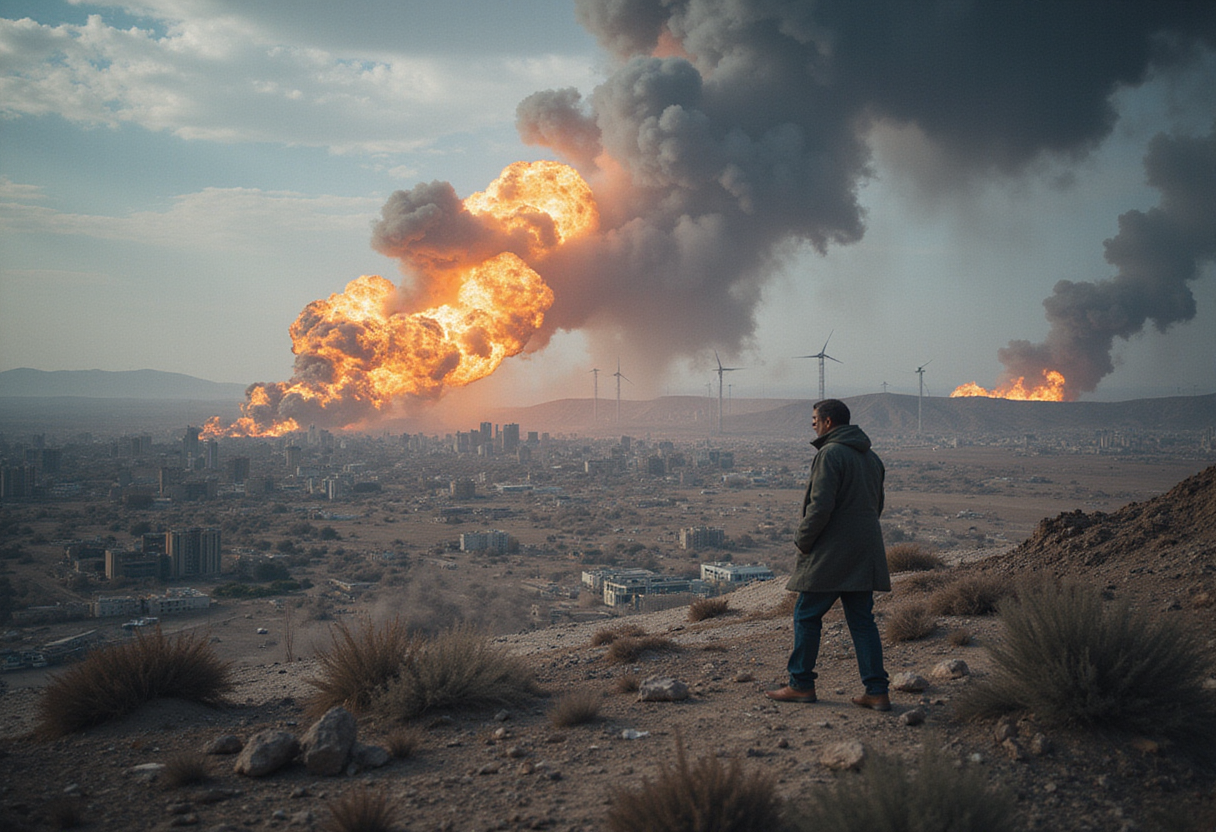
Oil prices jumped in the latest session as Houthi attacks on shipping and fears of a US-Iran escalation drove buyers back into crude futures, the Wall Street Journal reported. The move marks a sharp repricing of geopolitical risk across a market that had been trading largely on fundamentals.
The rally follows renewed Houthi strikes in the Red Sea corridor, the chokepoint that carries a substantial share of seaborne crude and refined product flows toward the Suez Canal and European refining centers. Each attack raises effective freight costs and insurance premia for charterers moving cargoes through the Bab el-Mandeb strait, a burden refiners in northwest Europe and the Mediterranean feel first.
Why does the market now fear a US-Iran escalation?
The second leg of the price move comes from Washington-Tehran tensions. Iran sits on some of the world's largest proven reserves and exports crude that, sanctions notwithstanding, still clears into Asian refining markets. Any direct confrontation between the US and Iran threatens:
- Disruption to loading operations at Kharg Island and other Gulf export terminals
- Potential interference with traffic through the Strait of Hormuz, the transit point for roughly a fifth of global oil supply
- Retaliatory strikes on regional energy infrastructure, as seen in prior cycles of escalation
Traders treat these scenarios as tail risks, but the option market and prompt time spreads show they now carry real probability weight. The Wall Street Journal's reporting frames the session gain as a direct response to both the Houthi attacks and the escalation fears, not to any inventory or production data release.
What does the rally change for refiners and upstream?
For refiners, higher crude input costs arrive at a delicate moment. Margins in Atlantic Basin refining had been supported by product tightness; a sustained crude rally compresses those cracks unless product prices follow. Refiners with flexibility to run alternative grades will monitor whether risk premia concentrate in Gulf-origin barrels.
For upstream operators, the price signal strengthens the case for sanctioning marginal projects — but no operator bases an FID on a geopolitical spike. Boards will watch whether the rally holds beyond the news cycle. Hedge desks, by contrast, move immediately: producers with unhedged 2025-26 output have a window to lock in forward sales at improved levels.
Whose analysis is this?
Attribution matters here. The price jump itself is a market fact; the framing of the drivers comes from the Wall Street Journal's coverage. Analysts cited across trade desks attribute the gain to supply-risk premia rather than any physical outage — no loading terminal has been confirmed offline, and OPEC+ spare capacity remains available to offset a moderate disruption.
That distinction separates this rally from 2019-style events, when physical infrastructure was struck and knockouts were measurable in barrels per day. So far, the market is pricing fear, not lost production.
What is the watch item?
The variables that decide whether this move extends or fades:
- Whether Houthi attacks shift from commercial shipping to energy-linked targets
- Any US or Iranian military response that puts Gulf loading infrastructure at risk
- OPEC+ communications, given the group's spare capacity is the market's effective shock absorber
- Whether freight and insurance premia through the Red Sea force sustained rerouting around the Cape of Good Hope
Until a physical barrel is lost, this remains a risk-premium story. The next session's settlement, and any Pentagon or Tehran statement in the interim, will tell traders whether the fear trade has legs or fades with the headline cycle.
via Google News: Pipelines and midstream (Source)
More from Olivia Hart
Adjoining reports
- Oil Rises as Iran Threat to Widen War Dims Hormuz Deal Hopes
- Oil Climbs as Iran Holds Firm on Strait of Hormuz Demands
- Hormuz Tanker Threats Put Fresh Crisis Risk On Global Oil Market
- Iran Threatens Regional Energy Infrastructure as Hormuz Standoff Persists
- Oil Market on Alert as Iran Conflict Intensifies