Well report No. RR-2267 · T1N · R42W · SEC 25 · filed October 13, 2026
Petroleum MarketsWell report
Brent Near $107 After Two-Day Climb as US-Iran Talks Stall
Brent crude neared $107/bbl for a second day of gains as stalled US-Iran nuclear talks outweighed the restart of a Saudi pipeline, NDTV Profit reported May 12.
Field notes
- Brent crude neared $107 a barrel on May 12, 2022, per NDTV Profit
- Oil prices rose for a second consecutive day
- US-Iran nuclear negotiations have stalled, keeping sanctioned Iranian barrels off the market
- The restart of a Saudi pipeline failed to offset the diplomatic deadlock
- No deal in Vienna removes a key source of potential new supply for refiners
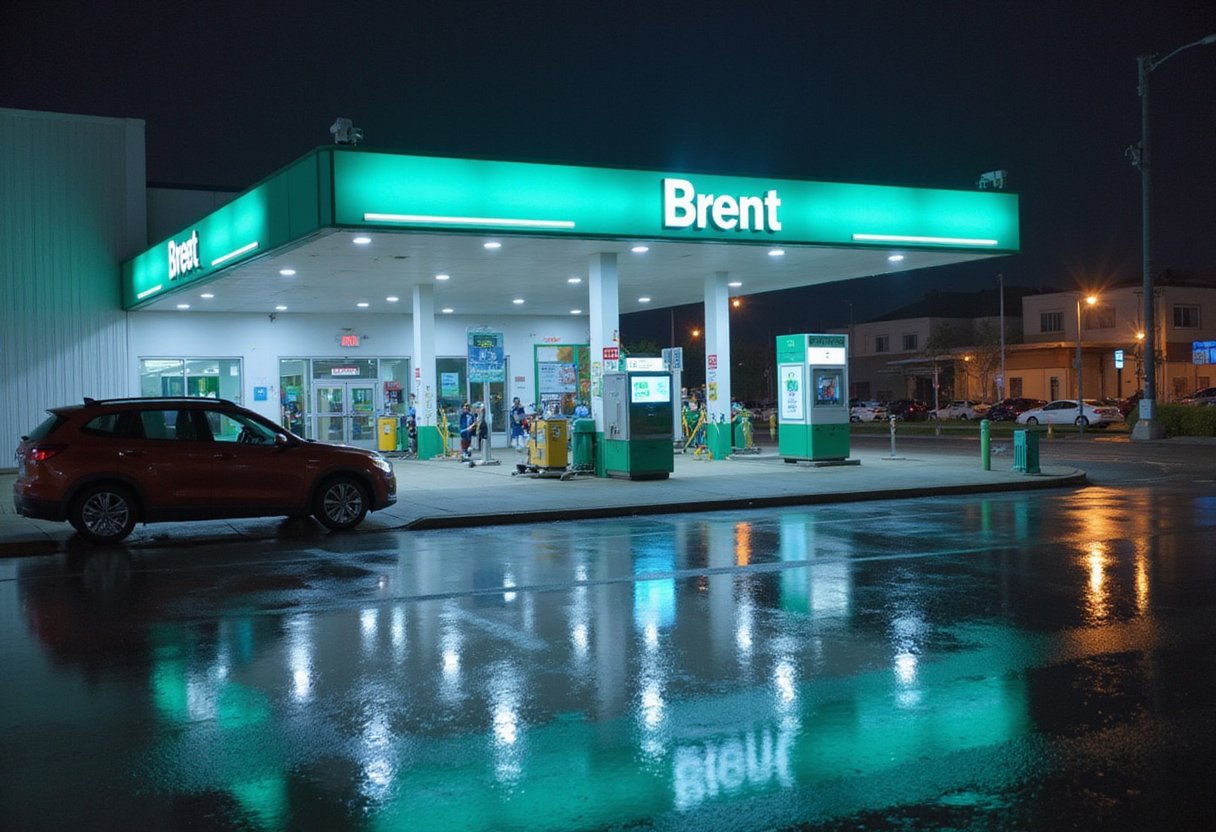
Brent crude traded near $107 a barrel on May 12, 2022, marking a second straight day of gains as stalled nuclear negotiations between Washington and Tehran outweighed the restart of a key Saudi pipeline, according to NDTV Profit's market report.
The number tells the story plainly: buyers pushed the global benchmark back toward the triple-digit territory it has held for much of the year, and diplomacy — not supply — did the pushing.
Why did talks in Vienna matter to the barrel?
US-Iran negotiations had been the market's best shot at adding sanctioned barrels back into the Atlantic Basin supply stack. A deal would have opened the door to Iranian crude exports returning to Asian and European refiners, easing a deficit that has kept Brent elevated since Russia's invasion of Ukraine in February 2022.
Those talks have stalled. With no agreement in sight, the several million barrels a day of Iranian output that could re-enter the market stays off the table, and traders priced that disappointment directly into the second consecutive session of gains.
The takeaway: every week without a signed accord is a week refiners keep bidding for the barrels that are actually on the water.
What about the Saudi pipeline restart?
Normally, restored throughput on a Saudi pipeline would cool prices. This time it didn't.
The restart — a signal that Gulf supply capacity is coming back online — was absorbed by a market far more worried about the diplomatic deadlock than comforted by incremental volumes. Traders treated the Saudi news as a footnote and the Iran news as the headline.
That asymmetry is the real story. Supply is returning at the edges, but not fast enough or at a scale large enough to change the balance while sanctions remain locked in place.
In plain terms: the market shrugged at more oil and flinched at less diplomacy.
Where does this leave the trade?
Price commentary here is analysis, not fact — and the analysts' read, as relayed by NDTV Profit, is that Brent's approach to $107 reflects geopolitical risk premium more than physical scarcity. The war in Ukraine continues to keep Russian barrels under a cloud of self-sanctioning and formal embargo talk, and the loss of a near-term Iranian supply option compounds that squeeze.
For downstream readers, the picture is straightforward. Refiners buying crude at these levels face compressed margins unless product cracks keep pace, and any headline out of Vienna — in either direction — will move their feedstock costs faster than any OPEC+ quota decision.
For upstream readers, the incentive math is equally direct. Sustained Brent near $107 keeps US shale drilling economics firmly in the black and supports sanctioning decisions on marginal offshore projects that needed $70-plus to clear hurdle rates.
The watch item
The single variable to track is the US-Iran negotiating channel. A resumed round of talks that shows progress sends Brent back down as traders re-price returning Iranian barrels; a formal collapse of the process removes that supply hope entirely and could push the benchmark through $107 on its way to testing earlier 2022 highs.
Until one of those happens, the market has told us what it cares about: the barrel is trading on Tehran, not Riyadh.
(Reported by Elena Vasquez; price moves and market read per NDTV Profit.)
via Google News: Pipelines and midstream (Source)
More from Elena Vasquez
Show full bio
News editor covering technology and product news in Oil and gas industry operations and markets at Rig & Refinery.
421 articles
Adjoining reports
- Oil Swings as Traders Weigh Saudi Pipeline Restart, US-Iran Talks
- Oil Climbs as U.S.-Iran Talks Stall, Offsetting Saudi Pipeline Restart
- Brent Climbs Past $102 as Rubio Reports No Breakthrough in Iran Talks
- Crude Extends Losing Streak to Sixth Session on Iran Talks, Saudi Pipeline Return
- Oil Prices Climb as US-Iran Uncertainty Outweighs Saudi Pipeline Restart