Well report · filed November 20, 2026
Refining & PetrochemicalsWell report
Cal/OSHA Hits Marathon's Martinez Renewables With 10 Violations
Cal/OSHA cited Marathon's Martinez Renewables plant for 10 violations, including untrained replacement operators and equipment reading above 550°F, as a six-month lockout of USW Local 5 drags on.
Field notes
- Cal/OSHA cited Marathon's Martinez Renewables for 10 violations, three classified as serious, following inspections from April to October.
- At least 12 employees, including two shift supervisors and 10 operators, were found working without required process training.
- Inspectors found uninsulated equipment averaging above 550°F, against California's 140°F insulation threshold.
- A CSB final report in March 2025 blamed inadequate training and procedures for the Nov. 19, 2022 furnace explosion that burned Jerome Serrano.
- Negotiations with USW Local 5, locked out since June, are set to resume Dec. 1 with a federal mediator.
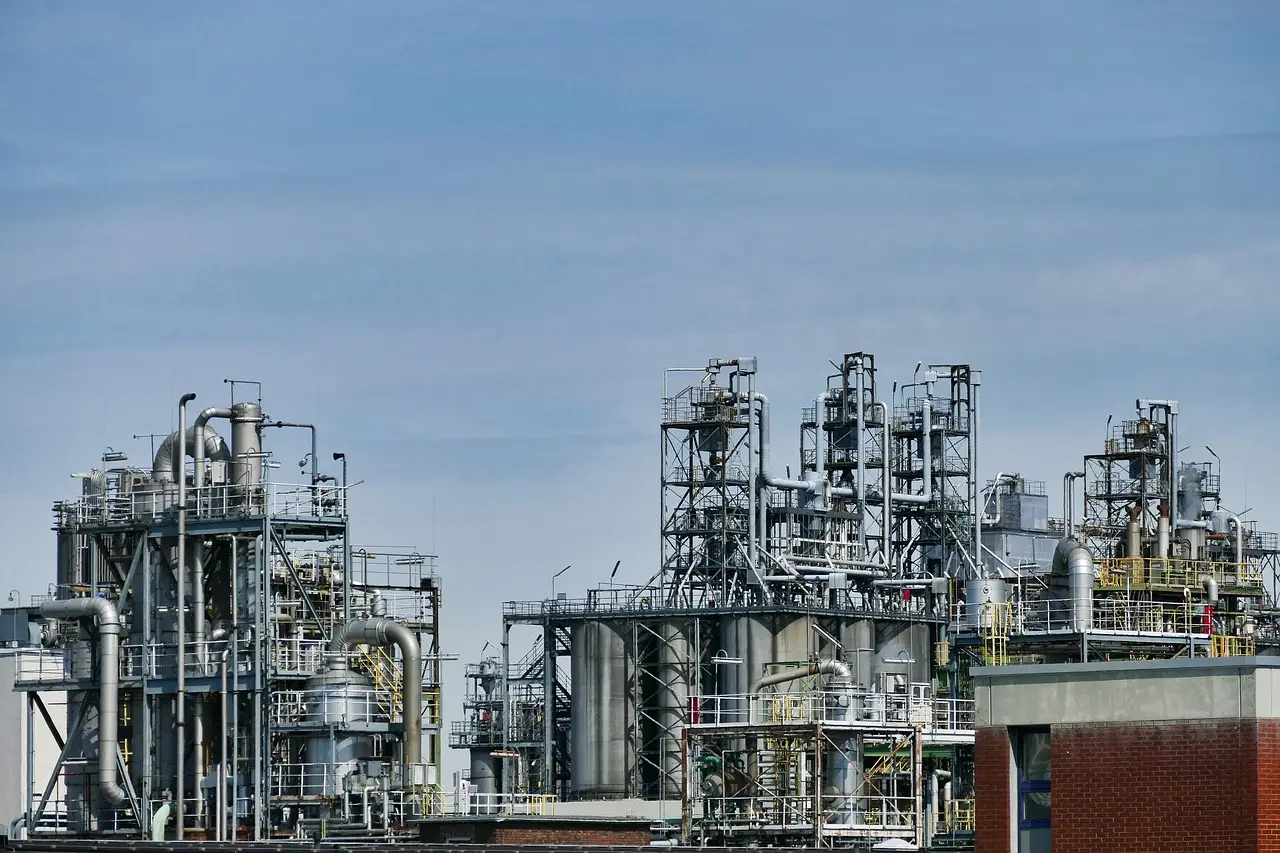
Cal/OSHA has cited Marathon's Martinez Renewables facility northeast of San Francisco for 10 safety violations, three of them classified as serious, after inspectors confirmed that replacement operators running the plant during a labor lockout were never properly trained. The citations, issued last month and now under appeal, stem from inspections conducted between April and October at the renewable fuels plant where United Steelworkers Local 5 members have been locked out since June.
What did inspectors actually find?
The California Division of Occupational Safety and Health documented at least a dozen employees working without required training — two shift supervisors and 10 operators. The most serious citation concerns Marathon's failure, in the agency's words, "to train each employee before starting work in a newly assigned process" and to provide the training curriculum and certification records for newly assigned staff.
The remaining violations read like a turnaround punch list nobody ran:
- Uninsulated high-temperature equipment, with average surface readings above 550 degrees Fahrenheit — nearly four times California's 140-degree insulation threshold
- Faulty emergency eyewash stations
- Missing warning labels on fuel-storage containers
- Inaccessible fire extinguishers
- Tripping and electrocution hazards
- No adequate heat-illness prevention plan for workers loading railcars outdoors or laboring in rubber suits in high-heat zones
Inspectors interviewed employees who did not know how to acclimate to hot conditions, as the state standard requires. Marathon spokesperson Jamal Kheiry said the company continues to staff the facility with "highly qualified Marathon personnel" and looks forward to working with state officials "to resolve the alleged violations." Martinez Renewables has appealed to the state Occupational Safety and Health Appeals Board, which leaves Cal/OSHA spokesperson Denisse Gómez unable to comment while the case pends.
How does this connect to the 2022 fire?
The training findings echo the U.S. Chemical Safety and Hazard Investigation Board's final report from March 2025 on the explosion that engulfed operator Jerome Serrano in a fireball on Nov. 19, 2022. The board concluded that Marathon Martinez failed to identify furnace problems and properly label equipment, and that "inadequate operating procedures and operator training for safe burner operation and inadequate engineering controls for operators to identify combustion issues inside the fired heater also contributed to the incident." The accident occurred shortly after the plant converted from petroleum to renewable fuels, during a period when union workers were absent from the refinery, according to Local 5 president Nick Plurkowski.
Cal/OSHA has since "yellow tagged" the unit that burned Serrano, prohibiting its operation until the agency confirms employees are qualified to run it safely — a violation carrying fines, jail time or both. Plurkowski, who called Cal/OSHA the day the strike began on April 27, noted the tag followed "Jerome's horrific accident" and said the agency told him it would probably not yellow tag a unit for lack of training alone.
What happens next?
The strike, which began April 27, became a lockout in June when Marathon rejected the union's unconditional return-to-work offer. Workers say Marathon also refused to match terms negotiated with national bargaining units covering more than 30,000 workers across the petroleum and renewables industry, and rejected proposals addressing fatigue from chronic understaffing and overtime. Union chair Criff Reyes told the Contra Costa County Board of Supervisors that members have been out for six months and 22 days while more than 100 trained operators remain ready to return, and he cited "massive flaring" in recent days as evidence of operational strain — Plurkowski described multiple simultaneous flares throwing 20-foot flames as a warning sign for surrounding communities.
Negotiations are scheduled to resume Dec. 1 with a federal mediator. Plurkowski's verdict on the company's posture is blunt: the dispute "could have been settled 200 days ago if they were bargaining in good faith." The watch items are the Dec. 1 talks, the pending appeals board ruling, and whether flaring at Martinez normalizes before the union returns.
via insideclimatenews.org (Source)
More from Daniel Okafor
Show full bio
Market editor covering companies, deals and strategy in Oil and gas industry operations and markets at Rig & Refinery.
624 articles
Adjoining reports
- New Mexico Regulators Cite Oilfield Service Firm Over Flammable Gas Exposure
- Trump invokes emergency powers to restart California coastal pipeline
- California Weighs Reparations for Residents Living Near Oil Wells
- Three Injured in Fire at Monroe Energy's Delaware County Refinery
- Lockout Under Way at New Jersey Refinery, Fuel Supply Watch Begins