Well report No. RR-9283 · T9N · R48W · SEC 21 · filed October 10, 2026
Energy Transition in OilWell report
Canada's Largest Carbon Capture Project Slated for January Startup
Canada's largest carbon capture project begins operations in January, moving megatonne-scale CCS from studies to operating data for the oil and gas sector.
Field notes
- Canada's largest carbon capture project is scheduled to begin operations in January.
- The project moves from construction to operating status as the country's biggest CCS asset.
- First injection and capture volumes will be the key performance data to watch after startup.
- Larger capture scale spreads fixed infrastructure costs across more tonnes, anchoring future project economics.
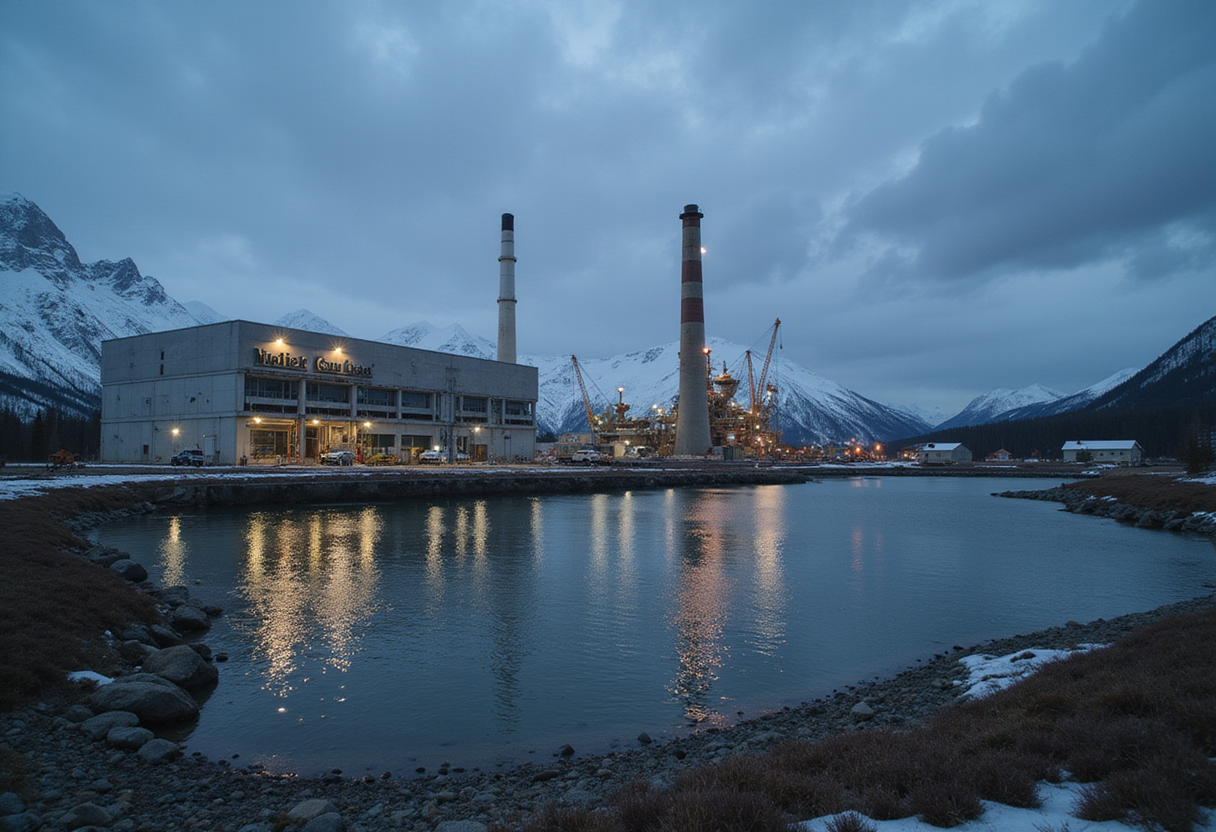
Canada's largest carbon capture and storage project will begin operations in January, moving the country's most significant emissions-reduction initiative in the oil and gas sector from the construction ledger to the operating one.
The January startup date is the hard fact in this story, and it arrives at a moment when Canadian operators and regulators are watching closely how first-of-scale CCS infrastructure performs in commercial service. Until now, Canadian carbon capture has run at demonstration and single-facility scale; a project billed as the country's largest carries a different weight for operators weighing their own capture investments.
What does a January startup change?
For the operator, the startup converts years of engineering, permitting, and capital deployment into an operating asset. Commissioning timelines for capture facilities are rarely clean — first injection typically follows a ramp-up period of testing compressors, dehydration trains, and injection wells before steady-state volumes are achieved.
For the broader Canadian sector, the timing matters for three reasons:
- Investment signal. A large CCS asset reaching operations demonstrates that megatonne-scale capture can be delivered in the Canadian regulatory and geological environment, not just studied.
- Pipeline economics. Capture projects of this scale typically anchor transport and storage infrastructure that smaller emitters can later link into, lowering the entry cost for subsequent phases.
- Policy feedback. Federal and provincial incentive frameworks were designed on the expectation that large projects would reach final investment and operate; a successful startup strengthens the case for those mechanisms.
Sanctioned asset, not appraisal-stage speculation
Trade coverage of CCS routinely mixes operating projects with concepts still sitting in feasibility studies. This project sits firmly in the former category: it is built, it is scheduled to start operations in January, and its performance will generate real injection and capture data rather than modeled projections.
That distinction carries weight for readers tracking the Canadian CCS buildout. Appraisal-stage concepts depend on assumptions about capture costs, storage capacity, and incentive payouts. An operating asset will report actual numbers — uptime, capture rates, and injected volumes — within its first quarters of service.
The company behind the project has not disclosed commissioning milestones beyond the January target, so the immediate operational questions — injection rates during ramp-up, contractual offtake of captured CO2, and any storage-site constraints — remain open items for the startup quarter.
Why the scale claim matters
The "largest in Canada" designation is not a marketing flourish; it is a sizing statement with consequences. Scale drives unit economics in carbon capture. Larger capture volumes spread fixed costs — compressors, pipeline laterals, monitoring systems — across more tonnes, and the projects most likely to clear investment hurdles under current incentive structures are those that reach industrial scale in a single phase.
Subsequent Canadian projects will be benchmarked against this one on cost per tonne captured and on reliability during the first year of operations. Operators planning capture retrofits at gas processing, oil sands, and heavy industrial sites across Alberta and Saskatchewan will read the commissioning reports closely.
What to watch
The watch items for the first quarter are concrete. First, whether the January startup holds or slips into the following weeks — commissioning delays are common on first-of-scale capture facilities, and a schedule slip would itself be information. Second, the first disclosed injection volumes, which will establish whether the storage complex performs as modeled. Third, any commentary from the operator on capture rate relative to nameplate, the single most scrutinized metric in CCS reporting.
A successful ramp would also sharpen the contrast with projects still awaiting sanction, and would give Canadian policymakers an operating data point as they calibrate the incentive frameworks that the next tranche of capture projects — several of which remain at the study stage — will need to reach final investment decision.
January is the date. The first injection and capture figures to follow will tell the market whether Canada's largest CCS bet performs at the scale it was built for.
via Google News: Oil and gas energy transition (Source)
More from Daniel Okafor
Show full bio
Market editor covering consumer brands and retail at Rig & Refinery.
335 articles
Adjoining reports
- Ottawa Poised to Fast-Track Northern Shield Pipeline as Ontario Pledges Capital
- Lakeland-area carbon capture project splits government and opposition
- Canada's Energy Minister: Oil Producers Can Self-Fund Carbon Capture
- Ontario Signals Public Investment in 3,300-Km Canadian Oil Pipeline
- West Coast Oil Pipeline Declared 'National Interest', Construction Set for Next Year