Well report No. RR-1908 · T2N · R27W · SEC 2 · filed October 20, 2026
Midstream & PipelinesWell report
Canadian Oil Tanker Terminal Proposal Draws Washington Resistance
A proposed Canadian oil tanker terminal on a border is drawing opposition in Washington, but the report names no sponsor, capacity, exact site, permit schedule or startup date.
Field notes
- Washington State Standard reports opposition in Washington state to Canada’s proposed oil tanker terminal.
- The source places the proposal on a border but gives no exact site.
- No sponsor, barrels-per-day capacity, permit schedule or startup date is disclosed.
- The source names no company, agency, official or opposition group.
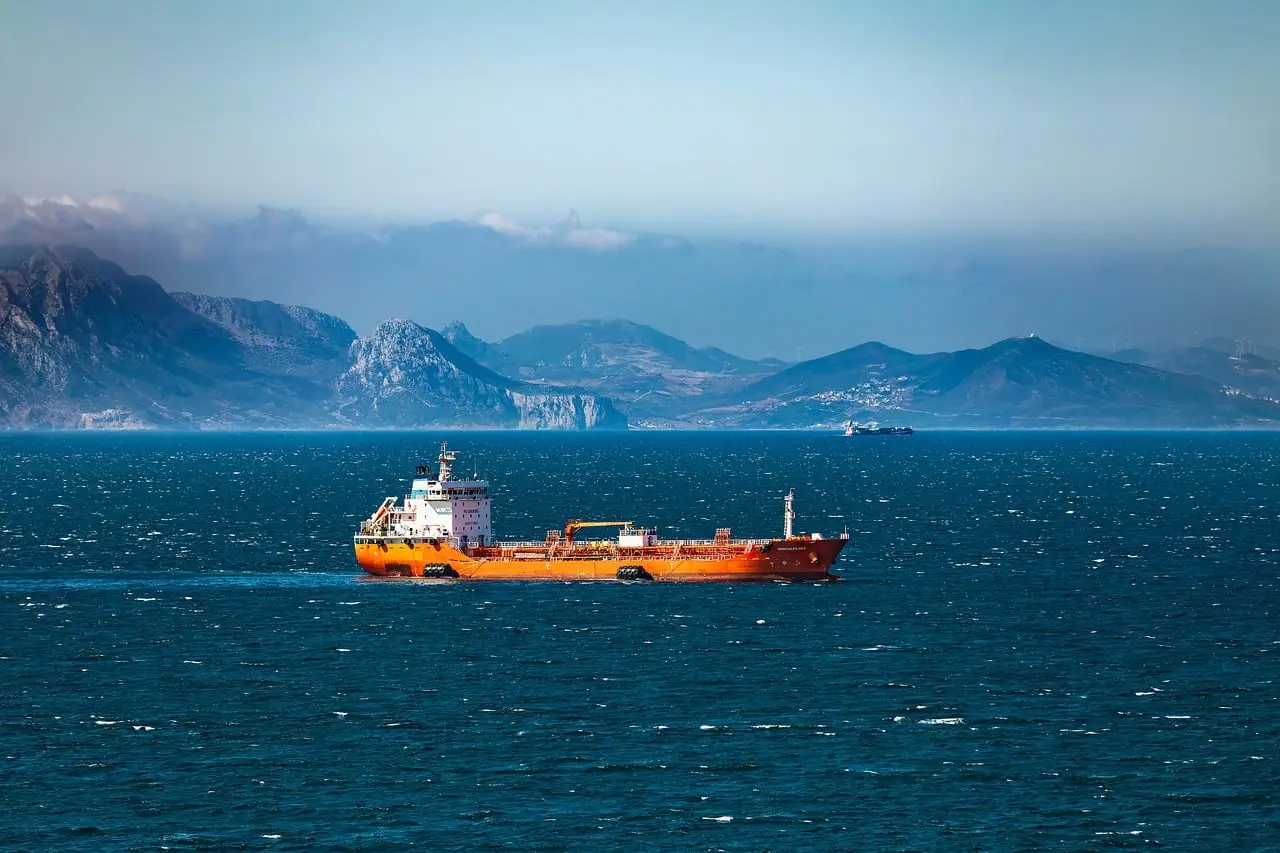
Canada’s proposed oil tanker terminal on a border is drawing opposition in Washington state, but the available item provides no capacity, sponsor, exact site, permit schedule or startup date.
By Priya Raman
The available Washington State Standard item consists only of a headline, so the evidentiary limit matters immediately. No company or agency statement accompanies it.
The publication’s headline states: “Elbows up in Washington state over Canada’s proposed oil tanker terminal on border.” The phrase signals resistance. It does not identify the resisters or their reasons. No company, agency, official, community organization or resident appears in the item.
That leaves a narrow story. A border terminal proposal has attracted attention in Washington state. It does not show construction, permits, a financing close or a first-cargo schedule.
“Proposed” remains the controlling word. The source does not report a final investment decision (FID), the formal commercial commitment to execute a project. Nor does it give a construction award, first-cargo date or commissioning schedule, meaning startup testing before commercial operation. A project can draw public attention before developers commit money. This item identifies no sponsor, financing commitment or execution timetable.
Takeaway: Opposition is documented; project readiness is not.
What is actually proposed?
An oil tanker terminal (shore-side infrastructure for transferring liquid cargo) generally links vessels with storage or transport systems. The headline does not say which functions the Canadian proposal includes.
The wording “Canada’s” leaves an important gap. It may identify ownership, location or a national connection. The available text settles none of those points. A border location also does not identify the lead permitting authority.
The missing project facts are basic:
- No precise location, border coordinates or parcel size appears.
- No owner, operator or development partner is named.
- No barrels-per-day (bpd) capacity or storage volume is disclosed.
- No tank count, berth (ship-loading position) length or loading rate is given.
- No cargo grade, origin, destination or vessel size is identified.
- No estimated cost, tariff (facility fee) or operating margin appears.
Without a sponsor statement or permit record, the proposal cannot be placed confidently among concept, land-use review, permitting, construction or operation. It should not be described as sanctioned, meaning approved and backed for execution. On the available evidence, it remains an unquantified proposal rather than an executable project.
Takeaway: The source establishes a terminal concept, not a measurable project scope.
What does the opposition change?
The strongest evidence is the headline’s “Elbows up” phrasing. That phrase does not identify a formal petition, government vote, court challenge or organized protest. None of those actions appears in the available item.
“Washington state” also does not establish whether the position comes from state government, a local jurisdiction, tribal nations, residents or an industry body. Those interests are distinct, and combining them would give the opposition more unity than the source demonstrates.
No named person appears in the item, so neither a developer nor an opponent can be quoted. Any statement about jobs, safety, emissions, oil-spill risk, tanker traffic or property effects would add a claim the source does not contain.
For a terminal sponsor, opposition can matter if it changes permits, court access or political support. Here, the report names no application or review docket. It therefore cannot show that resistance has altered the proposal’s scope, cost or schedule.
Takeaway: The headline shows opposition, but not who holds the decision.
What would turn a headline into a project report?
The next useful disclosures would come from a named sponsor or the agency with jurisdiction. Rig & Refinery would look for:
- Site and jurisdiction: Exact location, land area, border coordinates and approving authority.
- Capacity: Daily throughput, tank storage, berth design and expected loading cycle.
- Cargo and route: Oil grade, supply region, destination ports and vessel sizes.
- Commercial status: Ownership, capital cost, contracted volume, tariff and operating margin (revenue left after operating costs).
- Schedule: Permit filings, review milestones, construction start, commissioning and first cargo.
- Opposition: Named groups, their demands and any formal agency or court record.
Those details would show whether the proposal connects a producing basin to an export route or serves a local market. Without them, claims about oil supply, trade flows or energy prices remain analysis rather than reported fact. The source provides no price forecast, so none can be inferred from the border location alone.
Until those records appear, the defensible conclusion is modest: opposition is visible, while capacity, sanction, permits, startup timing and margin remain undisclosed. Takeaway: The first permit filing is the watch item; it must identify the applicant, jurisdiction, capacity, cargo and review schedule.
via Google News: Pipelines and midstream (Source)
More from Priya Raman
Show full bio
Senior reporter covering technology and product news in Oil and gas industry operations and markets at Rig & Refinery.
574 articles
Adjoining reports
- Washington state leaders challenge West Coast oil pipeline fast-track
- Washington Officials Push Back on Fast-Tracked Canada-Bound Pipeline
- Smith claims Ottawa pipeline, project moves show Alberta commitment
- West Coast Oil Pipeline Declared 'National Interest', Construction Set for Next Year
- Washington Governor Voices Disappointment Over Canada's Pipeline Push