Well report No. RR-1917 · T19N · R3W · SEC 19 · filed November 11, 2026
OffshoreWell report
Chevron farms out 25% of Namibia's PEL 82 to QatarEnergy
QatarEnergy takes 25% of Chevron-operated PEL 82 in Namibia's Walvis basin; Chevron keeps 55%, with Namcor and Custos at 10% each after the farm-out closes.
Field notes
- QatarEnergy acquires a 25% non-operated interest in PEL 82 from Chevron; financial terms undisclosed.
- Post-deal, Chevron remains operator with 55%; Namcor E&P and Custos Energy hold 10% each.
- PEL 82 covers ~11,444 sq km in water depths of 350–2,300 m in Namibia's Walvis basin.
- Existing data includes 3,500 km of 2D and 9,500 sq km of 3D seismic across ~70% of the block.
- Wingat-1 recovered 38–41° API oil to surface; Murombe-1 hit Baobab sands with ~20% porosity.
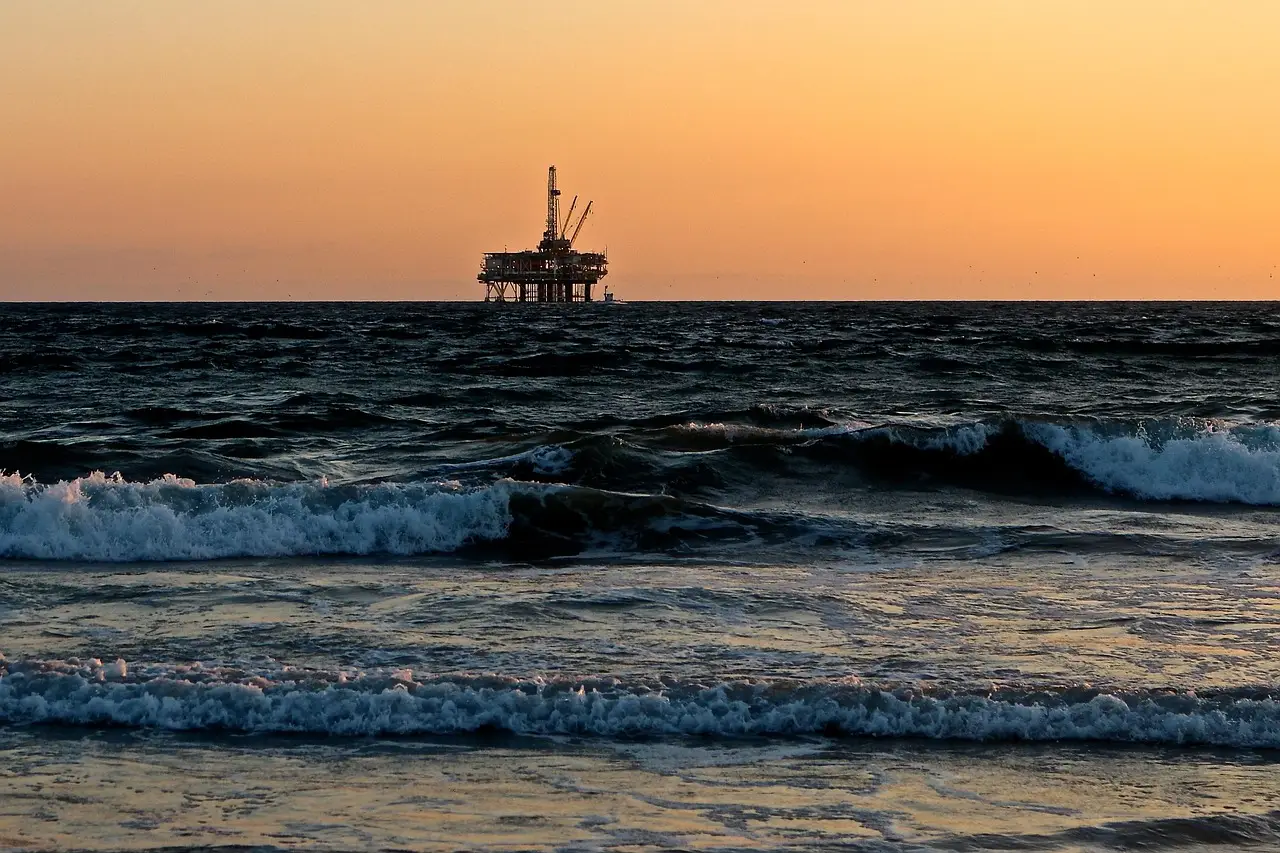
QatarEnergy will take a 25% non-operated interest in Petroleum Exploration License 0082 offshore Namibia, under a farm-out agreement signed with Chevron Corp. Chevron disclosed no financial terms.
Chevron's subsidiary Chevron Namibia Exploration II Ltd. will transfer the stake in PEL 82, which spans blocks 2112B and 2212A in the Walvis basin, QatarEnergy said in a release this week. Once the deal closes, Chevron stays in the operator's chair with 55%, while Namibia's state-backed Namcor E&P and Custos Energy hold 10% each.
The license itself is substantial. PEL 82 covers roughly 11,444 sq km in water depths ranging from 350 m to 2,300 m — deep-water territory by any measure. Chevron picked up its original 80% operated interest in 2024 through a farm-in with National Petroleum Corp. of Namibia (Namcor), part of a wider rush of international interest in Namibia's Orange and Walvis basins.
What's already under the blocks?
This is not virgin acreage. When Chevron farmed in with Namcor, about 70% of the block area already sat under existing seismic coverage — 3,500 km of 2D data plus 9,500 sq km of 3D shooting.
Two exploration wells have tested the license in the past:
- Murombe-1 penetrated the Baobab sands, recording porosity of about 20% — a respectable reservoir figure for deep-water turbidite targets.
- Wingat-1 recovered 38-41° API oil to surface, a light crude by grade.
Both results mattered beyond the wellheads. Together they confirmed the regional extension of the Barremian-Aptian oil-prone source rock — the Kudu shale — across the license area. In frontier terms, a proven source rock with demonstrated migration to surface is the difference between geology and a play.
Why the deal structure matters
The farm-out keeps Chevron firmly in control. A 55% operated interest means the US major still carries the drilling decisions, while QatarEnergy's entry shares the capital burden of exploration in frontier water depths that push past 2,000 m.
For QatarEnergy, the deal adds another foothold in a basin complex where it has already positioned itself alongside other majors chasing Namibia's post-Venus and Graeme discoveries. For Namcor and Custos, carried 10% positions mean exposure to any discovery without matching deep-water exploration budgets.
Sanctioned drilling plans for PEL 82, however, remain unannounced — the farm-out is an exploration-stage transaction, not a commitment to spud.
The watch item
Namibia's petroleum commission must still approve the transfer before the new partnership structure takes effect. After that, the market's attention shifts to whether Chevron and its slimmed-down partnership commit a rig to the Walvis basin — the first operator well on PEL 82 would be the license's first real test since Wingat-1 lifted light oil to surface.
via qatarenergy.qa (Original)
More from Elena Vasquez
Show full bio
News editor covering technology and product news in Oil and gas industry operations and markets at Rig & Refinery.
561 articles
Adjoining reports
- QatarEnergy to acquire 25% of Chevron's Namibia exploration license
- BP Takes Operatorship of Three Namibian Offshore Licenses
- Namibia clears Eco's farm-down of three Walvis Basin licences to bp
- Chevron Consolidates Operatorship of PEL 90 Ahead of Nabba-1X Well
- Chevron Lifts Exploration Budget 50% to $1.5 Billion in Frontier Push