Well report No. RR-9856 · T6N · R11W · SEC 18 · filed October 10, 2026
Midstream & PipelinesWell report
Chevron Moves to Shed Hess Midstream Stake in Bakken Restructuring
Chevron plans to shed its Hess Midstream stake as part of a post-merger restructuring of its Bakken position, OilPrice reports. No buyer, price, or timeline disclosed yet.
Field notes
- Chevron plans to sell its Hess Midstream stake, OilPrice.com reported.
- The divestment forms part of a restructuring of the Bakken position inherited via the Hess acquisition.
- Chevron closed the Hess takeover in 2024 following arbitration over Guyana's Stabroek block.
- No buyer, valuation, or transaction timeline has been disclosed.
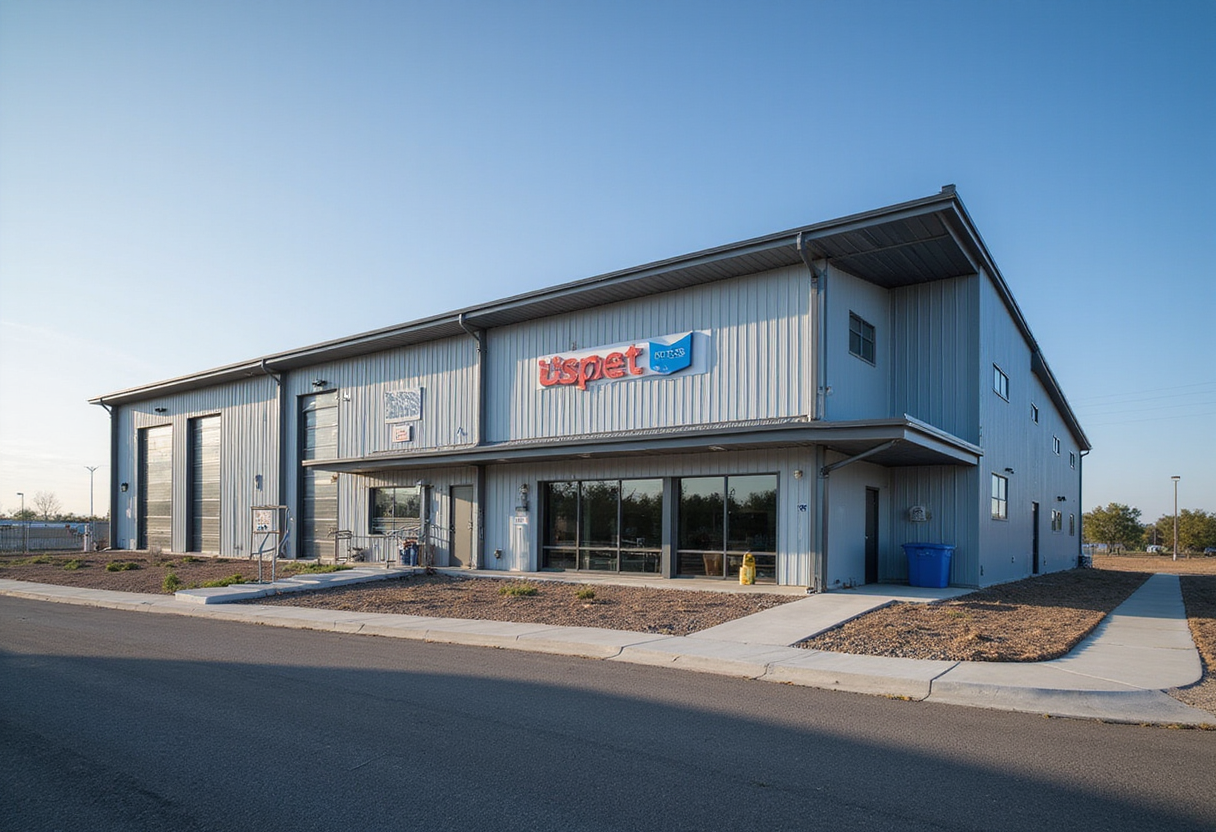
Chevron plans to divest its stake in Hess Midstream as part of a broader restructuring of the Bakken position it inherited through its acquisition of Hess Corp, OilPrice.com reported.
The decision signals that the San Ramon-based major treats the Hess Midstream holding as a non-core financial asset rather than an operational necessity in the Williston Basin. Chevron closed its takeover of Hess in 2024 after an extended arbitration fight with ExxonMobil and CNOOC over right-of-first-refusal claims on the Stabroek block in Guyana. That dispute delayed the deal by months and kept the Hess portfolio in limbo until arbitrators ruled in Chevron's favor.
Why is Chevron selling the midstream stake now?
For Chevron, the sale would complete the integration arithmetic of the Hess deal. The company bought Hess primarily for its 30% interest in ExxonMobil-operated Stabroek block offshore Guyana, where production is expanding across multiple floating production, storage and offloading vessels. The Bakken upstream position and the Hess Midstream stake came with the package.
Hess Midstream owns the gas, crude and water handling infrastructure that serves Hess's Bakken production in North Dakota. The entity was structured as a publicly traded midstream vehicle, with Hess holding a controlling economic interest. Chevron inherited that interest when it absorbed Hess, and a sale would unwind one of the last structural remnants of the acquired company.
The report did not specify a buyer, a valuation, or a transaction timeline, and Chevron has not detailed the planned divestment in public filings cited by the story. Any deal would follow the standard pattern for major-portfolio rationalization: a carve-out of infrastructure that steady-state operators, infrastructure funds, or the midstream entity itself through buybacks are better positioned to hold.
What does this mean for the Bakken?
The Williston Basin remains a cash-generating but mature play, and midstream ownership there has been a question mark since the Chevron-Hess merger closed. A Hess Midstream stake sale would not change throughput on the pipelines themselves — the assets continue to serve the same producers under the same contracts. What changes is who books the fee-based cash flow.
For Hess Midstream's public unitholders, a Chevron exit cuts both ways. A controlled sell-down could increase free float and improve liquidity. A sale to a third party could introduce a new controlling holder with different distribution priorities. Chevron has not commented on the structure of the planned exit, according to the report.
The move fits a wider pattern among supermajals trimming integrated positions inherited through consolidation. ExxonMobil and Chevron have both spent the period since their respective mega-mergers — Pioneer Natural Resources for Exxon, Hess for Chevron — pruning stakes that do not fit upstream-led portfolio models.
What's the watch item?
The open questions are price and counterparty. Watch for a formal Chevron disclosure, a Hess Midstream filing on the disposition, and any binding agreement naming the acquirer. Until Chevron puts a number on the stake and a signature on a sale, the restructuring remains at the announcement stage rather than the sanctioned-deal stage.
For Bakken watchers, the secondary item is what the transaction implies about Chevron's long-term commitment to the basin's upstream — a midstream exit does not signal production cuts, but it does remove one reason to stay concentrated in North Dakota infrastructure.
via Google News: Pipelines and midstream (Source)
More from James Calloway
Show full bio
Staff writer covering industry trends and analytics at Rig & Refinery.
384 articles
Adjoining reports
- Chevron to Shed Hess Midstream Stakes, DJ Basin Crude Assets
- Chevron to Sell Hess Midstream Stakes and DJ Basin Assets
- Chevron Swaps Hess Midstream Stake for 50% Bakken Cost Cut, $200M
- Chevron Moves to Sell Hess Midstream Stake, DJ Basin Assets
- Chevron to sell Hess Midstream stakes, DJ Basin crude assets