Well report No. RR-6724 · T10N · R25W · SEC 10 · filed November 10, 2026
Upstream Drilling & ProductionWell report
Comstock Locks In Nearly $2 Billion to Fund Western Haynesville Push
Comstock Resources has finalized nearly $2 billion in financing deals backed by SOCAR and Jerry Jones to fund Western Haynesville delineation and cut debt, with Q4 cash flow positivity targeted.
Field notes
- Comstock Resources secured nearly $2 billion in financing deals to fund Western Haynesville delineation and debt reduction.
- SOCAR, Azerbaijan's state oil company, is investing, alongside continued backing from Jerry Jones.
- Management expects cash flow positivity in Q4.
- Pad drilling is planned, replacing costlier single-well drilling.
- The company's debt ratio remains high despite the new backing.
By Priya Raman
Comstock Resources has converted a preliminary understanding into roughly $2 billion of financing deals, money earmarked for continued delineation of the Western Haynesville and for trimming a debt load that still worries holders. The company has not yet filed the full mechanics publicly in granular form. What is on record is the headline number, the participants, and management's own expectations for the quarters ahead.
The deals bring in SOCAR, Azerbaijan's state oil company, as a financial backer, alongside continued support from Jerry Jones, the Dallas Cowboys owner and long-time Comstock anchor investor. That backing lowers the perceived financial risk, but it does not retire the debt. The leverage ratio remains high by any operator standard, and management has not published a target for how much of the $2 billion goes to the balance sheet versus the drillbit. Until that split is disclosed, the debt-reduction claim deserves scrutiny.
What changes on the drilling side?
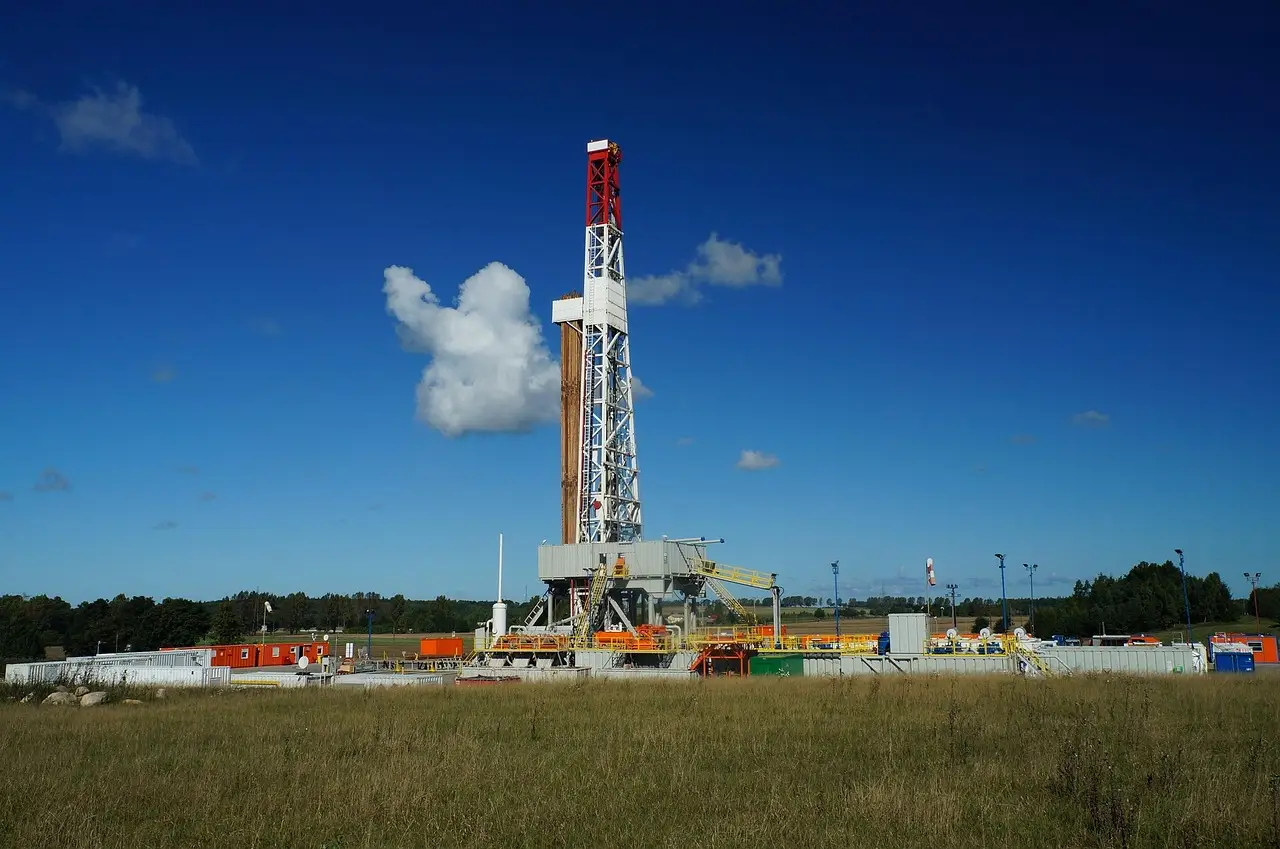
The financing underwrites ongoing delineation of the Western Haynesville, the deeper, higher-pressure extension of the Haynesville shale gas play that straddles the Texas-Louisiana border. Delineation means drilling wells to define the productive limits of the field before committing to full development — appraisal work, not yet a sanctioned development plan.
Two operational shifts stand out in management's commentary:
- Pad drilling is planned. Comstock intends to move to pads — drilling several wells from a single surface location — abandoning the single-well approach that has inflated its per-well costs in the play.
- Cost reductions are expected from new rigs, equipment upgrades, the effect of the financing deals themselves, and technology advances.
Each of those is an expectation, not a result. Management did not quantify the targeted cost reduction per foot or per well. Skeptics will note that rig and technology savings are the most commonly promised and most commonly deferred efficiencies in shale gas.
When does the cash flow turn?
Management expects Comstock to reach cash flow positivity in the fourth quarter. That timing matters more than any single deal term, because a company that funds itself from operations no longer needs to keep selling stakes or borrowing against its acreage.
The claim rests on several moving parts landing together: the new capital arriving on schedule, the cost cuts materializing, and natural gas prices cooperating. The company said nothing in the available material about the gas price deck underpinning the Q4 forecast. That omission is the gap to watch. Haynesville economics swing hard with Henry Hub, and a warm-winter demand miss can push a Q4 breakeven into the next year.
Who is actually carrying the risk?
SOCAR's involvement is the structural heart of the transaction. A state-backed counterparty with deep pockets gives Comstock a financing partner less dependent on capital markets than a typical private equity player. Jerry Jones's continued backing reinforces that cushion.
But backing is not forgiveness. The deals were struck, not gifted, and the terms — carry obligations, preferred returns, drilling commitments — were not laid out in the public summary. Investors reading only the $2 billion headline do not yet know what Comstock gave up to get it. In farm-down structures of this kind, the seller usually trades upside for certainty.
There is also a competitive framing to stress-test. Management positions the package as setting up Comstock for eventual competitive profitability against Haynesville peers such as Aethon, Rockcliff-era private operators, and the public giants. That is an aspiration. On current disclosure, Comstock's cost position and leverage still trail the basin leaders, and the financing buys time rather than superiority.
The watch items
Three markers will tell whether this deal works as advertised:
- The formal filing disclosing deal terms and the debt-versus-drilling split of the $2 billion.
- Evidence of pad drilling actually starting, with per-well cost figures attached.
- Q4 cash flow — the quarter itself, printed, not projected.
In plain words: Comstock bought itself funding and time, and the fourth quarter will show whether it bought a turning point.
Note: figures and expectations in this report are drawn from a summary of management commentary and deal disclosures; the underlying transaction documents had not been fully published at the time of writing.
via seekingalpha.com (Source)
More from Priya Raman
Show full bio
Senior reporter covering technology and product news in Oil and gas industry operations and markets at Rig & Refinery.
594 articles
Adjoining reports
- Comstock, SOCAR Sign Framework Deal for $1.65bn Haynesville Stake
- Patterson-UTI in Focus as Analysts Scan Oilfield Services Q2
- Patterson-UTI: Higher Prices Won't Spur More US Production
- Chevron moves to divest midstream assets as Bakken restructuring
- Chevron to divest Hess Midstream stake and DJ Basin assets