Well report No. RR-6272 · T12N · R27W · SEC 12 · filed September 29, 2026
Refining & PetrochemicalsWell report
Dangote Targets Kenya for Second Mega-Refinery as Nairobi Accelerates Permits
Dangote Group is weighing a Kenyan refinery larger than its Lekki flagship as President Ruto's government fast-tracks approvals; no capacity, site, or FID has been set.
Field notes
- Dangote Group plans a refinery in Kenya that would be larger than its existing facility, Economic Confidential reports.
- President William Ruto's administration is fast-tracking approval of the project.
- No capacity figure, site, or final investment decision has been announced for the Kenyan scheme.
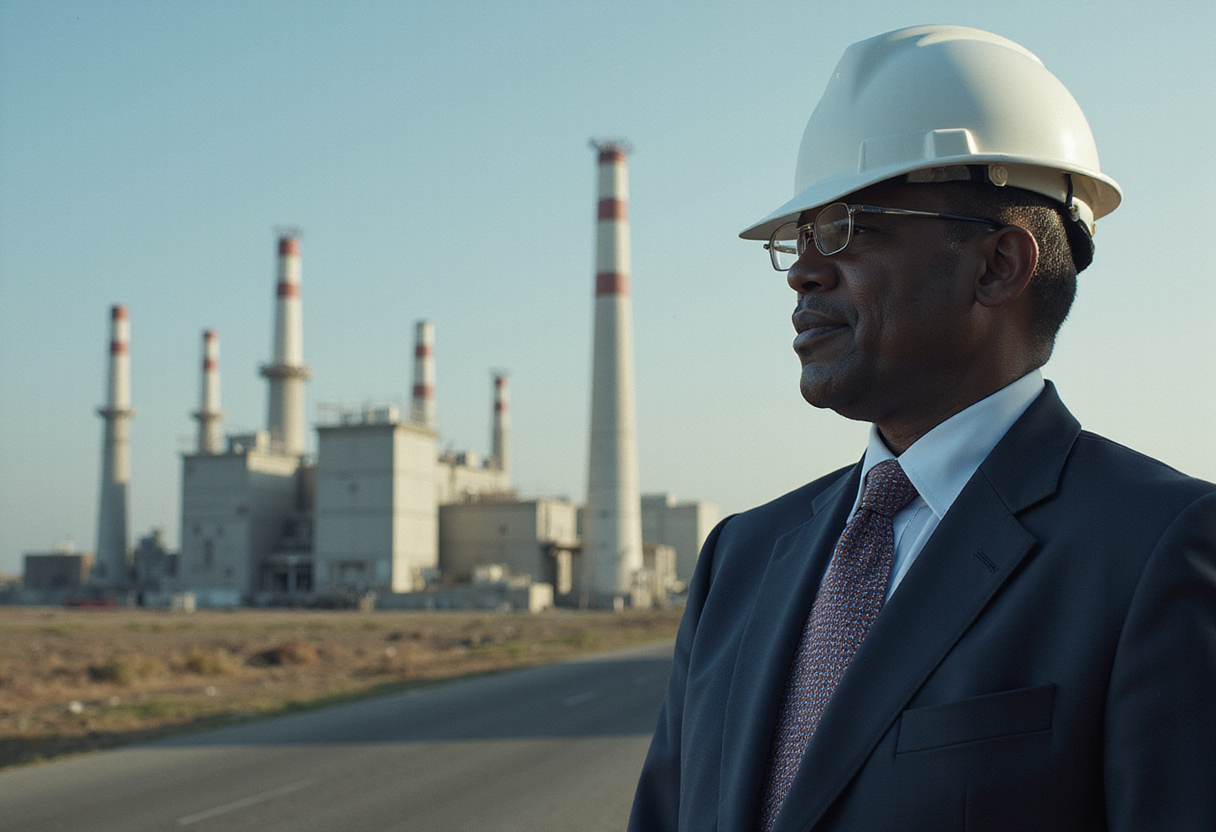
Dangote Group is planning a refinery in Kenya that would exceed the scale of its existing operations, according to a report by Economic Confidential, with President William Ruto's administration moving to fast-track the approvals the project needs before construction can begin.
The plan puts Kenya in contention for the Nigerian industrial group's next major downstream investment. President Ruto has directed his government to accelerate the approval process, signalling that Nairobi wants the project sanctioned and delivered on a compressed timeline rather than left to work through the standard permitting queue.
At this stage, the proposal sits on the appraisal side of the ledger. No capacity figure, site selection, or final investment decision has been announced for the Kenyan scheme. The company's framing — a refinery larger than its current flagship — sets the scale of ambition, but investors and regional downstream watchers should treat the Kenya project as unsanctioned until Dangote commits capital and secures its licences.
The reference point for what "larger" means is the Dangote refinery at Lekki, near Lagos in Nigeria. That plant, the largest single-train refinery in Africa, has reshaped West African product supply since it started operations, displacing imported gasoline and diesel across the region and pulling Nigeria toward refined-product self-sufficiency. Any Kenyan facility pitched at a bigger scale would carry comparable implications for East African fuel markets, where import dependence remains the norm and regional refineries are few, small, and ageing.
For Kenya, the prize is straightforward: a large domestic refining complex would cut the country's reliance on imported refined products, anchor demand at the port of Mombasa, and position Nairobi as a regional supply hub. The government's decision to fast-track approvals reflects that calculation — the competition for large-scale industrial capital in East Africa is real, and permitting speed is one of the few levers a host government controls.
Dangote's expansion logic tracks its Lekki playbook: build refining capacity at a scale that regional demand cannot currently satisfy domestically, then capture the import-substitution margin. Kenya, with its port infrastructure and location serving the East African Community market, fits that model.
The watch items from here are concrete. First, a site selection and announced capacity for the Kenyan plant — the number that will define whether the project matches the Lekki scale or exceeds it. Second, the permit package Nairobi assembles under the fast-track directive, including environmental clearance and land allocation. Third, the FID itself, which will mark the transition from presidential enthusiasm to committed capital. Until those milestones land, the Kenya refinery remains a plan with political momentum behind it — significant, but unsanctioned.
via Google News: Refineries and petrochemicals (Source)
More from Priya Raman
Show full bio
Senior reporter covering media and advertising at Rig & Refinery.
72 articles
Adjoining reports
- Dangote Targets $36bn Revenue as Kenya Backs $17bn Refinery Plan
- Dangote Floats Kenya Refinery at Double Nigerian Plant's Capacity
- Dangote Group Targets $36 Billion Revenue as Refinery Draws Presidential Praise
- Kenya's Ruto Calls Dangote Refinery a 'Masterpiece'
- Dangote Refinery Nears Startup as Kenya Weighs $100 Million Project