Well report No. RR-8238 · T2N · R26W · SEC 2 · filed November 3, 2026
Upstream Drilling & ProductionWell report
Diamondback Moves Barnett Shale to Full-Field Development Mode
Diamondback will develop up to five Barnett shale sections by February as costs approach $800 per lateral foot. The play holds 878 gross locations, CEO Kaes Van't Hof said Nov. 3.
Field notes
- Diamondback plans up to five Barnett section developments by end of February.
- Barnett costs fell from about $1,000 per lateral foot toward an $800 goal.
- Inventory: 878 gross (561 net) locations on 224,000 net acres.
- 2027 plan holds at 19-20 rigs, 5 frac crews, 120-140 wells turned in line per quarter.
- FANG shares dropped about 25% to nearly $195 on Nov. 3; market cap near $55 billion.
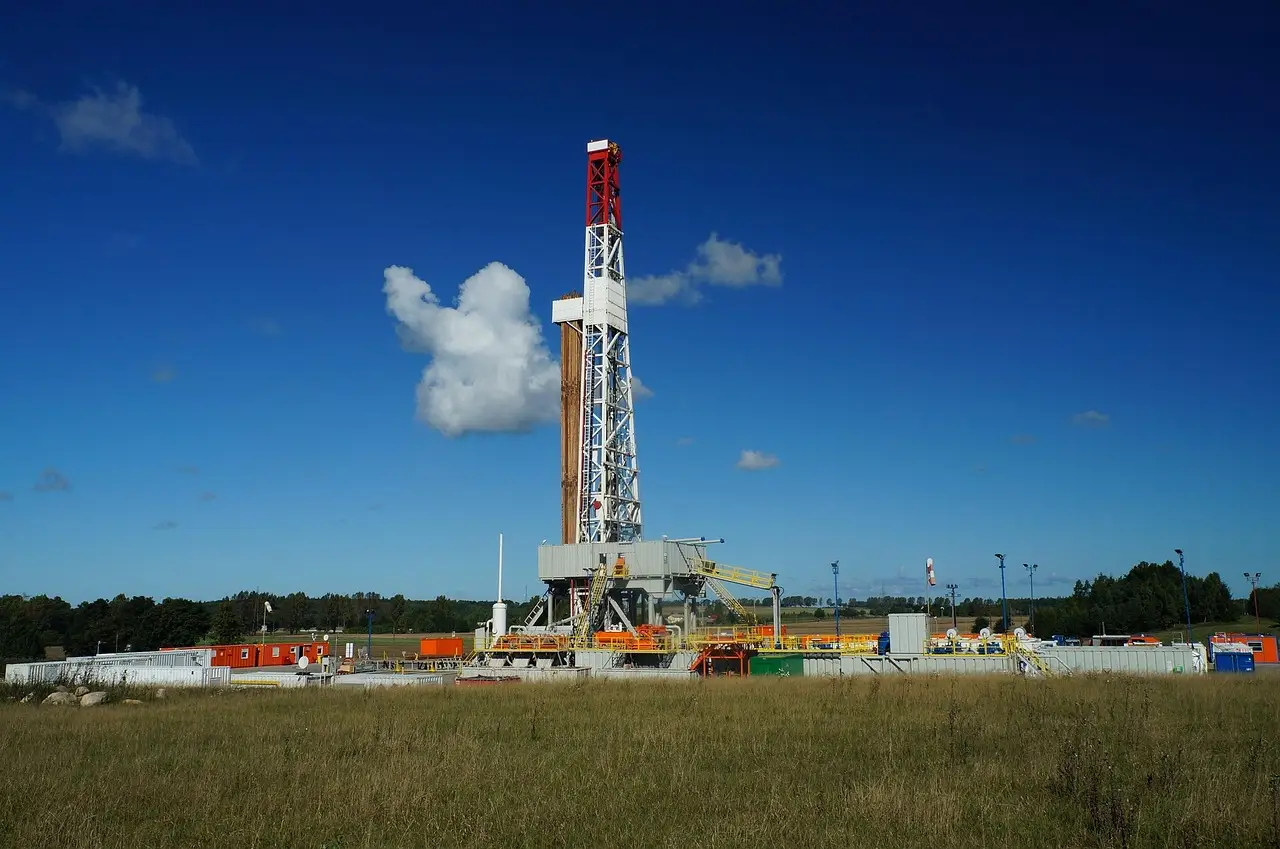
Diamondback Energy will develop up to five Barnett shale sections by the end of February, marking a shift from appraisal to full-field development in the 224,000-acre Texas gas play it unveiled only in February.
CEO Kaes Van't Hof announced the plan Nov. 3 on the company's third-quarter earnings call. The Midland-based operator disclosed a 200,000-acre Barnett position in February and has since added 24,000 net acres. Costs have fallen from roughly $1,000 per lateral foot drilled at the start of the year toward Van't Hof's stated goal of $800.
"What was once a geologic success is now turning into meaningful value for the company, and we're moving into kind of full-field development," Van't Hof said.
How large is the Barnett inventory?
Diamondback's internal inventory count stands at 878 gross locations, or 561 net, that management believes the holdings can support over time. The company's acquisition of deeper portions of the reservoir zones appears to be paying off in recovery efficiency, Van't Hof said, a benefit executives expect to grow as unit costs continue declining.
Chief engineer Al Barkmann told analysts some upcoming drilling will satisfy lease obligations near areas where crews have already drilled wells. He also noted some Barnett areas are competing for capital today, partly because of Diamondback's 40% ownership of Viper Energy, its mineral- and royalty-focused subsidiary.
Van't Hof described the cost trajectory bluntly: "Early on in these developments, we kind of gold-plate everything and then start to work our way down."
He signaled no obstacles ahead. With "nothing that scares me or scares the team from continuing to push on," the company plans up to five section developments — multi-well pads covering a square mile each — by late February.
What does the 2027 outlook imply for spending?
Executives gave an early sign they are not planning a notable production increase in 2027. The current program calls for 19-20 rigs and 5 frac crews (hydraulic fracturing teams), turning 120-140 wells in line per quarter, consistent with the third quarter's 135 completions.
Asked whether that stance was cautious, Van't Hof said: "It's always good to prepare the company for a swing to the downside." He added that he personally expects oil prices to be higher for longer, but framed that view as a working assumption rather than a planning basis.
"But we prepare the business to keep our cost structure low and execution in perfect shape," he said.
Will Diamondback join the multi-basin M&A fray?
The answer was no, for now. Diamondback has spent $406 million on ground-game acquisitions in the Permian basin this cycle, and Van't Hof's investor letter said the team stands ready to buy more assets within that region.
Outside the Permian, executives have examined opportunities, the CEO said, but each time concluded their advantage lies in the basin they know best. "At the end of the day, I think our investors would rather us spend the extra $100 million on surfactant tests to improve our overall recoveries and duration than go explore outside the basin that we don't know as well," Van't Hof said.
How did the market react?
Shares of Diamondback (ticker FANG) fell about 25% on Nov. 3 to nearly $195 in midday trading. Over the past six months the stock has declined roughly 5%, trimming market capitalization to about $55 billion.
The single-day drop came despite the operational progress in the Barnett, where falling drilling costs and rising recovery efficiency form the core of the full-field case. The watch item is the February deadline for the five section developments and whether per-lateral-foot costs reach the $800 target.
via globenewswire.com (Original)
More from Olivia Hart
Show full bio
Correspondent covering technology and product news in Oil and gas industry operations and markets at Rig & Refinery.
573 articles
Adjoining reports
- Patterson-UTI: Higher Prices Won't Spur More US Production
- DOE Offers Another 40 Million bbl From SPR as Stockpile Nears 40-Year Low
- Dallas Fed Survey: US Oil and Gas Output Rose in Q3 2026
- Chevron to shed Hess Midstream stake, DJ Basin midstream assets
- Dallas Fed Survey: US Oil, Gas Output Rises in Q3 2026