Well report No. RR-6237 · T7N · R7W · SEC 7 · filed October 30, 2026
OffshoreWell report
Drilling Rigs Spotted 43 km Off Chandrabhaga, and Nobody Will Say Why
Drilling vessels are working 43 km off Chandrabhaga in the Bay of Bengal, with reports pointing to oil and gas exploration — but no operator has confirmed the project's purpose or scope.
Field notes
- Offshore drilling reported underway about 43 km from the Chandrabhaga coast, Puri district, Odisha.
- Large vessels with advanced drilling machinery are conducting deep-sea geological operations at the site.
- ONGC is being urged to disclose the operation's purpose, scope and implications.
- No official clarification has been issued; it is unclear whether local administration was informed.
- Whether the work leads to an oil or gas discovery remains unconfirmed.
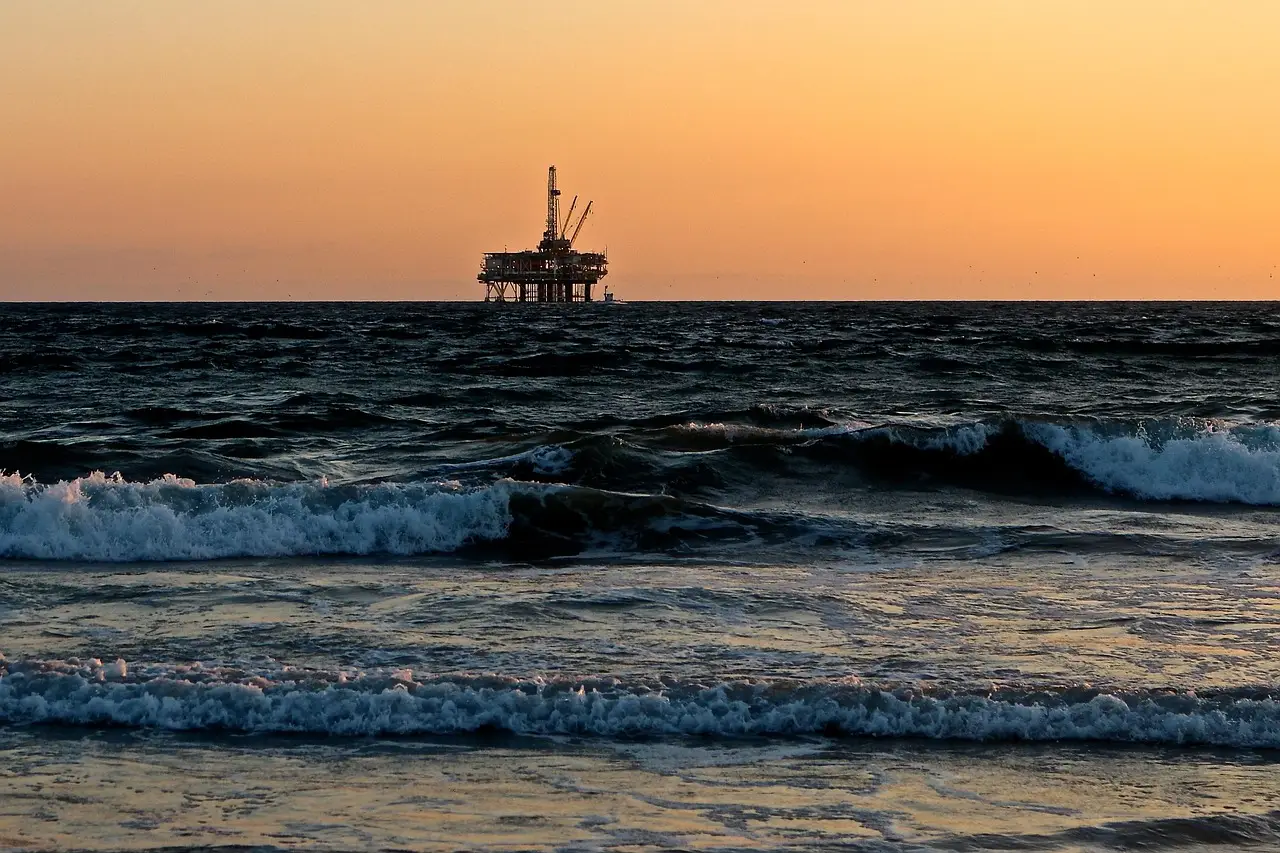
Offshore drilling has started roughly 43 kilometres from the Chandrabhaga coast in Odisha's Puri district, according to local reports — and no one in authority has confirmed what the rigs are looking for. The silence is the story.
Sambad English reported the activity in the Bay of Bengal, describing large vessels fitted with advanced drilling machinery conducting deep-sea operations at the site. The report frames the work as a probable geological exploration exercise: drilling into the seabed to collect data on underground rock formations and assess whether crude oil, natural gas or other mineral resources lie beneath. That is a description of method, not of mandate.
What do we actually know?
Strip out the speculation and three facts survive:
- Drilling vessels are working about 43 km off Chandrabhaga, in the Bay of Bengal.
- The operations are believed to be part of a geological survey of sub-surface formations.
- No official clarification of the project's objective or scope has been issued.
That third point matters most. Deep-water exploration — drilling into seabed formations to read rock structure and detect hydrocarbon indicators — is routine work when a company holds a licence block. But routine work comes with a paper trail: a block award, an exploration programme, a operator's name. None of that has surfaced here. The reports do not name the operator.
Why the calls for disclosure are growing
Local pressure is now directed at the Oil and Natural Gas Corporation (ONGC), India's state operator, which is being urged to make information about the offshore operation public — including its purpose and possible implications. There is also a separate, sharper question: whether the district or local administration in Puri was informed about the project at all.
ONGC has not, on the available record, confirmed it is running the operation. The urging implies assumption, not disclosure. If ONGC is the operator, a one-paragraph statement would settle the questions about purpose, duration and water depth. If it is not, someone else's rig is drilling 43 km off one of Odisha's most visited coastlines and nobody has said whose.
How much should locals read into this?
Very little, for now. A single exploration campaign is a bet, not a discovery. Seabed drilling yields geological data; it indicates whether a petroleum system (source rock, reservoir rock and a trap to hold migrating hydrocarbons) might exist. It does not confirm recoverable reserves, and it says nothing about commerciality. The Sambad report itself concedes the endpoint: whether the exploration yields positive results and leads to a discovery of oil or gas "remains to be seen."
That caveat deserves to sit at the top of every headline. Bay of Bengal acreage east of India has seen intermittent exploration interest, but a rig on station is the beginning of a question, not the answer to one.
The watch items
Three things will convert this from rumour to story:
- An ONGC statement naming the block, the operator and the programme's objective.
- Confirmation of whether local and district administration were notified, and by whom.
- Any spud announcement or exploration licence detail that places the site in a formal contract area.
Until one of those lands, the honest read is this: vessels are drilling off Chandrabhaga, observers have assumed ONGC is behind it, and the company's silence is doing more to fuel speculation than any geologist could.
The takeaway: 43 km of water stands between a drilling rig and a confirmed hydrocarbon story, and the only party that can close that gap with facts has so far chosen not to.
via Google News: Offshore drilling and FPSOs (Source)
More from Priya Raman
Show full bio
Senior reporter covering technology and product news in Oil and gas industry operations and markets at Rig & Refinery.
585 articles
Adjoining reports
- ONGC Lines Up $10 Billion Offshore Drilling Drive, 87 Wells by 2031
- Somalia's President Boards Drillship Offshore as Exploration Push Advances
- Finder Picks Hakuryu-5 Rig for KTJ Drilling Offshore Timor-Leste
- Monumental Energy Joins Four-Party Consortium to Drill Maata in Taranaki
- Aker BP Lifts North Sea Discovery Estimate to 8-15 Million bbl