Well report No. RR-6013 · T1N · R38W · SEC 13 · filed October 11, 2026
Refining & PetrochemicalsWell report
Drone strikes force half of Russia's top diesel refineries to cut runs
A Reuters survey finds half of Russia's largest diesel-producing refineries have cut runs after drone strikes damaged crude distillation capacity across the sector.
Field notes
- Half of Russia's top diesel-producing refineries have cut output after drone strikes, per a Reuters survey
- Damage centers on crude distillation units, idling downstream processing trains
- Russia is one of the world's largest diesel exporters; affected plants anchor that supply
- Watch product export loadings from Baltic and Black Sea terminals over the next 4-8 weeks
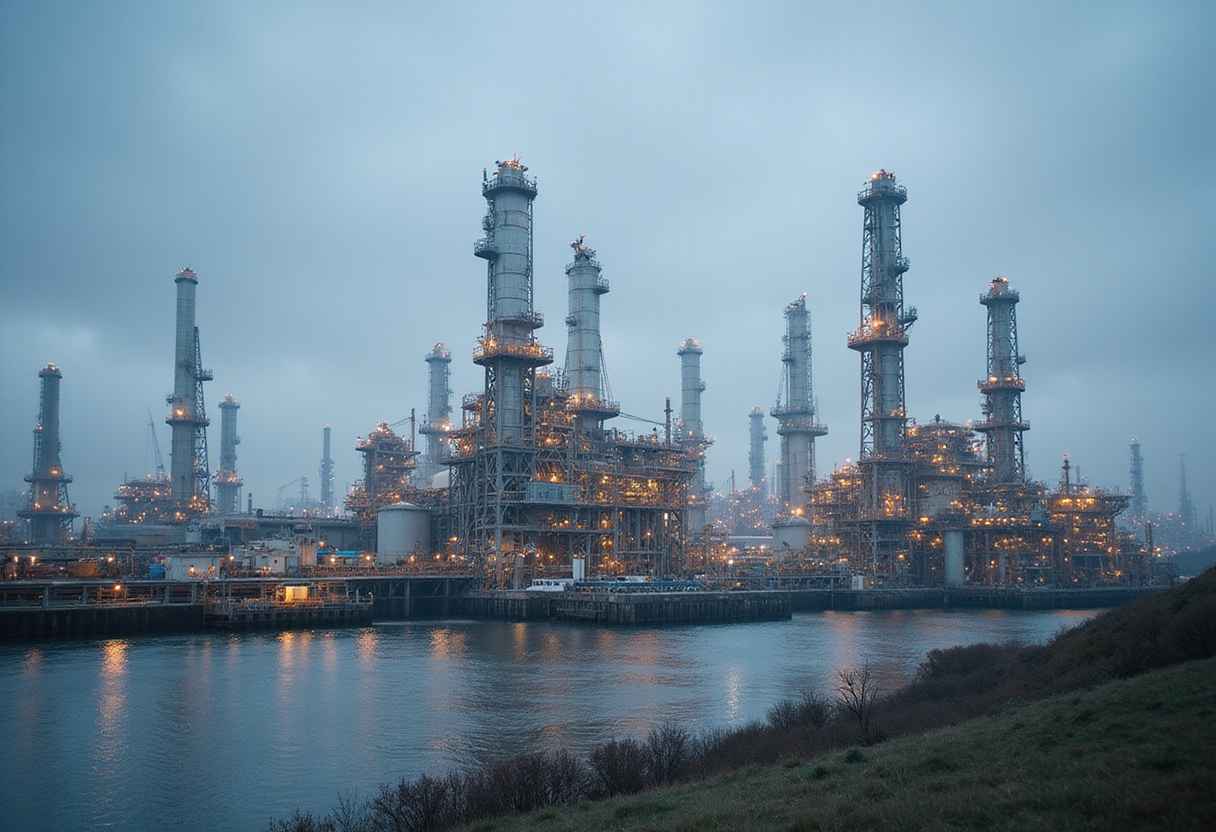
Half of Russia's largest diesel-producing refineries have reduced output following Ukrainian drone strikes, a Reuters survey of the country's downstream sector found.
The attacks have knocked out or degraded crude distillation units at facilities that anchor Russian middle-distillate supply, according to the report. Russia ranks among the world's largest diesel exporters, and the damaged sites sit at the center of that export stack.
Which plants are affected?
Reuters did not publish a full plant-by-plant table, but the survey covered the group of refineries that account for the bulk of Russian diesel output. The common pattern across the affected sites is damage to primary processing units — the crude distillation towers that feed every downstream unit, from hydrotreaters to catalytic crackers.
When a distillation tower goes offline, the entire refining train behind it loses feed. Repairs can take weeks to months depending on whether the refinery can source replacement towers and heat-exchanger sections under sanctions-constrained procurement.
What does this mean for diesel supply?
The cuts come from the top of the Russian barrel-making hierarchy, not from marginal plants. A 50% reduction in runs across the largest diesel producers removes a meaningful volume from a market where Russian exports already flow to buyers in Turkey, Africa, and, via transshipment, to other regions.
Russia has handled previous strike-related outages by raising runs at undamaged refineries, drawing down product stocks, and temporarily banning gasoline and diesel exports to protect domestic supply. Each of those levers has a cost: higher runs at surviving plants accelerate maintenance backlogs, and export bans cost the state and refiners export revenue.
Diesel cracks — the refining margin on middle distillates — had already been firm in northwest Europe on refinery closures and low distillate stocks. Traders will treat this survey as a data point supporting tighter distillate balances, though actual export flows from Baltic and Black Sea terminals will confirm how much supply leaves the market. Analyst commentary on price direction belongs to the market desks; the physical fact is the reduced run slate itself.
How does Moscow respond?
Past drone strikes on refineries prompted three types of response: repairs at affected sites, load-shifting to undamaged plants, and export restrictions on refined products. The government has also used export duty and quota mechanisms to steer domestic supply.
Refinery operators have repaired several damaged units this year, and some previously struck plants have returned to service. The question for the coming months is whether repair crews can keep pace with new strikes on the same asset class — large, fixed, hard-to-defend distillation towers.
What is the watch item?
Watch Russian refined-product export data from Baltic and Black Sea loading points over the next four to eight weeks. Falling diesel liftings would confirm the survey's run cuts are reaching the water; steady loadings would indicate stock drawdowns and load-shifting are absorbing the outage for now. The next domestic fuel-market intervention from Moscow — an export ban extension or quota change — is the second signal to track.
via Google News: Refineries and petrochemicals (Source)