Well report No. RR-7148 · T16N · R36W · SEC 28 · filed November 8, 2026
OffshoreWell report
Eight maritime groups seek delay on EU offshore vessel ETS rules
Eight maritime groups want the EU to delay 2027 ETS compliance for vessels above 5,000 gross tonnes, citing competition risks, loopholes and carbon leakage.
Field notes
- Offshore vessels above 5,000 gross tonnes face EU ETS obligations from 1 January 2027.
- Eight maritime organisations signed the open letter to EU institutions and member states.
- The letter makes three demands: close loopholes, define offshore work and postpone compliance until revised MRV rules are tested.
- The groups reject exemption from carbon pricing and seek a revised monitoring, reporting and verification framework.
- Non-EU ports, which do not levy penalties, sit at the centre of the groups’ competition and carbon-leakage warning.
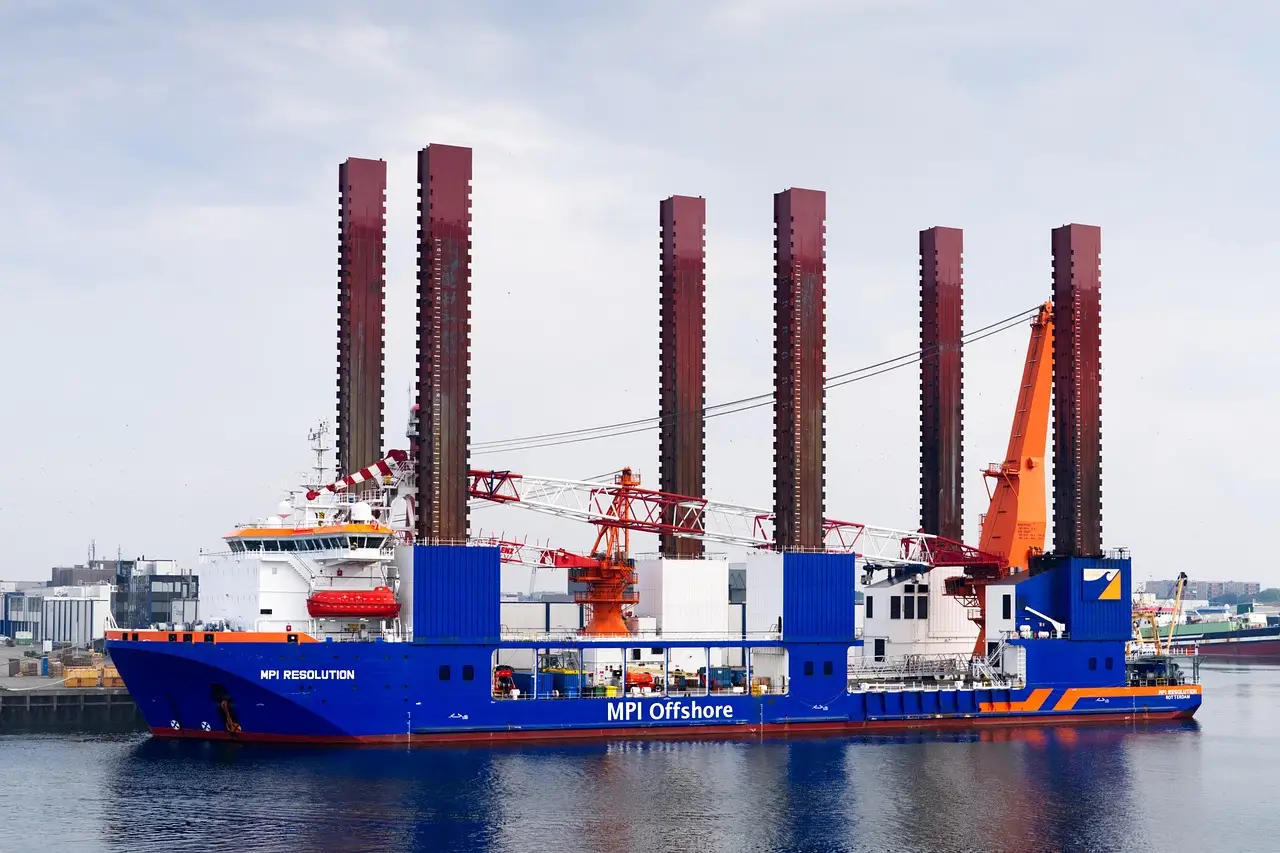
Eight maritime groups seek delay for offshore vessels above 5,000 gross tonnes facing EU ETS rules from 1 January 2027.
Their open letter to the European Parliament and EU member states follows a Maritime Journal report last week that IMCA was preparing to push for the change. Eight organisations signed it, including the International Marine Contractors Association (IMCA) and the European Dredging Association (EUDA).
The request targets reporting rules, not carbon pricing. Nothing in the letter changes the scheduled start date.
What do the 2027 EU ETS rules require?
Offshore vessels above 5,000 gross tonnes will enter the EU Emissions Trading System (ETS) on 1 January 2027. Operators must monitor emissions and buy ETS allowances for emissions that qualify.
The groups say that schedule exposes a mismatch. Their letter says the rules “impose significant financial obligations, distort competition and create opportunities for circumvention” and calls the MRV (monitoring, reporting and verification) framework “widely recognised as not fit for purpose.”
Plainly, the industry is challenging the reporting method, not the existence of a carbon obligation.
Why do shipping rules misfit offshore work?
Offshore vessels do not mainly move cargo or passengers between ports. They install wind farms, construct and maintain assets, dredge, survey and inspect offshore sites.
The groups say merchant-shipping rules ignore installation, dredging, geotechnical surveys, subsea construction and other work performed at offshore worksites, rather than reflecting the operational reality of project-based offshore operations. The letter also says applying cargo, transport-work and voyage-based reporting concepts does not reflect that operational reality.
The letter says the sector supports Europe’s energy security, climate ambitions and industrial competitiveness. It also says the current framework could undermine those objectives.
The groups say the vessels most likely to be affected are those engaged in offshore wind activities. The letter provides no vessel count, cost estimate or model showing that claim. The scale of the alleged distortion therefore remains unproven.
In plain terms, the complaint rests on operational fit, backed by no published numbers.
What are the three demands?
- Close loopholes that could incentivise operators to mobilise vessels from non-EU ports, which do not levy penalties.
- Create clear definitions for offshore activities, separately from transport-based activities.
- Postpone ETS compliance obligations for offshore vessels above 5,000GT until the revised MRV framework has been implemented and tested.
The first demand targets competition. The third targets timing and a testing period for new reporting rules. The letter sets no deadline for an EU response and no methodology for testing a revised framework.
In plain terms, the groups want three procedural fixes before the obligations apply.
Is the sector seeking an exemption?
No. “The offshore sector is not asking for exemption from carbon pricing,” the letter says. “We are asking for a framework that reflects the operational realities of offshore activities and avoids unintended consequences.”
The groups warn that unchanged rules could shift activity outside the EU. They describe the risk as carbon leakage, meaning work and its emissions moving beyond EU jurisdiction. They also warn of a weaker offshore maritime capability in Europe.
Neither warning comes with a quantified forecast of diverted work, vessel capacity or emissions. Both remain industry projections.
In plain terms, the sector accepts a carbon cost but rejects a reporting model it says distorts offshore work.
Who signed the letter?
- International Marine Contractors Association (IMCA)
- European Dredging Association (EUDA)
- Belgian Shipowners’ Association (KBRV)
- Royal Association of Netherlands’ Shipowners (KVNR)
- Norwegian Shipowners’ Association
- Armateurs de France
- Danish Shipping
- Swedish Shipowners’ Association
The signatory list unites shipowners and contractor groups across several European maritime economies. The letter shows no backing from EU institutions or member-state governments.
In plain terms, the petition has breadth, but not yet a decision.
What should readers watch?
The immediate watch item is an EU response to the postponement request and a timetable for revised MRV rules. The letter names no responsible decision-maker, response date or legislative vehicle. Its three demands remain requests.
Watch for the EU’s answer on delay, definitions and reporting tests; the letter itself leaves the 1 January 2027 start date and 5,000-gross-tonne threshold untouched.
via maritimejournal.com (Source)
More from Priya Raman
Show full bio
Senior reporter covering technology and product news in Oil and gas industry operations and markets at Rig & Refinery.
620 articles
Adjoining reports
- EU Weighs One-Year Delay to Methane Reporting Rules for Imports
- EU Signals One-Year Delay for Methane Import Rules as Gas Crunch Bites
- EU Grants One-Year Methane Rule Delay for Energy Exporters
- EU Council Backs One-Year Delay for Methane Import Rules
- IEA chief asks EU to drop opposition to Arctic oil drilling