Well report No. RR-2132 · T8N · R12W · SEC 8 · filed October 10, 2026
Midstream & PipelinesWell report
Energy Transfer to Buy Vaquero Midstream for $2.625 Billion
Energy Transfer agreed to acquire Vaquero Midstream for $2.625 billion, adding Permian gas gathering and processing assets to its 140,000-mile US pipeline network.
Field notes
- Energy Transfer is acquiring Vaquero Midstream for $2.625 billion.
- The deal adds Permian basin gas gathering and processing assets to Energy Transfer's portfolio.
- Energy Transfer operates more than 140,000 miles of pipeline across 44 states.
- The Midland Reporter-Telegram first reported the transaction.
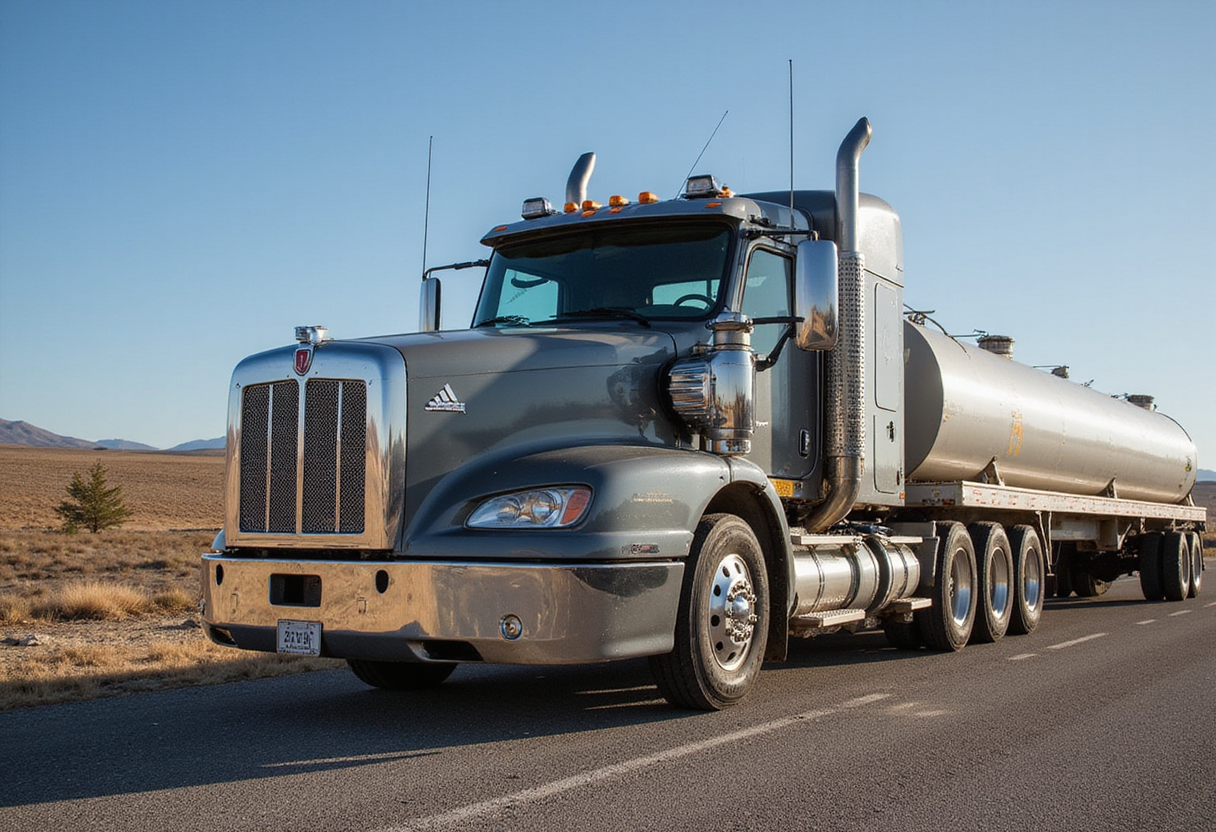
Energy Transfer has agreed to acquire Vaquero Midstream for $2.625 billion, according to the Midland Reporter-Telegram, in a deal that adds midstream infrastructure in the Permian basin to one of the largest US pipeline and processing portfolios.
The transaction targets Vaquero's midstream position, built around gas gathering and processing capacity serving Delaware basin producers. Energy Transfer, operator of more than 140,000 miles of pipeline across 44 states, will fold the acquired assets into its existing Texas and New Mexico footprint.
The $2.625 billion price tag ranks among the larger Permian midstream transactions of the current consolidation cycle, as producers and infrastructure operators continue to pair acreage with takeaway and processing capacity.
What does the deal signal for Permian midstream?
The acquisition extends a run of consolidation across the Delaware and Midland basins, where gas handling capacity has become the binding constraint as associated gas volumes climb with crude output. Midstream operators with processing and gathering scale close to the wellhead are commanding premium valuations.
For Energy Transfer, the purchase deepens a portfolio that already spans natural gas liquids, interstate pipelines, and export terminals along the Gulf Coast. Integrating Vaquero's gathering systems shortens the link between Permian production and Energy Transfer's downstream takeaway options.
Buyers in this cycle have consistently paid for installed capacity rather than greenfield construction, given permitting timelines and labor costs. The price paid per unit of throughput — a metric analysts will scrutinize once Energy Transfer discloses Vaquero's volumes — will test whether the consolidation premium has widened further.
How does the deal fit Energy Transfer's buildout?
Energy Transfer has spent the past several years expanding across the value chain, from wellhead gathering in the Permian to NGL fractionation and LNG-linked export demand on the coast. Adding Vaquero's assets strengthens the inlet side of that system.
Analysts following midstream M&A treat bolt-on gathering deals as the lowest-risk route to volume growth: the acreage is dedicated, the plants are running, and the capital is already spent. The open question for any acquirer is contract structure — fee-based versus commodity-exposed — which determines how the deal cash-flows through a weaker gas price environment.
Energy Transfer has not yet detailed the financing mix, expected close date, or the throughput and processing capacity figures attached to the acquired assets. Those disclosures, typically filed with the deal's closing documents or the next earnings call, will anchor the market's read on valuation.
What comes next?
Watch for regulatory review timing under Hart-Scott-Rodino, the transaction's expected closing window, and any volume or EBITDA guidance Energy Transfer attaches to Vaquero's gathering and processing systems. The deal's effective multiple — price against contracted throughput — will set the reference point for the next round of Permian midstream sales.
via Google News: Pipelines and midstream (Source)