Well report No. RR-8258 · T4N · R42W · SEC 4 · filed October 14, 2026
Energy Transition in OilWell report
ENGIE and CMA CGM Plan 7,000-tpa Biomethane Plant at Le Havre
ENGIE and CMA CGM will jointly develop a 7,000-tpa biomethane plant in Le Havre's port zone, cutting 23,000 tpa of CO2 and fuelling LNG vessels from 2029/30.
Field notes
- The Le Havre plant will produce 7,000 tpa of biomethane, roughly 100 GWh, from 2029/30.
- The project is forecast to eliminate around 23,000 tpa of CO2.
- ENGIE targets 10 TWh of annual biomethane capacity in Europe by 2035, up from 1.2 TWh today.
- CMA CGM expects more than 200 dual-fuel vessels in service by 2030.
- The facility will also yield 100,000 tpa of digestate and roughly 13,000 t of biogenic CO2.
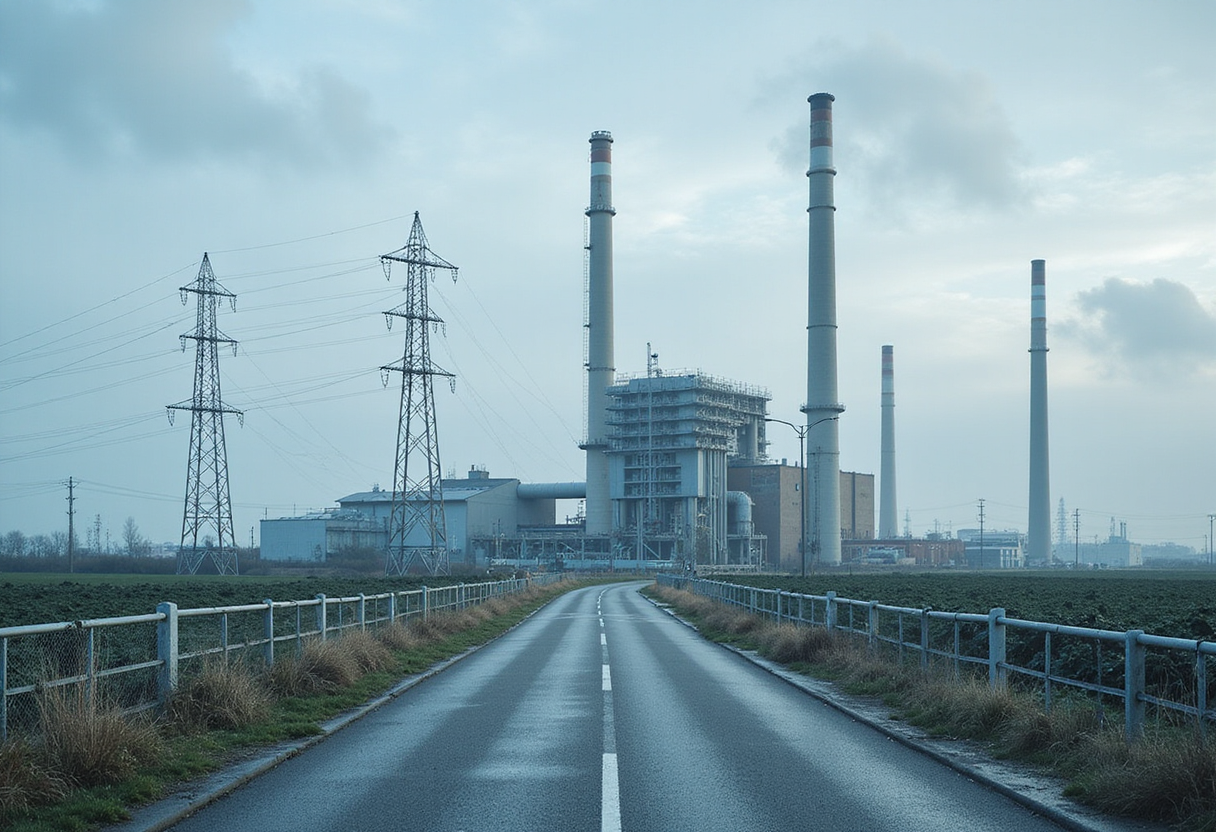
ENGIE and CMA CGM have signed a framework agreement to build a 7,000-tonne-per-year biomethane plant in Le Havre's industrial port zone, with startup pencilled in for 2029/30. The output equals roughly 100 GWh of renewable gas. That is the operational number that carries the story. It is also, notably, pre-final investment decision.
What does the deal actually sanction?
Not the plant, yet. ENGIE will handle development, technical design and permitting. Only after a final investment decision does the utility take on construction and operations. CMA CGM joins as a minority co-investor through PULSE, its dedicated fund for clean energy technologies and decarbonisation infrastructure. The agreement extends a partnership the two companies launched in 2021.
The feedstock mix is conventional: livestock waste, household biowaste and agricultural residues. The partners claim the method cuts life cycle greenhouse gas emissions by at least 67% against traditional marine fuels. That figure is company commentary, not an audit.
ENGIE CEO Catherine MacGregor said: "With the construction of this new facility, we are pursuing our ambition to expand biomethane production capacity in support of the energy transition." She added that the partnership shows how industrial and energy players "can work together to develop concrete solutions to decarbonise hard-to-electrify sectors."
The takeaway: a framework deal with real numbers, but the cheque has not been written.
How does the molecule reach the ships?
The biomethane will move through the European gas network to CMA CGM's vessels under a certified mass-balance approach. No physical pipeline runs from fermenter to quayside. Book-and-claim, in other words, with paperwork standing in for molecules.
CMA CGM will burn the gas in its liquefied natural gas-powered fleet. No engine modifications. No new bunkering infrastructure. That is the quiet advantage of biomethane over biomethanol or ammonia in the near term: drop-in compatibility for a fleet that already runs on LNG.
CMA CGM chairman and CEO Rodolphe Saadé said: "As we invest together in biomethane production in France's largest container port, Le Havre, we are pursuing our long-term vision in securing access to renewable fuels."
The takeaway: existing engines, certified accounting, fuel secured without a drydock visit.
What comes out beyond the gas?
Two by-product streams sharpen the project's economics:
- About 100,000 tpa of digestate, an organic soil nutrient for local farmers.
- Roughly 13,000 t of biogenic CO2, captured and sold commercially.
The plant is forecast to eliminate around 23,000 tpa of CO2 overall. For scale, that is the annual emissions of several thousand average European cars, removed before any credit is taken for the digestate displacing synthetic fertiliser.
The takeaway: three revenue streams beat one, and the arithmetic matters more at FID.
Where does this sit in each company's targets?
For ENGIE, the plant serves a stated goal of 10 TWh of annual biomethane capacity across Europe by 2035. Current capacity stands at 1.2 TWh. Le Havre's 100 GWh represents about one percent of the gap. The utility needs roughly eighty such plants, or a great deal more, to close it.
For CMA CGM, the deal supports a net-zero target for 2050. The carrier expects more than 200 dual-fuel vessels in service by 2030, capable of running on biomethane, biomethanol and synthetic fuels. Securing domestic supply of the first of those fuels now looks less like philanthropy and more like procurement.
Both CEOs invoked energy sovereignty. In the trade, that phrase usually means European fuel for European ships, at European prices.
The takeaway: modest against 2035 targets, but the direction of travel is unambiguous.
The watch item
Permits first, then the final investment decision. ENGie must steer the facility through French permitting at a port zone that balances industrial, agricultural and municipal interests. Watch for the FID announcement and any capacity revision before then. Until the board signs, 7,000 tpa remains a plan on paper with good manners.
via Offshore Technology (Source)
More from Daniel Okafor
Show full bio
Market editor covering companies, deals and strategy in Oil and gas industry operations and markets at Rig & Refinery.
432 articles
Adjoining reports
- Pathways CCS Decision Slated for Late 2027 as Scope Cut to 6 Million Tonnes
- Pathways carbon capture project secures agreement, oilsands group says
- Pathways Alliance sets late-2027 target for carbon-capture FID
- Canada's Draft Taxonomy Opens Upstream Oil to 'Abatement' Capital
- Canada Advances Pathways Carbon Capture Project