Well report No. RR-7393 · T11N · R41W · SEC 23 · filed October 16, 2026
Gas & LNGWell report
Environmental Groups Sue Over NJ LNG Terminal Permit Extension
Environmental groups sued the regulator over its extension of the construction permit for a New Jersey LNG export terminal, putting the project's build window in legal play.
Field notes
- Environmental groups sued the regulator over an extension of the construction permit for an LNG export terminal in New Jersey.
- The suit targets the extension decision, seeking to unwind the renewed build window for the project.
- The case was reported by Inside Climate News.
- The outcome hinges on whether the court treats the extension as routine or as a decision requiring new review.
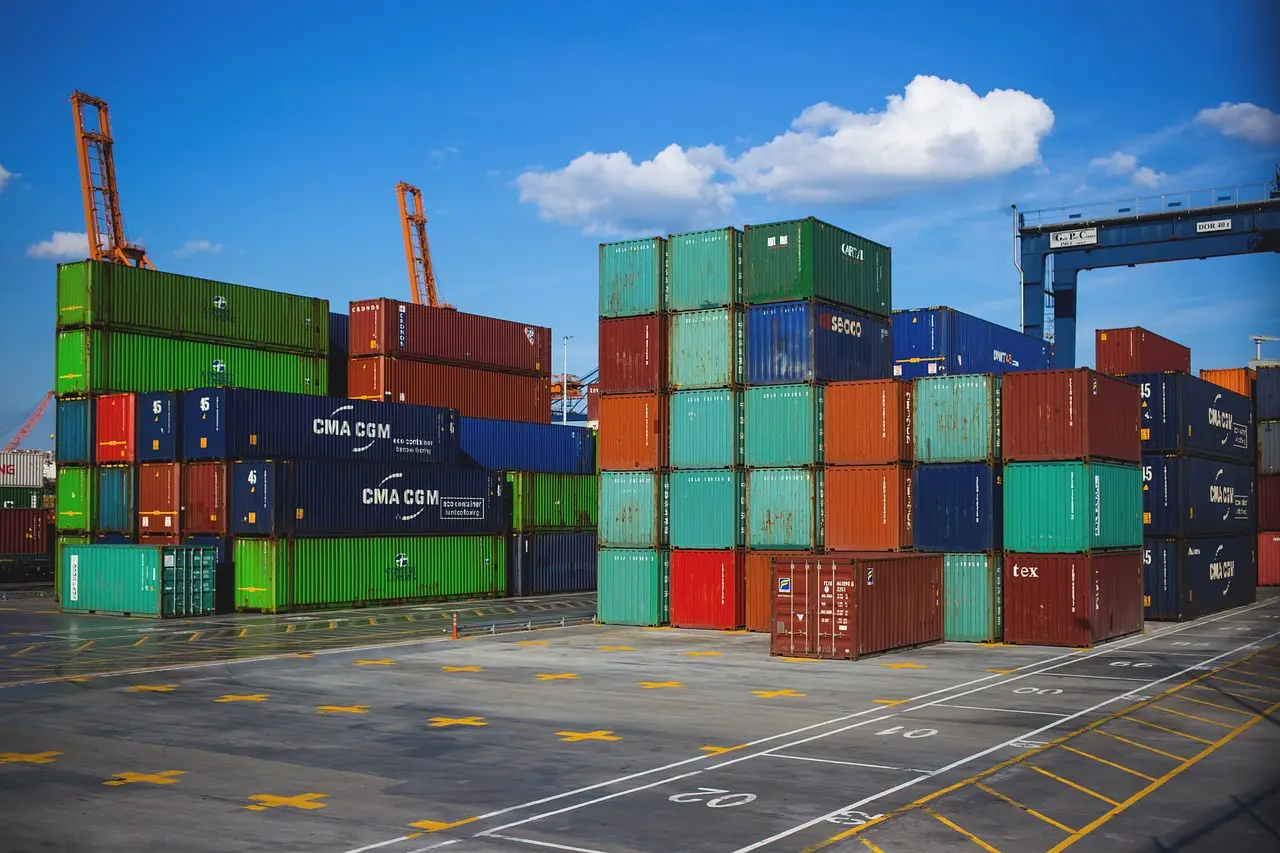
Environmental groups have sued the regulator responsible for a New Jersey LNG export terminal, challenging its decision to extend the construction permit that keeps the project's build window open.
The suit, reported by Inside Climate News, targets the agency's handling of the permit extension rather than the terminal design itself. For upstream and midstream readers, the distinction matters. A construction permit that lapses forces a developer back into procedural review; an extension keeps shovels legally in the ground. What the plaintiffs are asking the court to do is unwind that second outcome.
Why a permit extension ends up in court?
Construction permits for coastal LNG infrastructure typically carry firm validity periods. When a developer cannot complete work inside that window, it applies for an extension, and the regulator decides whether the original environmental review still holds.
Opponents argue the clock should not simply reset. Their core claim in cases of this type is that conditions on the ground, on the waterway, and in the project schedule have changed enough since the original approval that the extension amounts to a new decision, one that required fresh analysis and fresh public process.
The regulator's position, as in most extension disputes, is that the underlying project remains the same one already reviewed, and that extending the construction deadline does not enlarge its footprint or emissions profile.
What does the suit change for the project?
In the near term, likely little. Litigation of this kind rarely halts site work outright unless the court grants an injunction, and the plaintiffs would need to show irreparable harm to get one. The practical effect is uncertainty layered on the schedule.
For contractors and service companies watching the New Jersey terminal, the signals to track are concrete:
- Whether the court issues any stay on construction activity while the case proceeds
- Whether the regulator revisits or suspends the extension pending the outcome
- Whether the developer's contractors demobilize crews or hold staffing through the litigation period
Each of those moves costs money and schedule, whatever the final ruling.
The broader stakes
New Jersey's coastline has become contested ground for energy infrastructure, and LNG export capacity is the connective tissue between Appalachian supply and Atlantic-basin demand. A terminal that reaches completion adds export pull; a terminal stuck in litigation adds none.
Permit-extension fights are also a familiar lever for opposition groups. Extension decisions are narrower, faster-moving proceedings than original approvals, and they give challengers a second bite at projects they failed to stop the first time. A ruling against the regulator here would tighten that valve for every developer counting on routine extensions to absorb construction delays.
For operators, the takeaway is direct: permit timelines are no longer administrative housekeeping. They are litigation surface, and schedule slippage now carries legal risk on top of carrying cost.
What to watch
The first procedural marker is the court's response to any request for interim relief, followed by the briefing schedule on the merits. The watch item is whether the extension survives review intact, is vacated, or is sent back to the regulator for supplemental analysis, and each path leads to a different construction calendar for the terminal.
via Google News: LNG export terminals (Source)
More from James Calloway
Show full bio
Staff writer covering people, launches and day-to-day practice in Oil and gas industry operations and markets at Rig & Refinery.
532 articles