Well report No. RR-4803 · T1N · R12W · SEC 25 · filed October 30, 2026
Upstream Drilling & ProductionWell report
EPA Proposes $45bn Rollback of Oil and Gas Emissions Rules
EPA's proposed rewrite of 2024 Clean Air Act rules projects $45bn in savings and 210 million bbl of added oil output, easing burdens on marginal wells.
Field notes
- EPA projects $45bn in total cost savings and 210 million bbl of oil plus 1.41 tcf of gas from the proposed rule changes
- Marginal wells account for roughly four of every five producing US wells; the 2024 rules were estimated to cost $18bn
- EPA proposes rescinding the super emitter monitoring program and restoring 95%-efficient flaring control devices
- Zeldin first announced plans to reconsider the 2024 standards in March 2025
- Two classification alternatives offered: marginal vs. non-marginal, or conventional vs. unconventional wells
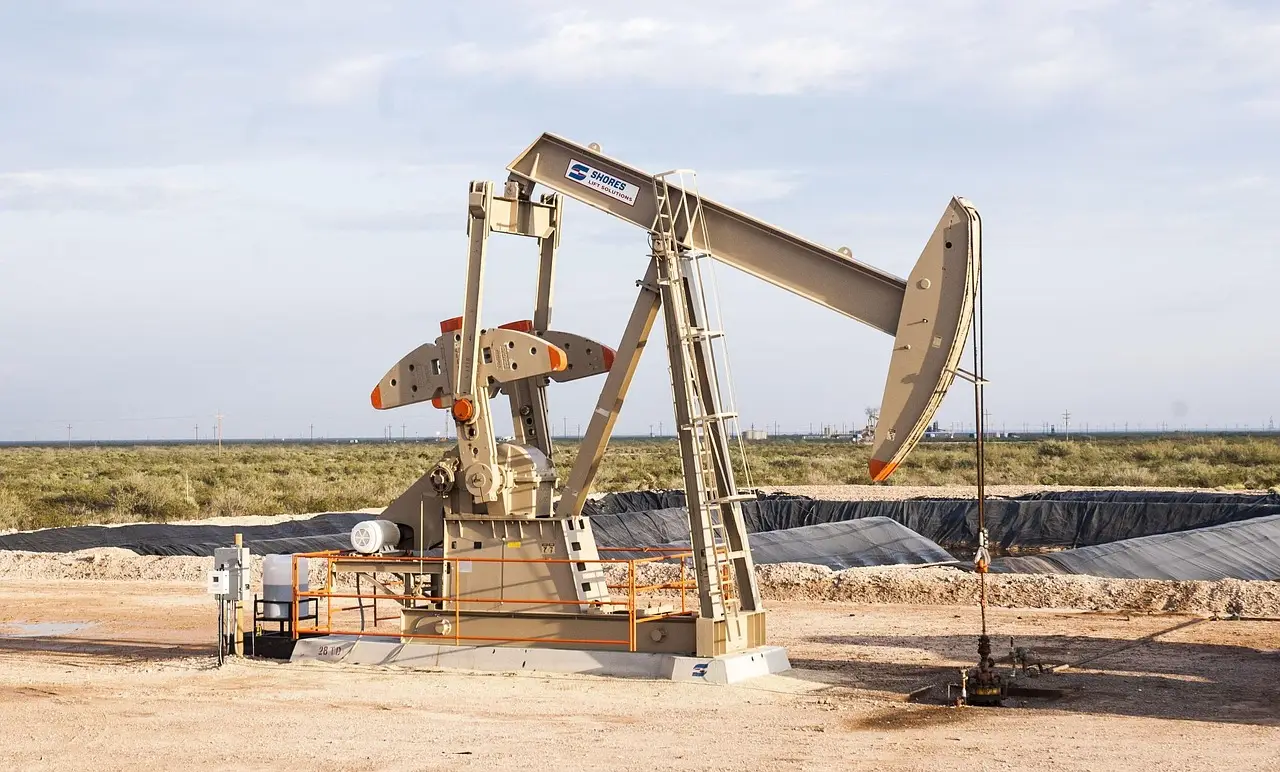
The US Environmental Protection Agency says its proposed rewrite of Clean Air Act oil and gas emissions rules will save consumers and businesses $45 billion, while unlocking roughly 210 million barrels of oil and 1.41 trillion cubic feet of natural gas that the 2024 standards would have left in the ground.
EPA Administrator Lee Zeldin announced the proposal in Lubbock, Texas, alongside President Donald Trump. The changes target rules finalized in 2024 under the Biden administration — standards the agency says carried an estimated $18 billion price tag for industry.
The regulatory burden, in EPA's telling, fell hardest on marginal wells. Those small, late-life producers account for about four out of every five producing wells in the US, and agency officials said operators had raised persistent concerns about compliance costs. The takeaway: the regulator has now formally pivoted from penalizing low-volume wells to accommodating them.
What does the proposal actually change?
At the heart of the rewrite sits a fork in the road — literally two of them. The EPA is floating two alternative approaches for classifying well sites so that regulations match the physical realities of different wells:
- Marginal vs. non-marginal. Sites would be grouped by production level, easing requirements on low-output wells.
- Conventional vs. unconventional. Sites would be split by resource type, acknowledging that a vertical well in the Permian's legacy zones behaves differently from a horizontal shale producer.
The agency has not yet picked a lane; it wants states and operators to weigh in as the rulemaking continues.
Zeldin framed the whole effort in economic terms. "Behind every barrel of oil and every cubic foot of natural gas produced in the US are millions of workers, businesses, and the heartbeat of this nation's economy," he said in Lubbock. "The Biden EPA destructively targeted all this."
He added: "When owners and operators can produce, America benefits with lower prices. That is common sense, and it's what we're delivering with this proposal."
Those production and savings figures — the 210 million barrels, the 1.41 tcf, the $45 billion — are the EPA's own projections, presented alongside the proposal rather than drawn from independent analysis. Price effects in particular remain an analyst's question, not a settled outcome.
Which programs get cut or softened?
Several familiar fixtures of the 2024 rules face the axe or the trimming shears:
- The "super emitter" monitoring program would be rescinded entirely. The EPA cited legal concerns and said existing practices already provide sufficient information to catch major emission incidents.
- Flaring rules would revert to allowing control devices with 95% destruction efficiency, restoring a standard operators argued was workable.
- Covers and closed vent systems would see design requirements separated from operational requirements, so operators can repair equipment rather than replace it wholesale.
- Monitoring of control systems would get technical revisions to emissions-tracking requirements.
Strip away the packaging and the pattern is simple: fewer prescriptive mandates, more operator flexibility, and a retreat from third-party emissions policing.
How did we get here?
The Lubbock announcement didn't come out of nowhere. Zeldin first signaled his intent to reconsider the 2024 standards in March 2025. Through 2025 and into 2026, the agency extended compliance deadlines and revised the rules around flaring and emissions reporting — incremental steps that set up this week's comprehensive proposal.
For operators holding marginal wells across basins like the Permian, Appalachia and the San Joaquin, the practical question is timing. The proposal isn't final. It carries the weight of an agency's full economic argument, but states and operators still get a say before the language hardens into regulation.
The watch item now is the comment period and finalization schedule — and whether the projected 210 million barrels survive the transition from proposal to rule.
via Offshore Technology (Source)
More from Elena Vasquez
Show full bio
News editor covering technology and product news in Oil and gas industry operations and markets at Rig & Refinery.
555 articles
Adjoining reports
- EPA Targets $45 Billion Save in Second Rollback of Methane Rules
- US atmospheric distillation capacity to decline in 2026, EIA says
- Trump Administration Targets Alaska Waters With Offshore Drilling Plan
- OPEC lifts 2027 demand forecast to 2.55 bpd as Saudi output climbs
- OPEC Trims 2026 Oil Demand Growth Outlook to 400,000 Bpd