Well report No. RR-5162 · T14N · R22W · SEC 2 · filed October 10, 2026
Refining & PetrochemicalsWell report
Fire at eastern India petrochemical plant injures at least 20
A fire at a petrochemical plant in eastern India injured at least 20 people, per the Stamford Advocate. The operator, unit, and cause had not been named. Downstream polymer buyers braced for possible supply disruption.
Field notes
- At least 20 people injured in a fire at a petrochemical plant in eastern India, per the Stamford Advocate
- Operator, specific unit, and cause of the fire not identified in early coverage
- Eastern India hosts polymer, aromatics, and refining assets serving domestic and export markets
- Indian petrochemical plant fires have historically triggered shutdowns ranging from several days to several months
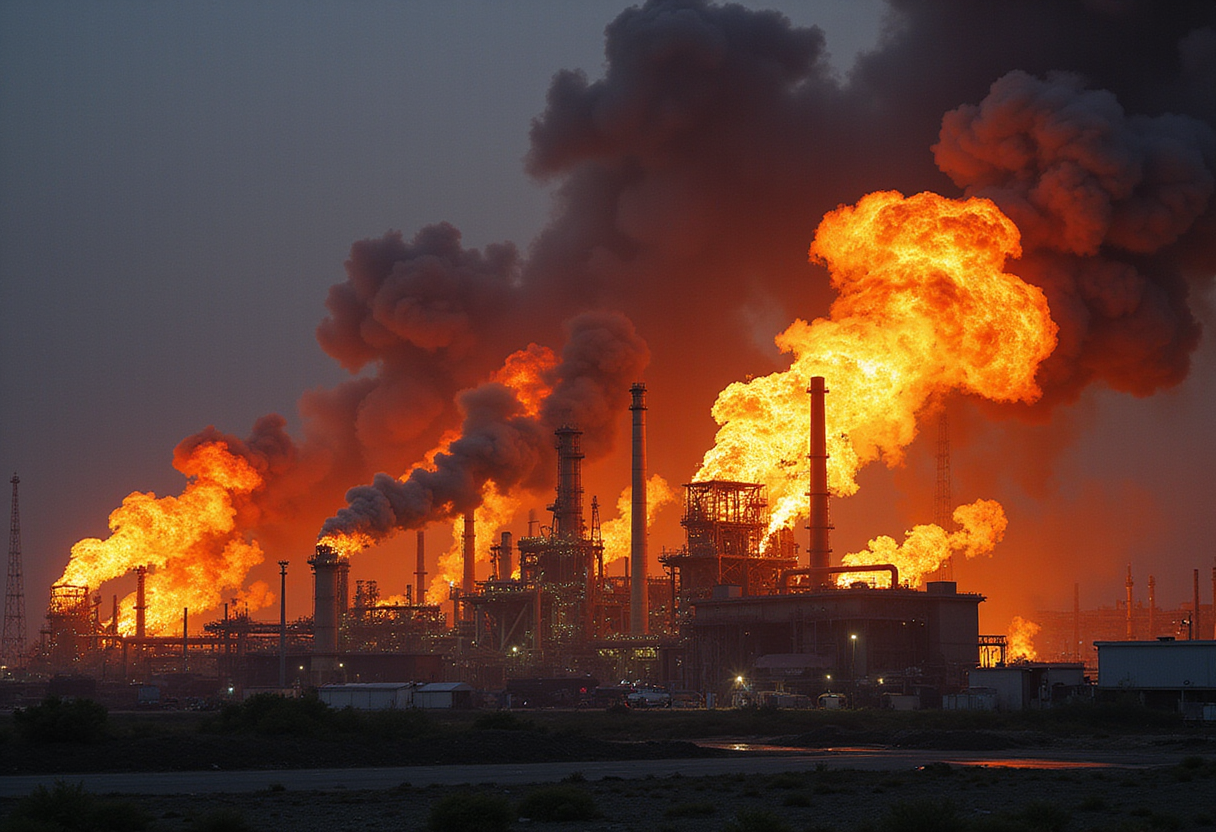
A fire at a petrochemical plant in eastern India injured at least 20 people, according to initial reports carried by the Stamford Advocate. Emergency crews responded to the facility. Early coverage did not name the operator, the unit, or the cause of the blaze.
What is known so far?
The Stamford Advocate reported a preliminary injury count of at least 20, calling it a working tally subject to revision as responders complete site triage. The plant sits in a region that includes polymer, aromatics, and refining assets serving both domestic and export markets. The report did not disclose damage to storage, reactor, or utilities infrastructure. Indian emergency protocols typically call for site stabilization, search-and-rescue, and hazard containment as the first priority before any investigation work begins. Hospital admissions and burn injuries will likely shape the early casualty picture.
Which operator and assets are involved?
Early reporting did not name the operator of record. Eastern Indian states — including Odisha, West Bengal, and Andhra Pradesh — host multiple petrochemical complexes, many operating under the federal Petrochemical Investment Region framework or state-level industrial incentive schemes. Until the company confirms its identity, downstream buyers cannot determine which product lines face supply disruption. Polymer, intermediates, and specialty chemical chains typically run from facilities of this scale, feeding packaging, automotive, textiles, and construction sectors across South Asia. State emergency operation centers usually issue the first formal operator name within hours of an incident.
What are the likely operational implications?
Petrochemical plant fires in India have historically triggered shutdowns ranging from several days to multi-month turnarounds, depending on the unit affected. Cracker, reformer, and polymerization units often require inspection and re-commissioning before restart, while tank farm damage can extend outages by weeks. Insurance assessors and state factory inspectorates typically arrive within 48 to 72 hours of an incident of this scale to begin root-cause work. The restart sequence — nitrogen purge, leak check, recommissioning of utility systems, and catalyst reloading — can add further weeks. For buyers, this can translate to allocation requests, spot price moves on affected grades, and rerouting through alternate domestic or import supply.
Where does this fit the sector's safety record?
India's petrochemical sector has recorded several major fires in recent years, with reviews of process safety management following each event. The Directorate of Industrial Safety and state pollution control boards typically lead inquiries, while the operator conducts its own internal investigation. Findings shape restart conditions, enforcement actions, and operating guidance for similar plants in the region. Trade bodies such as the Indian Chemical Council have called for tighter process safety standards, particularly at older units in coastal and inland industrial clusters where turnaround cycles have stretched. Each incident tends to reset the inspection cadence across peer facilities.
The watch item
Operators, buyers, and regulators will track several data points: operator identification, confirmed casualty count, and a statement on the affected unit's restart timeline. Plant owners typically issue initial damage assessments within 48 to 72 hours, followed by insurance loss estimates and regulatory notices. Downstream polymer and intermediate buyers should watch for force majeure declarations or allocation notices once the operator steps forward. The state pollution control board's preliminary inspection findings will also set the pace of any restart clearance.
via Google News: Refineries and petrochemicals (Source)
More from James Calloway
Show full bio
Staff writer covering industry trends and analytics at Rig & Refinery.
384 articles
Adjoining reports
- Blast Reported at Mangalore Refinery and Petrochemicals Complex
- Explosion at MRPL Refinery in Mangaluru Kills One, Injures Nine
- Two Dead in Andhra Pradesh Boiler Blast; Eight Injured at Mangaluru Refinery
- Mangaluru refinery blast kills one worker, cause undisclosed
- Fire at MRPL coker-adjacent unit kills one worker, injures another