Well report No. RR-2150 · T6N · R9W · SEC 18 · filed September 30, 2026
Petroleum MarketsWell report
Gulf Tanker Operators Say Regional Waters No Longer Safe for Crude Exports
Shipowners quoted by The New York Times say Gulf waters are no longer safe, narrowing export options for the world's key crude loading region and its tanker routes.
Field notes
- The New York Times reports Gulf tanker operators are running out of viable export routes for oil.
- One operator is quoted saying: "These waters aren't safe."
- The reporting reflects shipping-side risk commentary; no producer has announced loading delays or force majeure.
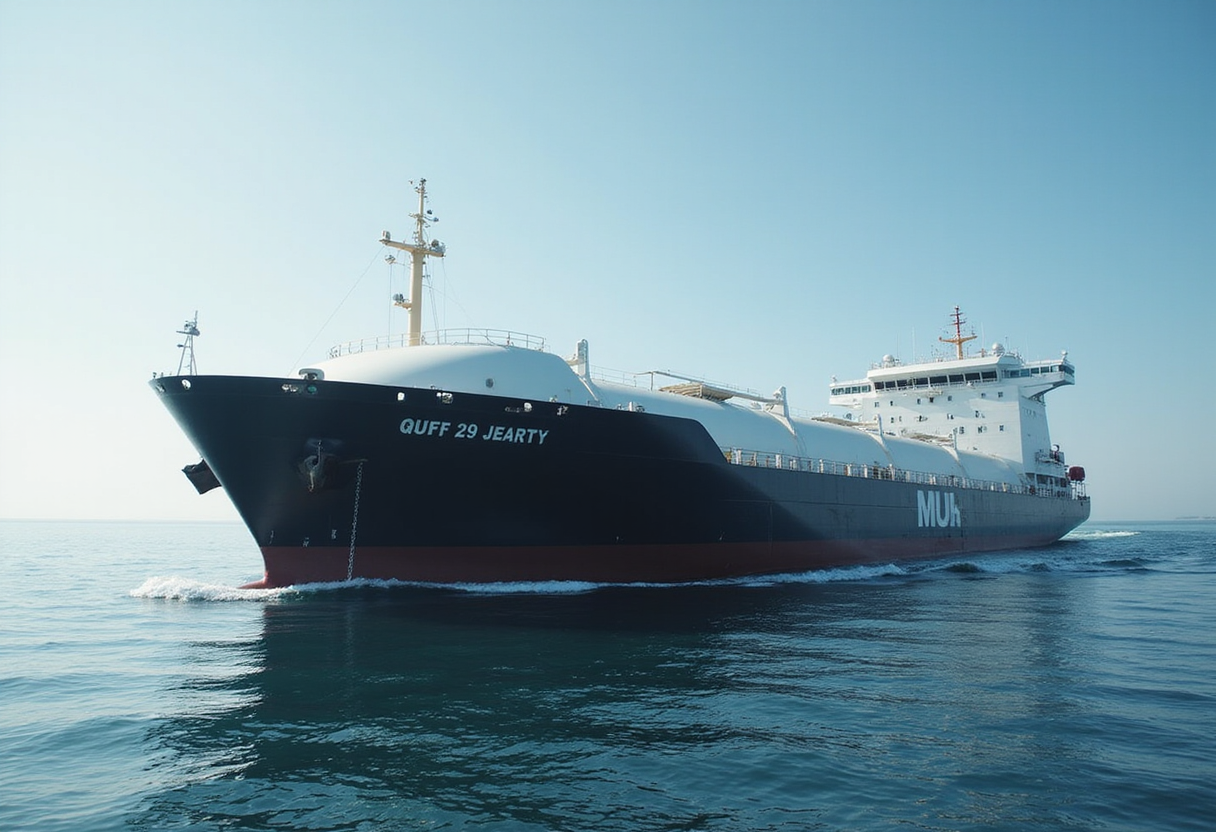
Shipowners moving crude out of the Gulf say they are running out of viable export routes, with one operator quoted by The New York Times stating plainly: "These waters aren't safe."
The assessment, reported by the newspaper, signals a shift in how tanker operators view the security of the Gulf, the world's most important crude export chokepoint and the loading gateway for grades such as Arab Light, Basrah Medium and Upper Zakum. The NYT report frames the situation as a narrowing of options: owners who would normally bid on Gulf liftings are finding fewer corridors they consider workable.
For refiners in Asia and Europe that depend on Gulf barrels, the commentary matters because it comes from the shipping side of the supply chain rather than from producers or traders. When owners describe waters as unsafe, the effect typically shows up first in freight rates and insurance premia, then in the willingness of charterers to fix vessels at all. The NYT piece does not quantify rate movements, and no specific owner, fleet size or cargo volume is named in the headline reporting.
The quoted remark — "These waters aren't safe" — is attributed by the newspaper to a voice from within the tanker community. It is commentary, not a measurement, and should be read as such. But its appearance in print underscores how far the risk calculus has moved for a waterway that handles a large share of seaborne crude trade, including volumes transiting the Strait of Hormuz.
No producer has announced output cuts, loading delays or force majeure at any Gulf terminal in connection with the reporting. The story's substance sits at the maritime layer: routing, owner appetite and the practical question of which export paths remain open if operators continue to curtail activity.
The New York Times headline itself carries the operative claim — that Gulf tankers "are running out of ways to export oil." If owners sustain that position, the pressure point to watch is the loading schedule at the region's principal terminals and the premium the market demands to keep barrels moving.
via Google News: Pipelines and midstream (Source)