Well report No. RR-3491 · T19N · R17W · SEC 31 · filed November 3, 2026
Petroleum MarketsWell report
Hormuz Flows at 12 Million Bpd, Far Below 18 Million Pre-War Mark
Persian Gulf exports through Hormuz averaged about 12 million bpd in September and early October, Rystad says — well up from conflict lows but far below the 18 million bpd pre-war mark.
Field notes
- Persian Gulf crude exports averaged nearly 12 million bpd in September and the first 20 days of October, Rystad Energy estimates.
- Pre-war Hormuz flows stood at approximately 18 million bpd.
- Rystad sees a limited U.S.-Iran deal possible by mid-2027 but calls a comprehensive settlement unlikely within the coming year.
- Attacks on tankers near the strait have increased in recent weeks even as flows recovered.
- Oil prices rebounded Tuesday from Monday's 7% loss after a report of a U.S. strike on Iran's Qeshm Island.
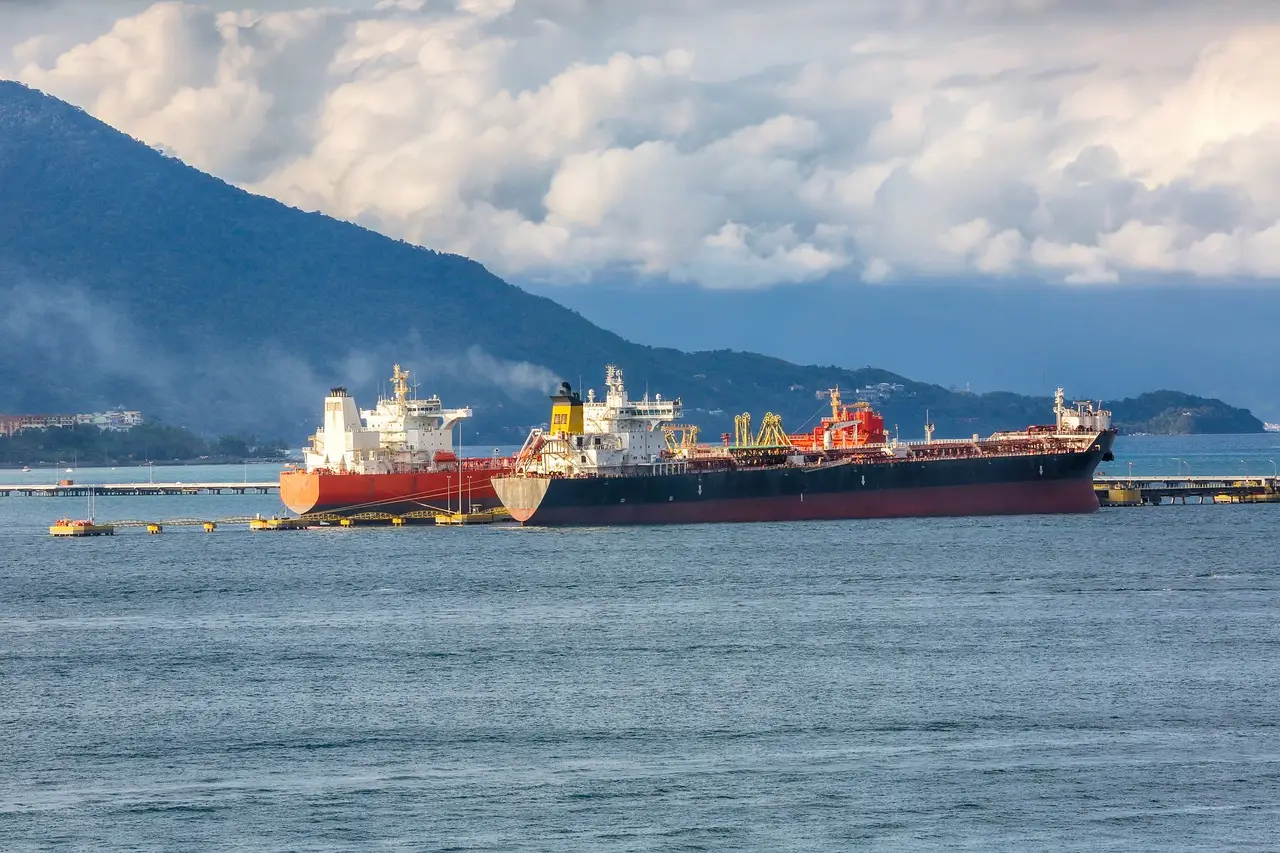
Roughly 12 million barrels per day moved out of the Persian Gulf through the Strait of Hormuz in September and the first 20 days of October — a solid rebound from the lows of the spring, but still a third short of the roughly 18 million bpd the waterway carried before the conflict began.
That's the core of a new assessment from Rystad Energy, the energy intelligence firm, whose geopolitical team led by Head of Geopolitical Analysis Jorge León argues the market should stop waiting for a quick return to normal. The report, cited by Azeri news agency Trend, sketches a recovery that keeps grinding forward without ever quite arriving.
What's holding the recovery back?
Rystad's starting point is political. The firm sees a realistic path to some form of limited agreement between the United States and Iran by mid-2027, which would let Hormuz flows continue their gradual climb. But a genuine settlement is a much heavier lift.
“Achieving a comprehensive settlement would require addressing issues related to Iran's nuclear program, sanctions, Tehran-backed armed groups in the region, and the security of maritime shipping, while also taking into account Israel's security interests,” the report reads.
The analysts' verdict on that list is blunt: “We consider it unlikely that all these points of contention can be resolved within the coming year.”
In plain terms, the shipping lanes heal, the politics don't.
Are the tanker lanes actually safer?
Here the numbers and the security picture diverge, and it's the more worrying half of the story. Flows through the strait have recovered substantially from their spring lows, yet Rystad says the security situation in and around Hormuz has deteriorated, with a higher number of attacks on tankers in recent weeks.
So more oil is moving through a corridor that is, by the firm's reading, more dangerous than it was months ago. For charterers, insurers and refiners dependent on Gulf grades, that combination matters more than the headline export figure.
Where does the near-term risk sit?
The report flags one specific flashpoint: renewed military escalation after the U.S. midterm elections.
The market got a taste of that this week. On Tuesday, as voting opened on the U.S. East Coast, oil prices rebounded from Monday's 7% drop after a Wall Street Journal report of a U.S. strike on Iran's Qeshm Island, which sits in the Strait of Hormuz itself. A single headline moved crude by percentage points — a reminder of how tightly the market is wired to the strait.
Rystad's wider view is that the Middle East will remain far from normal next year, even if a limited U.S.-Iran understanding eventually materializes. Fundamental differences between Washington and Tehran persist, and the firm treats them as structural, not seasonal.
The takeaway for anyone pricing freight or planning crude slates: Hormuz barrels are flowing again, but nobody at Rystad expects them back at pre-war volumes in a normalized trade flow anytime soon.
The watch item is the timing of any U.S.-Iran accord — Rystad pencils in mid-2027 at the earliest — and whether post-midterm escalation sets the recovery back before then.
via trend.az (Original)
More from Elena Vasquez
Show full bio
News editor covering technology and product news in Oil and gas industry operations and markets at Rig & Refinery.
574 articles
Adjoining reports
- Brent Holds Above $107 as US-Iran Talks Stall Over Hormuz
- Oil Rises as Iran Threat to Widen War Dims Hormuz Deal Hopes
- Oil Climbs as Iran Holds Firm on Strait of Hormuz Demands
- Iran Threatens Regional Energy Infrastructure as Hormuz Standoff Persists
- U.S., Iran Revive June Deal Framework for Hormuz Reopening