Well report No. RR-6981 · T17N · R42W · SEC 5 · filed November 10, 2026
Gas & LNGWell report
IEEFA Pushes Back on Carving WA Out of Federal Gas Reservation
IEEFA says AEMO's 2028 WA shortfall forecast shows the state scheme needs federal backup, as LNG exporters delivered just over half of required domestic volumes by 2023.
Field notes
- AEMO forecasts WA gas shortfalls as soon as 2028 despite the state reservation scheme.
- WA LNG exporters supplied just over half of required domestic volumes by 2023; Pluto delivered under 4% of production against a 15% requirement.
- IEEFA estimates almost 280 million tonnes of new global LNG capacity comes online by 2031.
- Woodside's Browse project remains unsanctioned, with seven JV partners and gas likely four times costlier than existing domestic supply in Perth.
- No company has booked commercially recoverable reserves in the Canning Basin.
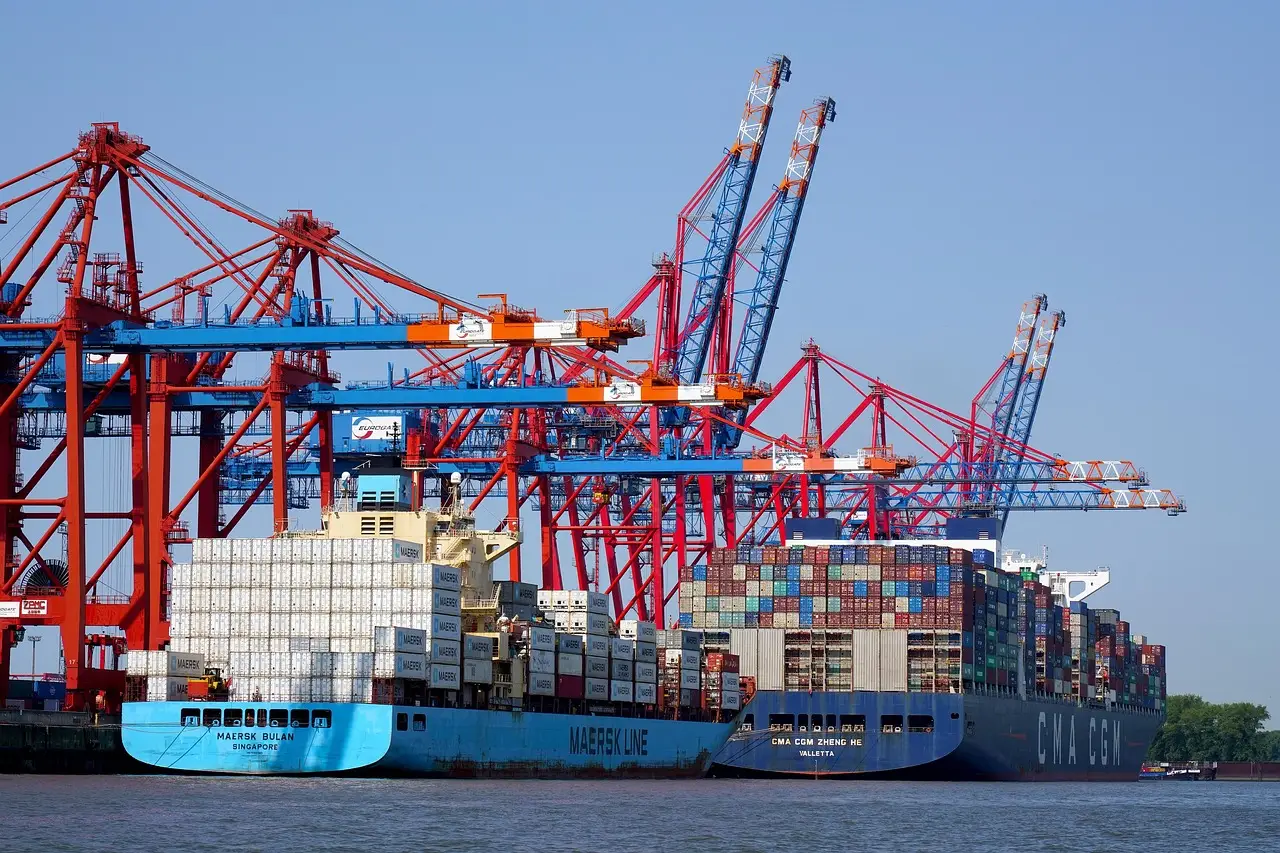
AEMO forecasts Western Australian gas shortfalls as soon as 2028, and the Institute for Energy Economics and Financial Analysis says the state's reservation framework cannot close that gap without federal help.
IEEFA issued the assessment as calls grow for WA to be carved out of the upcoming federal gas reservation scheme, on the argument that the state already runs its own domestic supply policy. Josh Runciman, IEEFA's lead analyst for Australian gas, rejects that reasoning.
"There are growing calls for Western Australia to be carved out of the upcoming federal gas reservation scheme given it has its own framework in place, but the reality is WA's framework has serious limitations that has the Australian Energy Market Operator (AEMO) forecasting shortfalls," Runciman said. "The Australian government should retain the ability to intervene if needed to protect domestic gas-using industries."
His bottom line: "Extending the federal gas reservation policy to WA is the state's best hope to avoid shortfalls in the coming years while keeping gas prices down."
Why does IEEFA say the WA policy falls short?
The state scheme obliges LNG exporters to supply domestic markets, but it sets no timetable. Companies can deliver their required volumes at any point during a project's life, which lets obligations drift.
The results show. LNG exporters supplied just over half of their required domestic volumes by 2023. Woodside's Pluto facility is the outlier case: it has reportedly supplied less than 4% of its gas production domestically, well below the 15% requirement.
A federal scheme could fix the timing problem by specifying annual delivery volumes, IEEFA argues — a complement to the state policy, not a duplicate.
The shortfall fix is small in volumetric terms. IEEFA analysis shows diverting modest amounts of gas that would otherwise go to spot LNG sales — cargoes outside existing long-term contracts — would be enough to avert the projected shortfalls. That could happen within current WA supply requirements if federal policy required delivery in shortfall years.
What about Browse?
Pinning WA's supply security on Woodside's Browse gas project carries risk. The project is not sanctioned — no final investment decision has been taken — and remains uncertain.
Cost is the second problem. IEEFA cites estimates placing Browse among the most expensive 30% of the world's undeveloped gas resources. Gas delivered to Perth from Browse is likely to cost four times more than existing domestic gas, which could depress industrial demand by raising prices. Diverting gas from existing fields would be far cheaper for WA users.
Governance adds a third risk. Browse has seven joint venture partners across multiple countries, and alignment may prove difficult. China's LNG contract surplus could shape the position of JV partner PetroChina when the sanction decision comes.
Is fracking the Kimberley a fallback?
WA Premier Roger Cook argued that without Browse, the state could be forced to frack the Canning Basin in the Kimberley. IEEFA calls that route highly risky.
No company has booked commercially recoverable reserves in the basin. The one operator still actively focused on fracking there is waiting for approval to drill initial appraisal wells — the work that determines commercial viability. Others have looked and walked away. Proving the resource would take years and many millions of dollars, with hundreds of millions more needed for pipeline infrastructure to connect to the WA grid.
What does the demand side look like?
The wider LNG market context weakens the case for new WA export projects, IEEFA says. A supply wave from the United States, Qatar and elsewhere will add almost 280 million tonnes of new LNG capacity by 2031, by IEEFA's estimate — a figure that now includes LNG Canada's recent expansion decision.
Demand signals point the other way. The second global LNG shock in under five years has hit demand growth in Asia, the sector's key growth market. An IEEFA review of planned LNG power and import projects in key markets found the majority cancelled or stalled, driven by LNG volatility and cost — and by falling renewable costs. Wood Mackenzie now finds four-hour battery storage cheaper than gas peaking in every country it assessed.
Buyer behaviour compounds the risk. Japan, historically Australia's largest LNG customer, is reselling large volumes of Australian LNG into other markets as its imports fall. Chinese buyers are also reselling, as contract portfolios outpace weak demand undercut by cheaper domestic production and pipeline imports. Chinese resales could deepen a looming supply glut and erode exporter returns.
For WA gas users, the takeaway is that timing rules, not new basins, decide whether 2028 arrives with supply on hand — and the federal scheme's treatment of WA is the file to watch.
via ieefa.org (Source)
More from James Calloway
Show full bio
Staff writer covering people, launches and day-to-day practice in Oil and gas industry operations and markets at Rig & Refinery.
587 articles
Adjoining reports
- Australia to Require LNG Exporters to Reserve Up to 20% of Output
- East African crude: Lowy flags a lever against Asian grip on Australia
- Australia's Refining U-Turn Faces Hurdles on Path to Restart
- OPEC's Al Ghais rejects IEA glut forecast as Hormuz traffic resumes
- EIA: US natural gas exports set to climb nearly 30% by 2027