Well report No. RR-5430 · T6N · R28W · SEC 6 · filed October 20, 2026
Midstream & PipelinesWell report
Kazakhstan-China Line Moved 14.8 Million Tonnes in Nine Months
The Kazakhstan-China crude pipeline moved 14.8 million tonnes of oil in nine months, Trend reported — roughly 400,000 bpd from the Caspian basin eastward to Chinese refineries.
Field notes
- Kazakhstan-China pipeline transported 14.8 million tonnes of oil in nine months (Trend News Agency).
- Nine-month volume equates to roughly 109 million barrels, an average near 400,000 bpd.
- The Atakty–Alashankou route links Caspian-basin production to China's northwestern refining system.
- Straight-line annualisation projects just under 20 million tonnes for the full year.
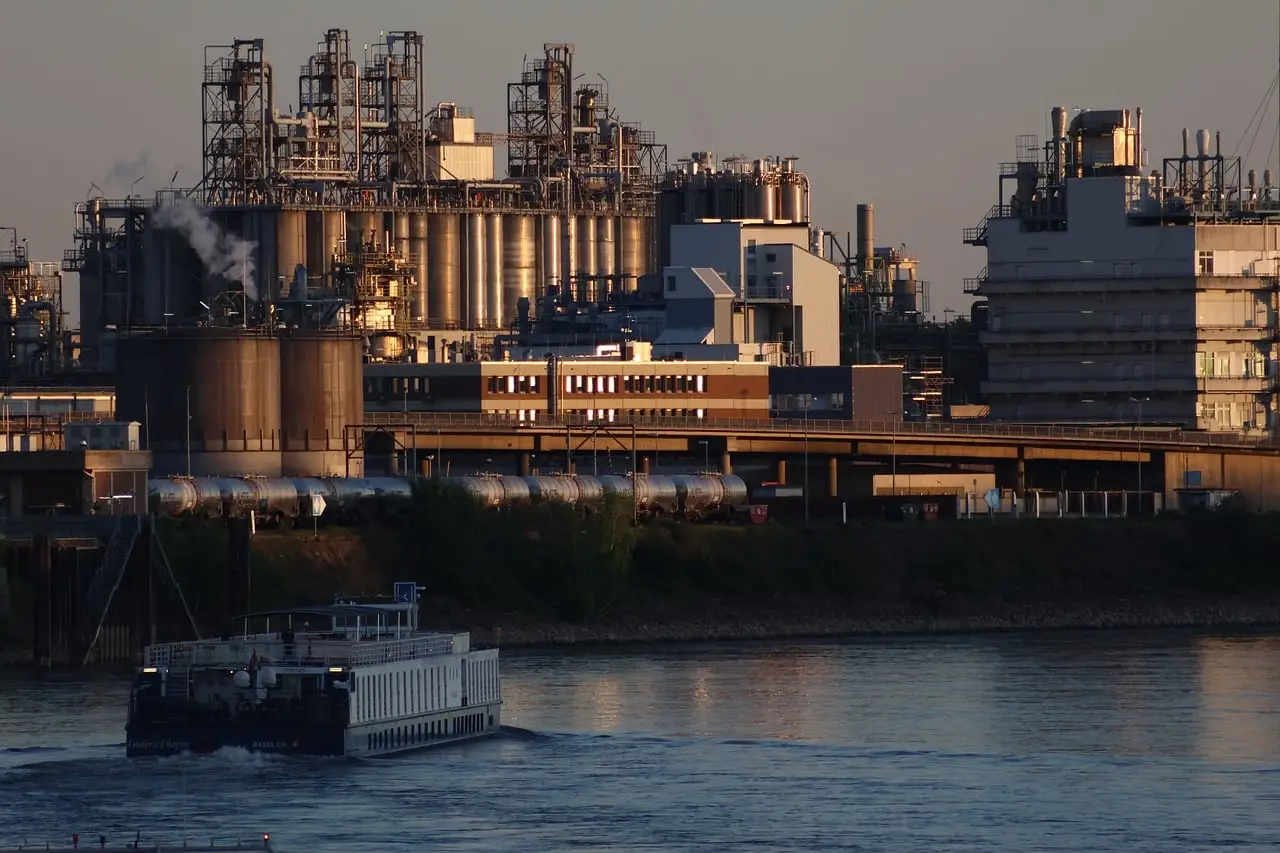
The Kazakhstan-China crude pipeline carried 14.8 million tonnes of oil over the first nine months of the year. Trend News Agency reported the figure. That is the whole story, and it is a serviceable one.
The number translates roughly to 109 million barrels, given a conversion of about 7.3 barrels per tonne of crude. Spread across 273 days, it implies an average throughput near 400,000 barrels per day. The line's nameplate capacity, for those keeping score at home, sits above that figure.
What is the Kazakhstan-China pipeline, exactly?
It is the 2,800-kilometre conduit that runs from Atakty in western Kazakhstan to Alashankou on the Chinese border. From there the crude feeds China's northwestern refining complex. KazMunayGas and China National Petroleum Corp. share ownership of the asset through a joint venture.
The route exists to move Kazakh crude east without touching a tanker or a transit state. It does that job. It has done it since 2006.
For scale: 14.8 million tonnes over nine months is roughly the annual oil consumption of a mid-sized European economy arriving in Xinjiang by pipe rather than ship. The comparison is imprecise. The direction of travel is not.
The takeaway: Kazakhstan's eastern export artery is running at a steady, commercially unremarkable, entirely useful clip.
Why does a nine-month number matter?
Because throughput on this line is a proxy for two things at once. First, Kazakh production discipline — the barrels have to come from somewhere, and that somewhere is chiefly the fields of the Caspian basin. Second, Chinese refining appetite at the inland margins of that country's system, where the coastal teapot narrative does not reach.
A nine-month figure also allows simple annualisation. Fourteen-point-eight over three quarters projects to just under 20 million tonnes for the full year if the fourth quarter behaves. The fourth quarter does not always behave. Turnarounds, winter logistics and allocation decisions can shave the run rate.
There is no indication in the reported figure of any outage, force majeure or OPEC-related curtailment. Absence of drama is itself the signal.
The takeaway: the line's operators appear to have had nine uneventful months, which in pipeline operations is a compliment.
What should readers watch next?
Watch the full-year total. If it clears 19.5 million tonnes, the annualised run rate holds. If it lands materially below the straight-line projection, something interrupted the fourth quarter and the operational notes will say what.
Watch Kazakh production data from the statistics agency. Pipeline throughput cannot exceed wellhead supply for long. The two series historically move together within a modest margin.
Watch Chinese refinery runs in the northwest, where Alashankou barrels land. Chinese crude import data, published monthly, offers the demand-side counterweight to this supply-side figure.
And watch the competition for route share. Kazakh crude can move east by pipe, west through the Caspian Pipeline Consortium to Novorossiysk, or by other paths less discussed. Allocators respond to netbacks. Netbacks respond to freight and discounts. None of that appears in a nine-month tonnage statement, and all of it sits behind one.
The takeaway: a single throughput number is a snapshot; the allocation decisions behind it are the film.
The verdict
Fourteen-point-eight million tonnes in nine months. Roughly 400,000 barrels per day, every day, from the Caspian basin to Chinese refineries, through one pipe.
It is not a record claim, a capacity milestone or a policy pronouncement. It is a pipeline doing what it was built to do, at a pace within its design envelope. Trade journalism covers the spectacular. The steady tonnage deserves an occasional paragraph too.
This is that paragraph.
via Google News: Pipelines and midstream (Source)
More from Daniel Okafor
Show full bio
Market editor covering companies, deals and strategy in Oil and gas industry operations and markets at Rig & Refinery.
514 articles
Adjoining reports
- Kazakhstan Plans Near 30 Million Tonne Refining Build by 2031
- Kenkiyak-Atyrau Pipeline Volumes Jump 13% in Kazakhstan
- Kenkiyak-Atyrau Pipeline Lifts Kazakh Oil Transport 13%
- KazTransOil Lifts CPC-K Feed Volumes 42% in January–September
- CPC completes scheduled maintenance on Kazakhstan section of pipeline