Well report No. RR-2770 · T2N · R22W · SEC 26 · filed October 1, 2026
Refining & PetrochemicalsWell report
Kenya's Treasury Chief Denies President Holds Stake in Ksh.2 Trillion Dangote Lamu Refinery
Treasury CS John Mbadi denies President Ruto holds shares in the planned Ksh. 2 trillion Dangote-backed refinery at Lamu, as scrutiny of the project's ownership grows.
Field notes
- Treasury CS John Mbadi says President Ruto holds no shares in the Ksh. 2 trillion Dangote Lamu refinery project.
- The planned refinery would sit at Lamu on Kenya's coast, site of the LAPSSET corridor port.
- No confirmed capacity, FID status or commissioning date for the project has been disclosed in the reporting.
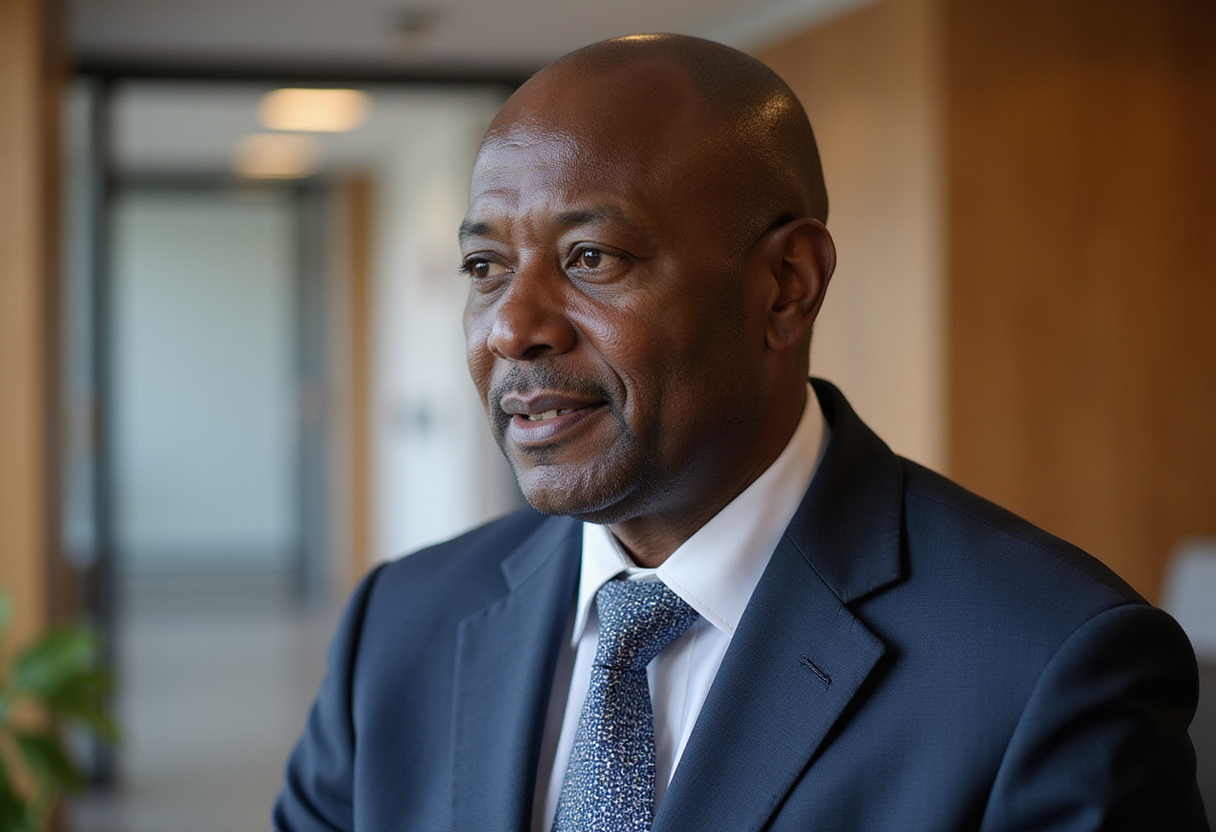
Kenya's Treasury Cabinet Secretary John Mbadi has publicly rejected claims that President William Ruto holds shares in the planned Ksh. 2 trillion Dangote refinery at Lamu, on the country's Indian Ocean coast.
The denial, reported by Citizen Digital, addresses speculation that has circulated around the ownership structure of one of the largest industrial projects proposed for East Africa. At current exchange rates, the Ksh. 2 trillion figure cited in Kenyan media coverage translates to roughly $15 billion of planned investment.
The project takes its name from Aliko Dangote, the Nigerian industrialist whose Dangote Group built and commissioned the 650,000-bpd Dangote refinery outside Lagos in Nigeria — the largest single-train refinery in the world. The Lamu scheme is anchored to Kenya's coastal hub, where the country operates the Lamu Port under the LAPSSET transport corridor programme.
Mbadi's statement puts an official line between the head of state and any equity position in the venture. The Treasury has not, in the reporting carried so far, detailed the full shareholder register of the project or specified which parties hold what percentage of the proposed refining company. That leaves open the same question the Cabinet Secretary's remarks were intended to close: who exactly stands behind the Ksh. 2 trillion capital plan.
For the downstream desk, the significance is twofold. First, a refinery of this scale at Lamu would reshape regional product supply across East Africa, where Kenya, Uganda, Tanzania and landlocked neighbours currently depend on imports routed largely through Mombasa and, increasingly, through alternative corridors. Second, the political scrutiny now attached to the project's ownership signals that financing and permitting conversations in Nairobi will play out under public pressure — a factor that has delayed or derailed mega-projects elsewhere on the continent.
No commissioning date, crude slate, configured capacity in barrels per day, or final investment decision status has been confirmed in the source reporting for the Lamu facility. Until the sponsor discloses those numbers, the project sits firmly in the pre-sanction category, and capacity figures circulating in commentary should be treated as unconfirmed.
What to watch: whether the project's promoters publish an ownership and financing structure that withstands the scrutiny Mbadi's statement has invited, and whether an FID timeline for the Lamu refinery follows.
via Google News: Refineries and petrochemicals (Source)