Well report No. RR-8257 · T15N · R10W · SEC 3 · filed October 10, 2026
Midstream & PipelinesWell report
Libya Oil Pipeline Back in Service After Armed Group Blockade Ends
A Libyan oil pipeline has resumed operations after an armed group blocked the line, restoring a key crude evacuation route in the conflict-prone OPEC producer.
Field notes
- Libyan oil pipeline reopened after being blocked by an armed group
- Blockade halted flows along a crude evacuation route before being lifted
- Pipeline security remains a recurring risk for Libya's oil production and exports
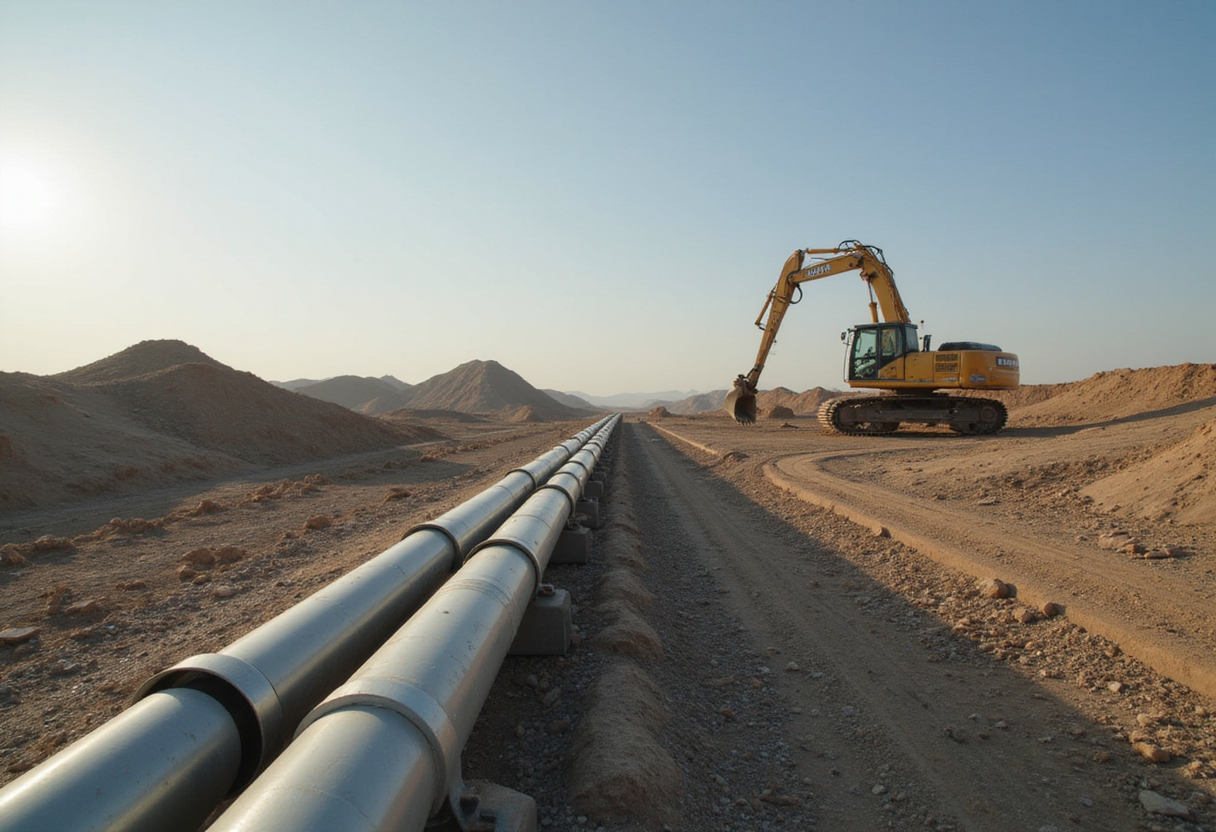
A Libyan oil pipeline has returned to service after an armed group blocked the line, halting flows along one of the country's crude evacuation routes, Asharq Al-Awsat reported.
The blockade, staged by an armed group at a pipeline site, interrupted operations at a critical juncture for Libya's hydrocarbon sector, where output and exports depend heavily on unmolested infrastructure linking inland fields to coastal export terminals. The line has now reopened, restoring the physical route for crude to move to market.
What does the reopening restore?
For Libya's National Oil Corporation and its international partners, pipeline security is the precondition for everything else. The country's production and export system funnels crude from southern and central fields through a limited number of trunklines to Mediterranean terminals. Any armed closure on those lines takes barrels off the market immediately, regardless of what reservoirs and facilities can technically produce.
The reopening means operators along the affected route can resume normal evacuation of crude rather than shutting in wells or building tank inventories against a blocked line. It also removes, for now, a source of supply risk that traders had to price into a market already sensitive to unplanned outages.
Why does this keep happening?
Libya's oil infrastructure has repeatedly been caught in the crossfire of the country's fragmented security politics. Armed groups have targeted pipelines, fields, and terminals at intervals over more than a decade, using closure of hydrocarbon assets as leverage in disputes over revenue, local demands, or broader political standoffs.
Each incident follows a familiar pattern: an armed group seizes or closes a facility, production or flows stop, and the closure ends through negotiation, mediation by local notables or authorities, or payment arrangements. The latest episode conformed to that pattern, with the blockade lifted and the pipeline restored to operation rather than any reported damage to the line itself.
What should watchers track now?
The watch items are straightforward. First, whether flows through the reopened pipeline return to pre-blockade rates without further interruptions, and how quickly any deferred volumes clear through the system. Second, whether the group that staged the closure — and others watching from the sidelines — treat the episode as leverage that worked, which would raise the probability of repeat actions against the same line or neighboring infrastructure.
Third, the wider security posture around Libya's export chain. A single reopened pipeline stabilizes one link; it does not change the underlying conditions that make closures a recurring feature of Libyan supply. Buyers and traders pricing Libyan crude will continue to carry a disruption premium until the pattern of armed blockades breaks.
For the moment, the barrels are moving again. How long they keep moving is the question the market will watch.
via Google News: Pipelines and midstream (Source)
More from Daniel Okafor
Show full bio
Market editor covering consumer brands and retail at Rig & Refinery.
335 articles