Well report No. RR-3636 · T8N · R6W · SEC 32 · filed October 30, 2026
OffshoreWell report
Libya's Rival Parliaments Both Ratify Turkey's Maritime Map
Libya's eastern parliament ratified Turkey's maritime map on October 20, giving Ankara legal cover in the East Med — while operators keep clear of contested waters.
Field notes
- Libya's eastern parliament ratified Turkey's 2019 maritime memorandum unanimously on October 20.
- TPAO holds 40% of deepwater Block O7, ~140 km northwest of Benghazi, with Repsol as operator.
- Turkey announced readiness to survey and drill off the Syrian coast in August.
- Cyprus signed maritime boundaries with Egypt (2003), Israel (2010) and Lebanon (November 2025).
- Greece and Egypt agreed on October 26 to extend their 2020 boundary eastward toward Cyprus.
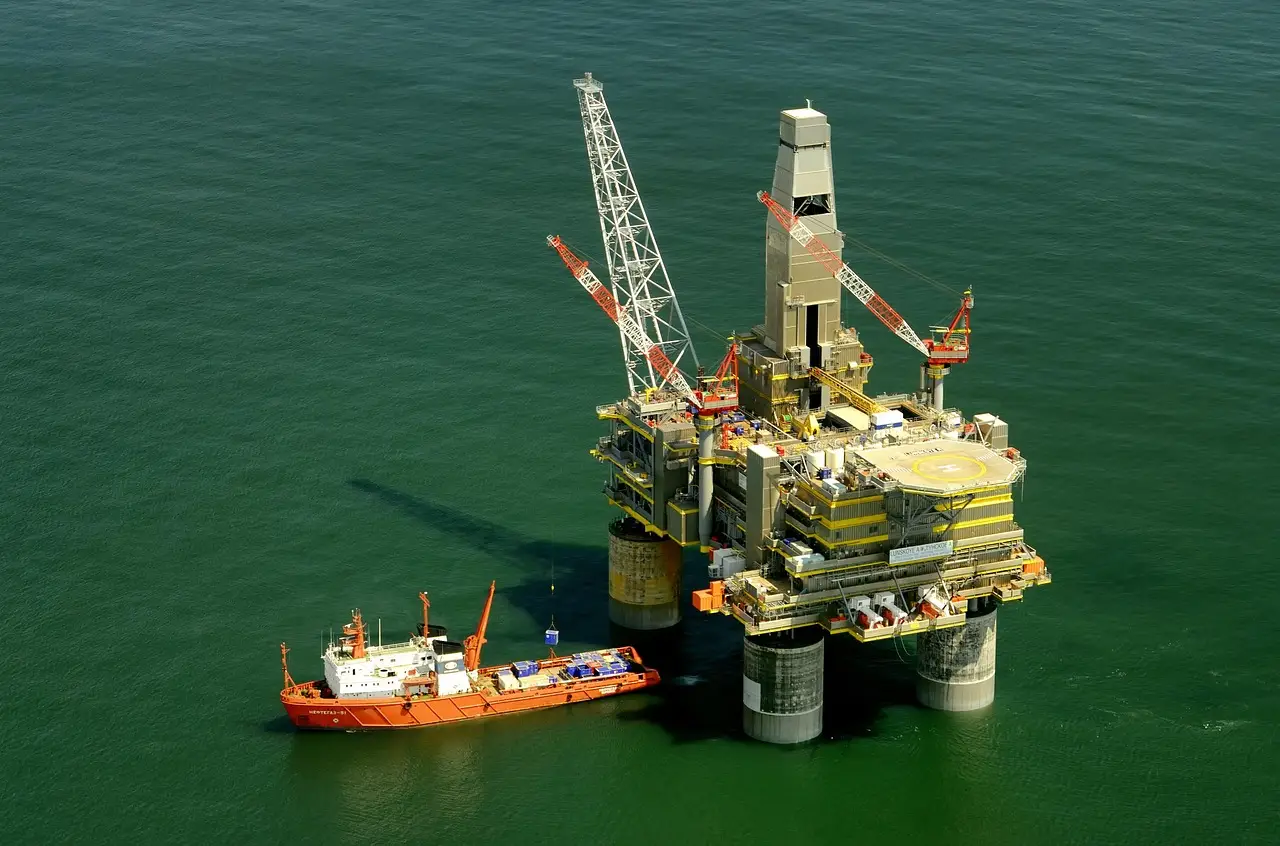
Libya's eastern parliament ratified Turkey's maritime boundary memorandum unanimously on October 20, putting both of the country's rival governments behind a map that squeezes Greek islands out of any shared seabed. For offshore operators, the immediate commercial footprint is close to zero. The legal footprint is not.
The House of Representatives in Benghazi, aligned with Field Marshal Khalifa Haftar, had rejected the same deal in 2020. Tripoli's government signed it in 2019. Both authorities now recognize a boundary line running between Crete and Cyprus — one that endorses Ankara's long-standing position that Greek islands in the area generate no continental shelf or exclusive economic zone (the 200-nautical-mile zone a coastal state claims under the UN Convention on the Law of the Sea) beyond their territorial waters.
Who flipped the vote in Benghazi?
The speaker did. Aguila Saleh, close to Cairo and speaker for 12 years, had refused to bring the memorandum to ratification. On October 6, lawmakers voted him out. They elected Al-Salhin Abdelnabi al-Obeidi, who chaired the parliament's Libyan-Turkish friendship committee.
The push came from the camp of Saddam Haftar, the field marshal's son, who wants the presidency of a unified Libya. Ankara laid groundwork in July with an agreement covering military facilities, surveillance systems and training for eastern officers. Turkish intelligence chief Ibrahim Kalin was in Tripoli on the day of the vote and thanked Prime Minister Abdulhamid Dbeibah, the new speaker, and Saddam Haftar for securing it.
Analysts read the ratification as a payment, not a policy. Saddam "is using Parliament to try to curry favor with the Turks," Tarek Megerisi of the European Council on Foreign Relations said. Jalel Harchaoui says Turkish officials told Saddam directly that they have not committed to the unification plan — and that Turkey's troops in western Libya give Ankara the means to kill it. Claudia Gazzini of Crisis Group says Turkish backing for a Saddam presidency is not certain. Takeaway: Saddam paid up front; Turkey committed to nothing in return.
Washington's unification plan, per Harchaoui, would keep Dbeibah as prime minister in Tripoli and put Saddam at the head of the Presidential Council, with Abu Dhabi backing the scheme. Oussama Assed, who runs the Libya Center for Strategic and Future Studies in Tripoli, says Ankara could put its full weight behind it.
What changes for operators?
Not much, yet. The Turkish-Libyan exploration areas do not cover waters disputed with Greece, according to SETA, a think tank close to the Turkish government. TPAO (Turkey's state oil company) holds 40% of Block O7, a deepwater block roughly 140 kilometres northwest of Benghazi, with Repsol as operator. Chevron holds exploration leases on four Greek blocks south of Crete — blocks Turkey's Defense Ministry concedes "not directly affect our continental shelf."
Gazzini is blunt on the contested acreage: "I don't expect any international oil companies to actively explore or invest in contested waters," she told Agenzia Nova. Companies do not flock to waters that Greece, Egypt and the EU say belong to someone else. What Ankara gained is a legal basis to contest any project that crosses the line — SETA flags Greek exploration east of 26° longitude as the trigger point for possible Turkish naval deployments, and the risk of a naval incident is high.
Is Syria next?
Ankara wants the same deal with Damascus. Cyprus has signed maritime boundaries with Egypt (2003), Israel (2010) and Lebanon (November 2025); Turkey rejected all three for ignoring Turkish Cypriot claims. Since Ahmed al-Sharaa took power in Damascus, Greek Cypriot officials have feared a boundary that cuts Nicosia out, the Cyprus Mail reports. In August, Turkey announced it is ready to survey and drill off the Syrian coast. Ahmet Erdi Öztürk writes that Ankara is "making it increasingly difficult and costly to construct an Eastern Mediterranean order that excludes Türkiye."
How are Cairo and Athens responding?
Egypt lost its grip on eastern Libya. Cairo backed Haftar's 2019 war on Tripoli, and Saleh was its man in the speaker's chair. Egypt's Foreign Ministry calls the ratified deal "a clear infringement upon Egypt's sovereign rights within its exclusive economic zone and continental shelf." Harchaoui says the vote shows Saddam "feels free to completely ignore Cairo" — relations had already cooled over Haftar's alleged role in supplying Sudan's Rapid Support Forces.
Foreign Ministry spokesman Nader Zaki says Egypt is assembling a "comprehensive legal dossier." On October 26, the Egyptian and Greek foreign ministers agreed to advance talks on extending their 2020 maritime boundary eastward toward Cyprus. Ankara has offered to discuss the issue too.
The same day, Greek Foreign Minister George Gerapetritis read a joint statement in New York on behalf of Greece, Cyprus, Egypt, the UAE, Bahrain and the EU, saying the Benghazi vote "raises serious concerns for regional security and stability." UN Secretary-General Antonio Guterres, in Cairo, said maritime arrangements incompatible with the Law of the Sea convention should not be recognised; Turkey is not a party to that convention. President Erdogan said the objections have "no legitimate basis."
One caveat hangs over all of it: a Turkish military presence in eastern Libya would worry Cairo more than the maritime map, says Wolfgang Pusztai, a former Austrian defence attaché in Athens. Watch item: whether Ankara converts its new legal position into a Syria boundary — and whether Greek drilling east of 26° longitude produces the first naval standoff.
via atlanticcouncil.org (Original)
More from Priya Raman
Show full bio
Senior reporter covering technology and product news in Oil and gas industry operations and markets at Rig & Refinery.
595 articles
Adjoining reports
- UN warns Libyan oil-infrastructure attacks could trigger Council action
- Egypt and Libya Close In on $1 Billion Crude Pipeline Agreement
- UN Mission Presses for Urgent Reopening of Shut Libya Oil Pipeline
- UNSMIL Flags Disruption to Sharara–Zawia Crude Pipeline
- OPEC Secretary-General Al-Ghais on working visit to Algiers