Well report No. RR-9236 · T24N · R49W · SEC 36 · filed October 10, 2026
Refining & PetrochemicalsWell report
MOL Completes Reconstruction of Fire-Damaged Danube Refinery Unit
MOL has finished reconstruction of a fire-damaged processing unit at its Százhalombatta refinery, restoring capacity at the largest asset in its Hungarian downstream portfolio.
Field notes
- MOL completed reconstruction of a fire-damaged unit at its Danube Refinery at Százhalombatta, Hungary
- Hungary Today reported the completion; MOL has not publicly identified the affected unit, fire date, rebuild cost, or restart schedule
- The Százhalombatta site is MOL Group's principal domestic refining asset, integrated with adjacent petrochemical capacity
- MOL's central European downstream network also includes the Slovnaft refinery in Bratislava and a non-controlling stake in Croatia's INA
- Hungary sources most of its crude via the Druzhba pipeline, supplemented by seaborne imports through Adriatic terminals
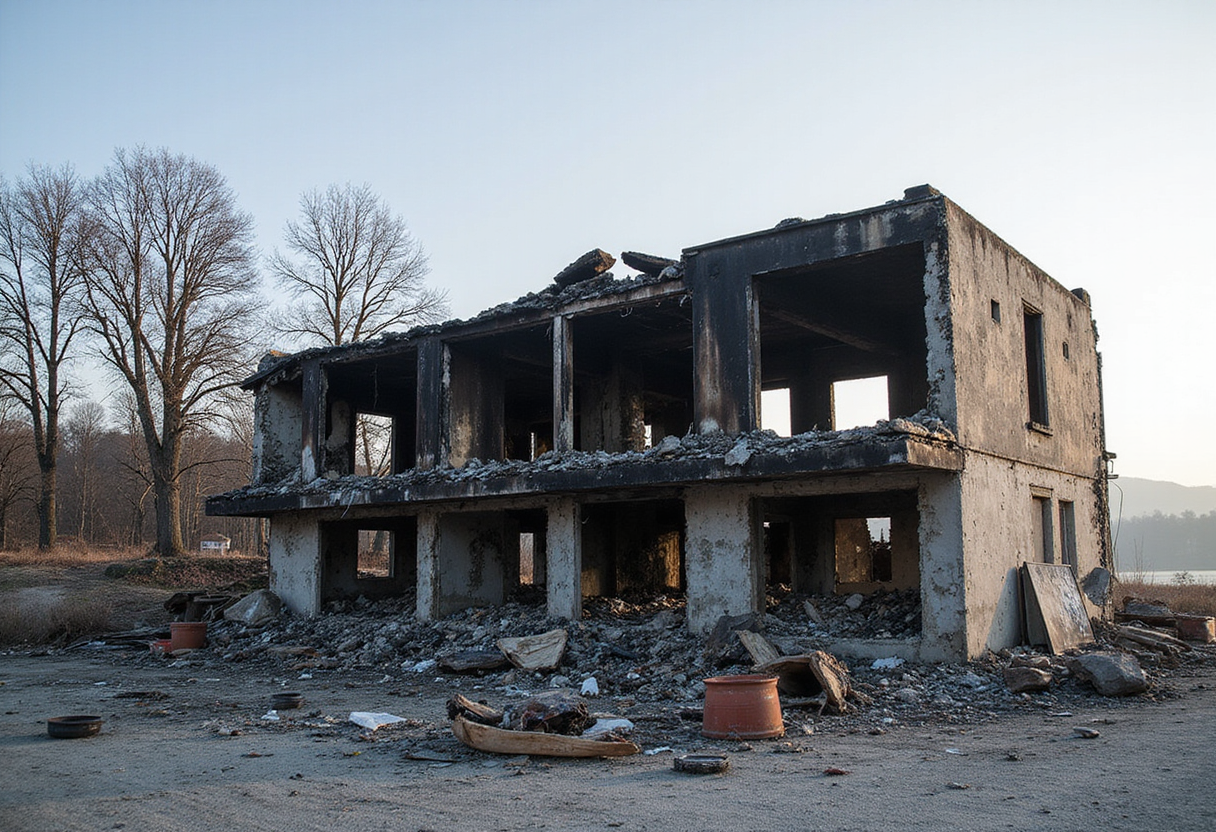
Hungarian integrated oil and gas operator MOL has completed reconstruction of a fire-damaged processing unit at its Danube Refinery, according to a report published by Hungary Today.
The brief report confirms only that reconstruction work has finished. MOL has not publicly identified the affected unit, the date of the original incident, the financial scope of the rebuild, or the commissioning schedule. Trade-press readers will look to the company's next operational disclosure for unit-level details.
What does the reconstruction cover?
The available Hungary Today item does not specify:
- Which process unit was damaged
- The fire's cause, duration, or damage classification
- The replacement scope relative to the original design
- The expected ramp profile and restart sequence
Without those details, it remains unclear whether the rebuild restores previous nameplate throughput or carries incremental capacity. Major refinery unit repairs in central Europe typically require several weeks of commissioning, performance testing, and yield validation before operators confirm full operating rates.
Where does the Danube Refinery sit?
The Danube Refinery is MOL Group's principal Hungarian refining asset. The plant sits at Százhalombatta, on the west bank of the Danube roughly 30 kilometres southwest of Budapest, and is integrated with adjacent petrochemical operations including an olefin cracker and downstream polymer units.
MOL's broader central European downstream network also includes:
- The Slovnaft refinery in Bratislava, Slovakia
- A non-controlling stake in INA's operations in Croatia
- Petrochemical assets co-located with the Százhalombatta and Bratislava refineries
The two main refining complexes at Százhalombatta and Bratislava form the backbone of MOL's fuels supply across Hungary, Slovakia, and parts of Austria and the Balkans through wholesale and retail networks under the MOL, Slovnaft, and INA brands.
Why does the timing matter?
The Danube Refinery supplies a significant share of Hungary's domestic motor fuel demand and feeds feedstock into the integrated petrochemical complex on the same site. Outages at Százhalombatta typically force MOL to draw on cross-border product flows from Bratislava and on import logistics to balance the Hungarian fuels pool.
MOL has pursued a multi-year strategy of shifting its refining yield slate toward middle distillates and petrochemical feedstocks, in line with European Union fuel-quality directives and the International Maritime Organization's 0.5 percent sulfur cap for marine bunker fuel. The rebuilt unit's contribution to that yield shift will become clearer once commissioning data is published.
How does the rebuild fit MOL's wider downstream network?
Hungary imports the bulk of its crude feedstock through the southern leg of the Druzhba pipeline from Russia, supplemented by seaborne cargoes routed via Croatian Adriatic terminals and onward pipeline deliveries. MOL's downstream flexibility has been a recurring theme in company presentations, particularly around crude slate diversification and exposure to regional product cracks.
The MOL Group corporate structure separates downstream operations from upstream exploration and production assets in Hungary, the United Kingdom, and other geographies. Refining and petrochemicals typically drive a meaningful share of group operating profit in normal market conditions, with margins sensitive to regional diesel-gasoline differentials, middle distillate cracks, and petrochemical spreads.
What are the watch items?
- MOL's next operational statement identifying the affected unit and the restart date
- Quarterly throughput and utilization figures for the Százhalombatta site
- Group-level guidance on downstream margins following the capacity restoration
- Any disclosure of insurance recovery or capital allocation tied to the rebuild
- Updated commentary on Hungarian fuel-market supply balance and import requirements during the commissioning window
via Google News: Refineries and petrochemicals (Source)
More from Olivia Hart
Adjoining reports
- MOL wraps HUF 18B repair of AV-3 at 163,000-b/cd Százhalombatta refinery
- MOL Completes Repair Work on Major Unit at Hungarian Refinery
- One fatality reported in explosion at MOL's Tiszaujvaros complex
- Zelenskyy pegs Druzhba pipeline repair to spring timeline
- Syzran refinery, Atlant Aero plant hit overnight: General Staff