Well report No. RR-9082 · T22N · R28W · SEC 10 · filed October 18, 2026
Upstream Drilling & ProductionWell report
Neural Networks Convert Toxic Drilling Waste into Zeolite
Neural networks are being used to convert toxic oil drilling waste into high-performance zeolite, Bioengineer.org reports, targeting synthesis optimization for variable cuttings chemistry.
Field notes
- Researchers applied neural networks to convert toxic drilling waste into high-performance zeolite, Bioengineer.org reports.
- The machine learning models optimize synthesis parameters for variable drilling waste feedstocks.
- The report gives no pilot throughput, yield figures or commercial timeline; the work remains laboratory-stage.
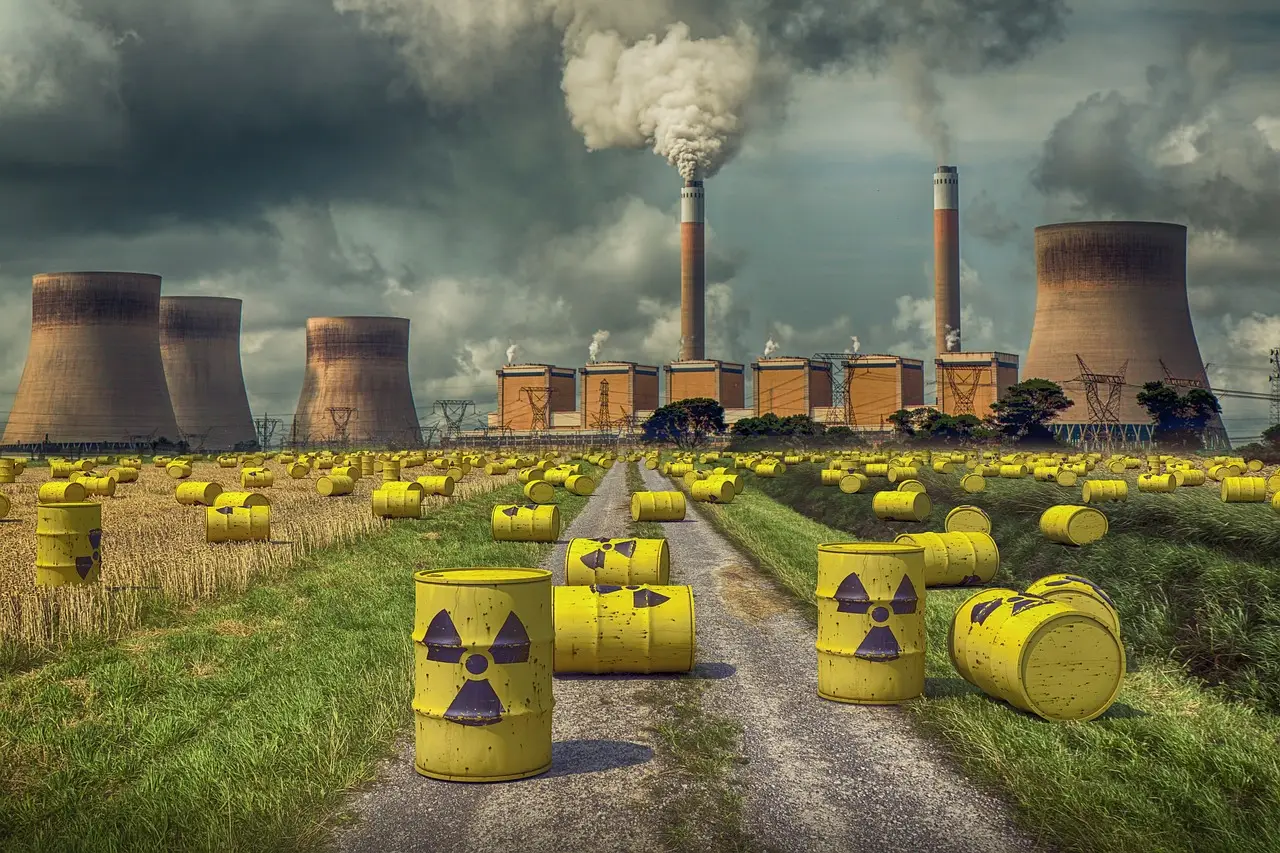
Researchers have used neural networks to convert toxic oil drilling waste into high-performance zeolite, according to a report published by Bioengineer.org. The work targets one of the upstream sector's oldest liabilities: contaminated drill cuttings and spent fluids that require costly treatment before disposal.
Drilling waste is a constant operational burden. Every well generates cuttings laced with hydrocarbons, heavy metals and treatment chemicals. Operators typically manage these streams through thermal desorption, bioremediation or landfill disposal, all of which carry expense and regulatory scrutiny. Zeolite, a crystalline aluminosilicate mineral with a regular pore structure, is used in catalysis, water treatment and gas separation, and normally requires controlled synthesis from purified feedstocks.
What does the machine learning contribute?
The reported method applies neural networks — computational models that learn patterns from training data — to guide the conversion of drilling waste into zeolite. The models optimize synthesis parameters rather than relying on trial-and-error lab iteration. The result, the report states, is a high-performance zeolite product made from a feedstock the industry pays to discard.
The approach matters because waste-to-zeolite routes already exist in the literature. What has limited them is variability. Drilling waste differs well by well, basin by basin, and a synthesis recipe tuned for one cuttings stream can fail on another. A neural network that adapts to feedstock chemistry addresses that variability directly, in principle making the conversion repeatable at scale.
Where does this fit operationally?
For operators, the interest is twofold. First, waste liability: converting cuttings into a saleable mineral product reduces disposal volumes and hazardous-classification exposure. Second, circularity credentials: refineries and petrochemical plants already consume zeolites in fluid catalytic cracking and detergent production, so a waste-derived supply chain has an addressable market.
The Bioengineer.org report does not state pilot-scale throughput, synthesis yields, or the specific basins or waste streams tested. Commercial timelines, unit economics and regulatory acceptance therefore remain open questions. Readers should treat this as laboratory-stage work, not a sanctioned process.
What is the watch item?
The marker to watch is scale-up disclosure: a demonstrated continuous conversion unit processing real cuttings at field-relevant volumes, with published product specifications and cost per tonne. Until those figures appear, the technology sits in the appraisal column.
The takeaway: machine learning may turn a disposal cost into a product stream, but the numbers that matter — tonnes in, tonnes out, dollars per tonne — have not yet been published.
via Google News: Oil drilling and production (Source)
More from Olivia Hart
Show full bio
Correspondent covering technology and product news in Oil and gas industry operations and markets at Rig & Refinery.
517 articles
Adjoining reports
- AI Set to Lift Oil and Gas Output More Than Renewables, FT Cites
- Running Shakers, Failing System: Offshore Solids Control's Blind Spot
- SBM Offshore Unveils Robotic Tank-Cleaning Tool for FPSOs
- Technip Energies lands €250m–500m EPC for HPCL Mumbai refinery upgrade
- New Zealand Opens Its First Waste Oil Re-Refinery