Well report No. RR-5077 · T17N · R38W · SEC 29 · filed October 10, 2026
Midstream & PipelinesWell report
NGI: Pipeline Buildout Presses On Ahead of Next LNG Wave
NGI flags a continuing 'massive pipeline buildout' sequenced ahead of the next LNG export wave. Full article body was not captured in the feed reaching the desk.
Field notes
- Natural Gas Intelligence published a headline reading 'Massive Pipeline Buildout Continues Ahead of Next LNG Export Wave'
- The full body of the NGI report was not captured in the feed reaching the editorial desk
- The buildout is sequenced ahead of LNG terminals that have not yet reached commercial service
- Pipeline operators are committing capacity in front of the post-first-wave liquefaction cohort
- FERC permitting durations set the floor on how far ahead of terminal in-service the steel must be in the ground
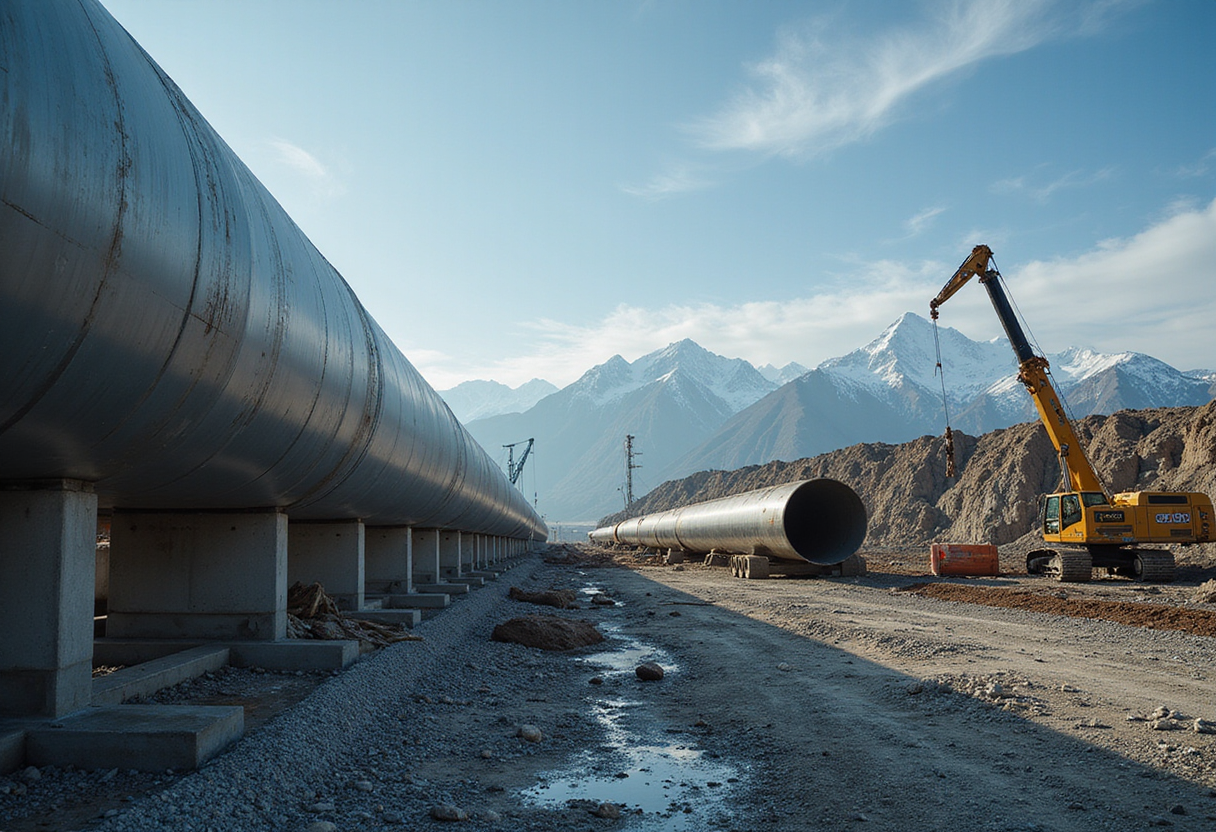
A continuing "massive pipeline buildout" is moving ahead in front of the next LNG export wave, Natural Gas Intelligence (NGI) reported this week.
The trade publication, which covers North American natural gas markets from wellhead to export terminal, ran the headline "Massive Pipeline Buildout Continues Ahead of Next LNG Export Wave." The full text of the NGI piece was not captured in the feed available to the Rig & Refinery editorial desk; only the headline and outlet attribution reached the newsroom.
The headline alone carries operational signal worth reporting. "Massive" denotes capacity additions at scale rather than incremental gathering-line tie-ins. "Continuing" places the work in active construction or active capital commitment, not at the press-release or feasibility-study stage. "Ahead of the next LNG export wave" sequences the pipeline work as a precondition for export terminals that have not yet entered commercial service — projects in late-stage engineering, construction, commissioning or pending final investment decision.
For midstream operators, that sequencing is standard practice: pipeline capacity is built or expanded, hydrotested and tied into feedgas systems before liquefaction trains reach in-service. The NGI headline indicates this sequencing is in motion for the LNG cohort following the most recent commissioning wave.
What scope of work does "massive" imply here?
At the scale implied by the headline, the buildout covers multiple segments of the midstream chain. Gas-gathering systems in supply basins must move incremental production. Gas-processing and treating capacity must prepare the stream to pipeline-quality specification. Long-haul interstate and intrastate transmission lines must expand or be looped to deliver the volumes to Gulf Coast header systems. Storage and balancing capacity must be added or re-rated to handle the load factor of baseload LNG demand.
Feedgas delivery requires steel in the ground, regulator approval where federal jurisdiction applies, right-of-way acquisition, and a multi-quarter construction schedule. The headline framing suggests operators have committed — or are committing — to that work on a timeline that puts capacity in service ahead of terminal needs.
What is the "next" LNG export wave?
The "next" framing is the most analytically loaded part of the headline. It implies a prior wave has reached or is reaching in-service, and a subsequent wave is now the binding variable for pipeline planning. That places the buildout in front of projects at advanced development stages — those with long-term offtake, EPC contracts in place, and FERC authorizations either granted or in active review.
Why does timing matter?
Pipeline projects move on regulator-driven schedules that rarely accelerate. FERC review, environmental review, right-of-way negotiation and compressor-station permitting all carry fixed minimum durations. A "buildout" sequenced "ahead of" LNG in-service dates therefore implies operators have front-loaded the regulatory work, not the construction itself — and any slippage in the terminal schedule ripples back into the pipeline work.
Watch items:
- The full NGI article body, expected to identify the operators, projects and capacity figures driving the buildout
- Pending and recent FERC orders on interstate pipeline projects tied to LNG feedgas
- In-service dates for the LNG terminal cohort the buildout is sequenced against
- Whether first-wave terminals are ramping on schedule — slippage cascades directly into pipeline timing
- Producer-side nominations that signal whether committed capacity matches expected terminal demand
via Google News: LNG export terminals (Source)
More from Daniel Okafor
Show full bio
Market editor covering consumer brands and retail at Rig & Refinery.
335 articles