Well report No. RR-2617 · T15N · R40W · SEC 3 · filed October 10, 2026
Refining & PetrochemicalsWell report
Novoshakhtinsk refinery halts operations after drone strike in Rostov Oblast
Novoshakhtinsk refinery in Rostov Oblast suspends operations after a drone strike; restart timing and extent of damage remain undisclosed.
Field notes
- Novoshakhtinsk oil refinery in Rostov Oblast suspended operations after a drone attack
- The plant sits near the Russian-Ukrainian border in southern Russia
- No timeline for restart or damage assessment has been disclosed
- The refinery has been struck in earlier waves of attacks on Russian refining assets
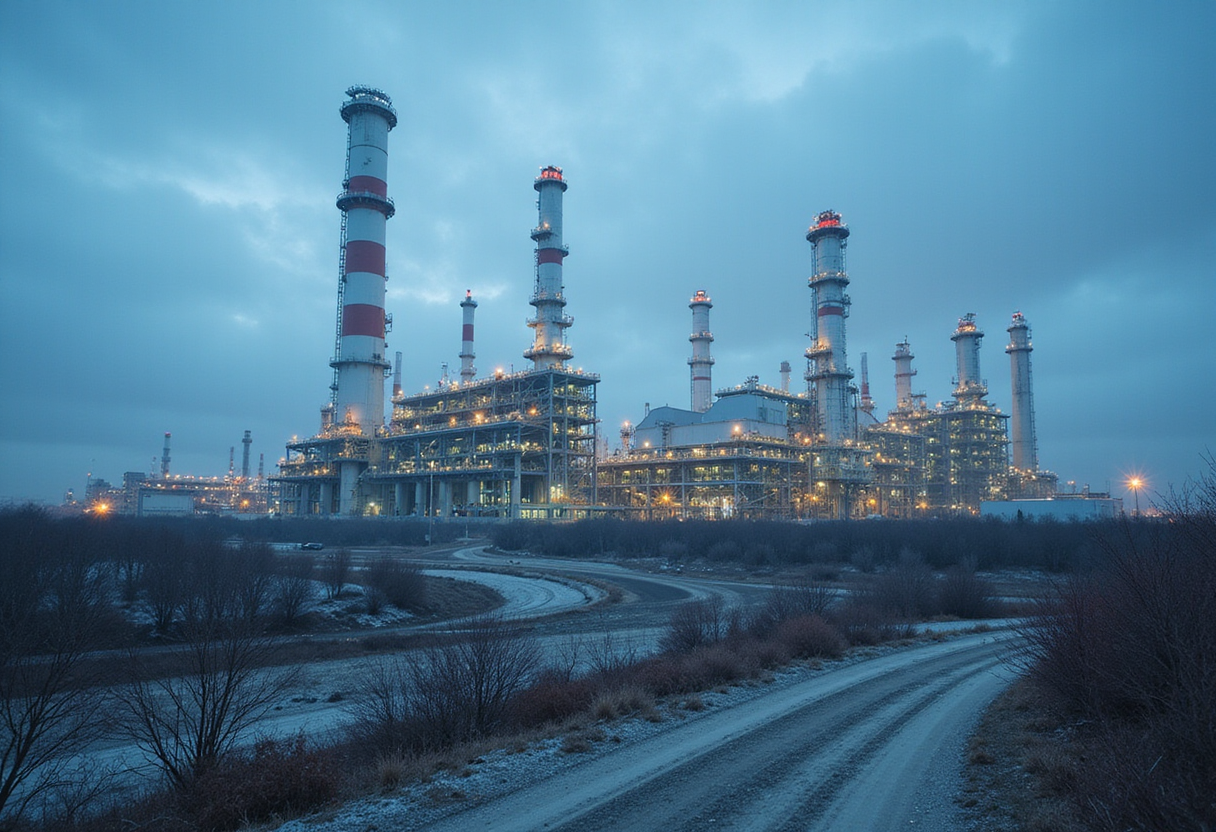
The Novoshakhtinsk oil refinery in Russia's Rostov Oblast has suspended operations following a drone attack, dealing another blow to refining capacity in a border region that has absorbed repeated strikes on fuel-processing infrastructure.
The refinery, one of the smaller processing assets in Russia's southern refining fleet, sits near the border with Ukraine in the Rostov region. Reports of the suspension did not specify how long the outage will last or the extent of damage to processing units.
What happened at Novoshakhtinsk?
Drone strikes hit the refinery, and the plant subsequently halted operations. The attack aligns with a broader pattern of long-range drone strikes against Russian oil refining assets over the course of the war, which have targeted refineries, terminals, and storage depots from the Baltic to the Black Sea and deep into Russian territory.
Novoshakhtinsk has been struck before. The plant was hit in earlier waves of attacks on Russian refining infrastructure, and operators there have previously had to suspend and then restore processing. Each restart carries uncertainty, depending on whether strikes damaged crude distillation units, secondary conversion units, or only auxiliary infrastructure and tankage.
What does the suspension mean for supply?
Rostov Oblast and neighboring southern Russian regions rely on a network of refineries and product pipelines for diesel, gasoline, and fuel oil supply. A single outage at a plant of Novoshakhtinsk's scale typically shifts product flows rather than creating an immediate deficit, with rail and pipeline arbitrage from other regions covering shortfalls — at a cost.
Russian refiners have faced repeated emergency stoppages over the past two years. Analysts tracking the sector have attributed episodes of domestic gasoline and diesel export restrictions, including damper-mechanism adjustments and export bans on gasoline, to strike-driven outages at refineries. Price and margin commentary of that kind remains analytical attribution rather than established fact for this specific incident.
For the export market, southern Russian refining outages can tighten diesel availability at Black Sea loading points, where traders watch refinery run-cuts as an early signal for ultra-low-sulfur diesel flows into the Mediterranean.
What is the watch item?
The operative questions now are restart timing and damage assessment. Watch for statements from plant operator Novoshakhtinsk Products Company, Russian Energy Ministry commentary on regional fuel supply, and satellite imagery confirming whether distillation capacity took a direct hit. Secondary indicators include any Russian government response on fuel exports from the region and changes in product tanker loadings at Black Sea terminals.
Until the operator or Russian authorities disclose a damage assessment, the market should treat the outage as open-ended. Prior strike-driven outages at Russian refineries have ranged from days to months depending on what the drones hit.
via Google News: Refineries and petrochemicals (Source)
More from James Calloway
Show full bio
Staff writer covering industry trends and analytics at Rig & Refinery.
402 articles