Well report No. RR-3477 · T1N · R7W · SEC 13 · filed November 6, 2026
Petroleum MarketsWell report
OPEC flags 12-fold tanker-rate surge; Saudi and Houthi claims diverge
OPEC reports Middle East-to-East Asia tanker freight at $37.13/bbl and insurance at $12.29/bbl, while conflicting accounts follow missile and drone attacks involving Saudi Arabia and Yemen.
Field notes
- OPEC says tanker rates rose sharply across all routes from early 2026, with some routes recording about 12-fold increases.
- Middle East-to-East Asia freight rose from $3.18/bbl at end-January 2026 to $37.13/bbl at end-October.
- Insurance on that route rose from $0.06/bbl to $12.29/bbl over the same period, more than 200 times.
- Freight and insurance reached about 30% of crude-product costs, compared with a normal level of about 3%.
- The Houthis claimed 61 Saudi strikes hit Yemen in 24 hours and 4,197 since the latest escalation; the figures remained unverified.
By Elena Vasquez
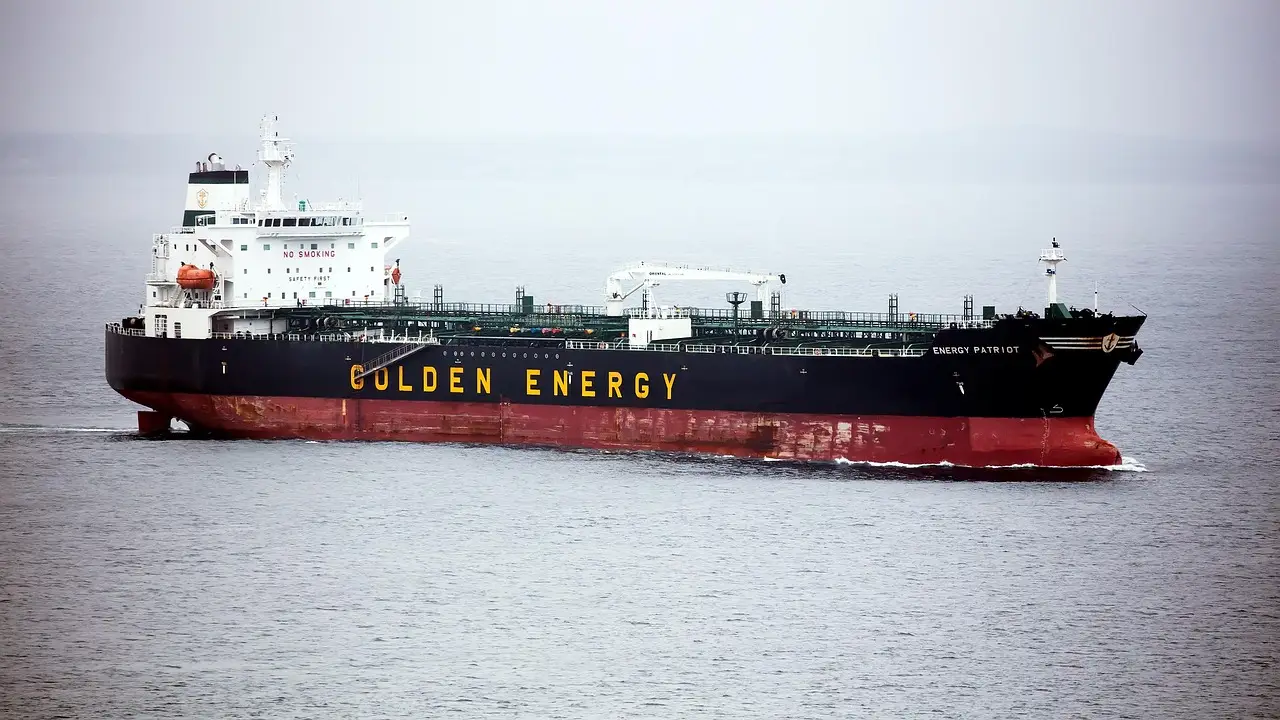
The Organization of the Petroleum Exporting Countries says freight for large crude carriers running from the Middle East to East Asia climbed from $3.18 a barrel at the end of January to $37.13 at the end of October, while insurance rose from $0.06 to $12.29.
For a shipowner pricing that voyage, the two bills moved from $3.24 a barrel combined in late January to $49.42 in late October.
On Wednesday, OPEC highlighted figures from its latest pamphlet and called the surge in shipping and insurance costs unprecedented. It said tanker rates had risen sharply across all routes since the beginning of 2026, with some routes recording about a 12-fold increase in shipping costs.
What did the route cost in January versus October?
OPEC used large crude carriers sailing from the Middle East to East Asia as its example. The two dated snapshots show the scale of the change:
- End of January: Freight cost $3.18/bbl and insurance cost $0.06/bbl, or $3.24/bbl combined.
- End of October: Freight cost $37.13/bbl and insurance cost $12.29/bbl, or $49.42/bbl combined.
- Cost share: Freight and insurance accounted for roughly 30% of the total cost of crude products, against a normal level of about 3%.
On OPEC’s own numbers, the combined bill rose $46.18 a barrel between those dates, while insurance alone rose more than 200 times.
What does OPEC say the cost shock means?
OPEC wrote in the pamphlet: “These exceptionally elevated costs are, in turn, transmitted across the entire value chain. They increase and prolong the cost burden on producing and consuming countries and place additional inflationary pressures on the global economy.”
The pamphlet treats tanker freight and insurance as an economy-wide cost issue, not merely a shipping issue.
What did the Saudi and Houthi reports say?
On Thursday, Yemen’s Houthi group said in a social-media statement that military spokesman Yahya Sarea had targeted King Fahd International Airport in Dammam, in Saudi Arabia’s Eastern Province, with a drone. Sarea claimed the attack achieved its objective and disrupted flight operations. The claim remained unverified, and Saudi authorities had not immediately confirmed it.
- Sarea rejected what he described as a Saudi claim that a missile had been intercepted over Medina. He said Houthi operations targeted only Saudi oil facilities and military bases.
- The Saudi-led coalition announced that it had intercepted and destroyed a ballistic missile launched toward the Medina region and a drone over the Eastern Province.
In a separate post, Sarea said 61 Saudi airstrikes had hit Sanaa and nine provinces—Al-Jawf, Taiz, Saada, Marib, Lahij, Dali, Ibb, Hodeidah and Hajjah—during the previous 24 hours.
He claimed the attacks caused civilian casualties, mostly children and women, and put the total number of air and missile strikes since the latest escalation at 4,197. The figures remained unverified.
The reports followed weeks of escalating cross-border hostilities: Saudi strikes hit Houthi-held areas in Yemen, while the Houthis launched missiles and drones toward Saudi Arabia. Yemen has been in conflict since late 2014, when the Houthis seized Sanaa and much of northern Yemen, prompting the Saudi-led coalition to intervene in 2015 in support of the Yemeni government.
The OPEC pamphlet and the Saudi and Houthi statements do not establish that the reported attacks caused the freight and insurance surge. As presented, they document two developments relevant to crude shipping, but not a demonstrated cause-and-effect chain.
The security claims widen the risk around crude shipping, but they leave the airport strike and Yemeni strike totals unconfirmed.
What should traders watch next?
The watch item is the next freight and insurance quote on the Middle East-to-East Asia route, plus any Saudi confirmation of the Dammam claim, which would clarify whether the cost spike and reported flight disruption persist.
via Google News: OPEC and oil markets (Source)
More from Elena Vasquez
Show full bio
News editor covering technology and product news in Oil and gas industry operations and markets at Rig & Refinery.
531 articles
Adjoining reports
- Supertanker Freight Adds $40 Per Barrel to Delivered Crude Cost
- OPEC Flags Record Highs in Energy Shipping and Insurance Costs
- VLCC Rates at $82 Million Shut U.S. Gulf Crude Out of Asia
- OPEC+ Warns Shipping and Insurance Costs Impede Oil Flows
- OPEC+ Ministers Flag Surging Freight and Insurance Costs on Energy Routes