Well report No. RR-3582 · T4N · R14W · SEC 4 · filed October 13, 2026
Petroleum MarketsWell report
OPEC: Freight Now Takes Over a Third of Oil's Value
OPEC warns shipping costs now absorb over a third of oil's value, rewriting crude arbitrage economics and handing shorter-haul exporters a pricing edge.
Field notes
- OPEC warns shipping costs now exceed one third of oil's value.
- Freight share of barrel value has risen well above historical norms of a few percent.
- Higher delivered crude costs hit importing refiners even if benchmarks hold flat.
- Shorter-haul Atlantic Basin exporters gain competitive advantage on freight-dominated routes.
- OPEC output policy meetings are the key watch item that could reset the freight-to-price ratio.
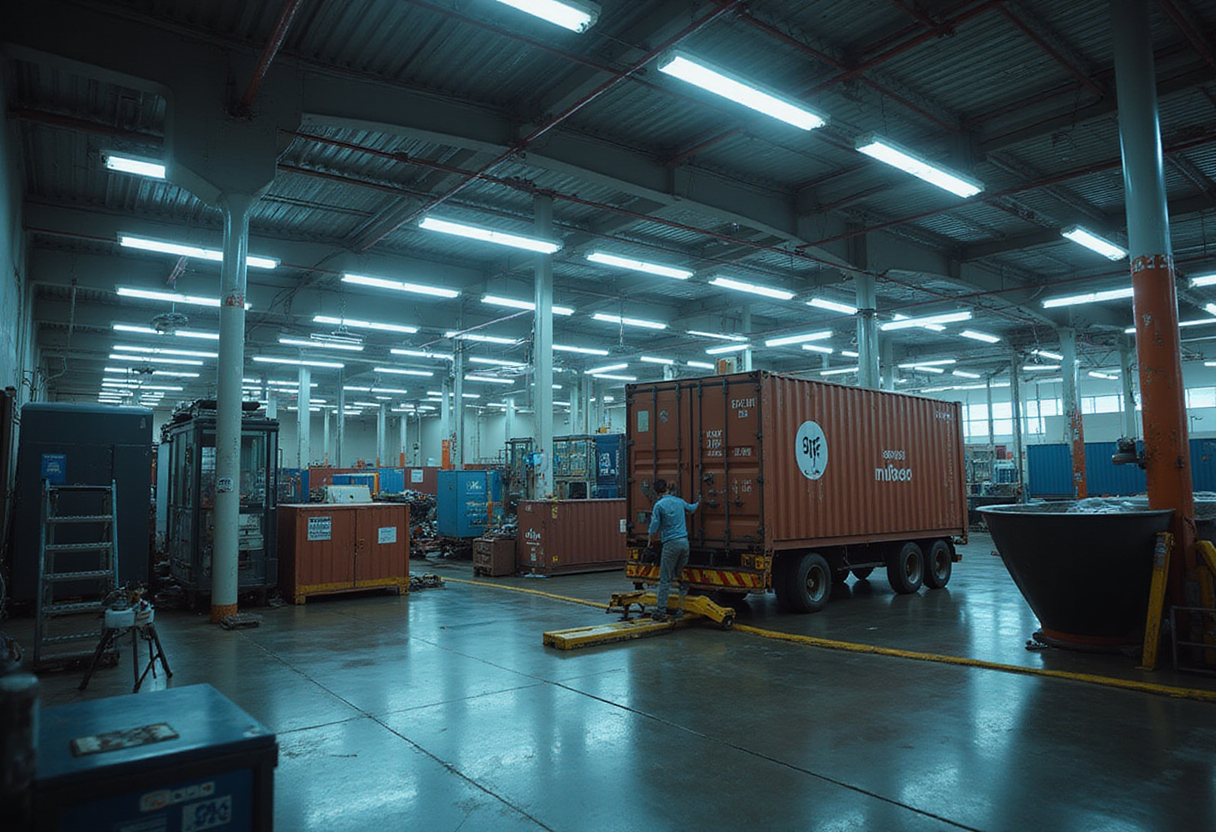
Shipping costs now absorb more than one third of the value of a barrel of oil, according to OPEC. That is the headline finding the producer group flagged this week, and it lands squarely on the desk of anyone pricing crude arbitrage from the Middle East Gulf to Europe or Asia.
The arithmetic is stark. For every three dollars a buyer pays for oil, more than one dollar now covers the voyage rather than the molecule. Freight has rarely, if ever, claimed that share of barrel value in modern trading memory. OPEC framed the situation as a warning, not a forecast. The group publishes this commentary alongside its market monitoring, and it treats transport economics as an input to crude flows, not a headline price driver.
What does the warning actually cover?
OPEC's concern centers on tanker freight rates, the cost of moving crude and products between basins. When freight rises, the effective delivered price of oil climbs even if benchmark crude prices hold flat. Refiners on importing coasts feel it first. A European refiner buying Gulf crude pays the benchmark, the premium, and the freight. Freight is the piece that has swollen.
The implications run in two directions:
- Buyers face higher landed costs. Delivered crude gets dearer without any move in Brent or Dubai quotes.
- Producers compete on distance. Shorter-haul grades gain an edge when freight dominates the cost stack.
The second point matters for Atlantic Basin exporters. West African and North Sea crudes travel shorter distances to European refineries than Gulf grades do. A freight bill worth a third of barrel value rewrites those economics in favor of the nearer supplier. Takeaway: when shipping costs this much, geography becomes a pricing weapon.
How unusual is a one-third freight share?
Historically, tanker freight has claimed a modest sliver of delivered crude cost — a few percent in calm markets, more in tight ones, but nowhere near a third as a general condition. OPEC's warning implies either a sharp run-up in tanker rates, a fall in crude prices that shrank the denominator, or both. The group did not publish a decomposition, so the driver mix remains attribution rather than established fact.
For traders, the frame is simple. Divide the freight cost by the crude price on any given route. Above roughly ten percent, arbitrage windows start closing. At the level OPEC describes, long-haul trade economics invert. Cargoes that cleared comfortably six months ago may now arrive at a loss. That is analysis, and OPEC's warning is its anchor.
What should the market watch next?
The watch items are the ones that move this share back toward normal. A softening in tanker rates would compress freight's claim on barrel value. A rally in crude benchmarks would do the same, arithmetically, by raising the denominator. OPEC's own production decisions shape the second path. The group's output policy meetings remain the calendar item that could reset the ratio from either side.
Refinery planners and crude traders should also watch route-level differentials. Basin-level economics, not global averages, decide which grades clear and which sit. The number OPEC put on the record gives the market a benchmark. The verdict is plain. Freight has stopped being a rounding error and become a third of the bill.
via Google News: OPEC and oil markets (Source)
More from Daniel Okafor
Show full bio
Market editor covering companies, deals and strategy in Oil and gas industry operations and markets at Rig & Refinery.
382 articles