Well report · filed November 20, 2026
Petroleum MarketsWell report
OPEC+ to Lift Output as Hormuz Reopening Flips Market to Oversupply
OPEC+ will lift output once the Strait of Hormuz reopens, flipping the market toward oversupply as Brent slides 15% to $90-93/bbl, the IEA says. Inventories are climbing.
Field notes
- Brent traded near USD 90-93/bbl on November 20, 2026, down about 15% in a month but nearly 50% above year-ago levels.
- OPEC+ has pledged to raise output once the Strait of Hormuz reopens reliably.
- The IEA expects the global oil market to flip into oversupply this quarter, the first time since the Iran war began.
- US crude inventories have risen for consecutive weeks.
- Three-day view: Brent slightly lower to range-bound; Dubai/Oman soft; Urals/ESPO stable to slightly softer.
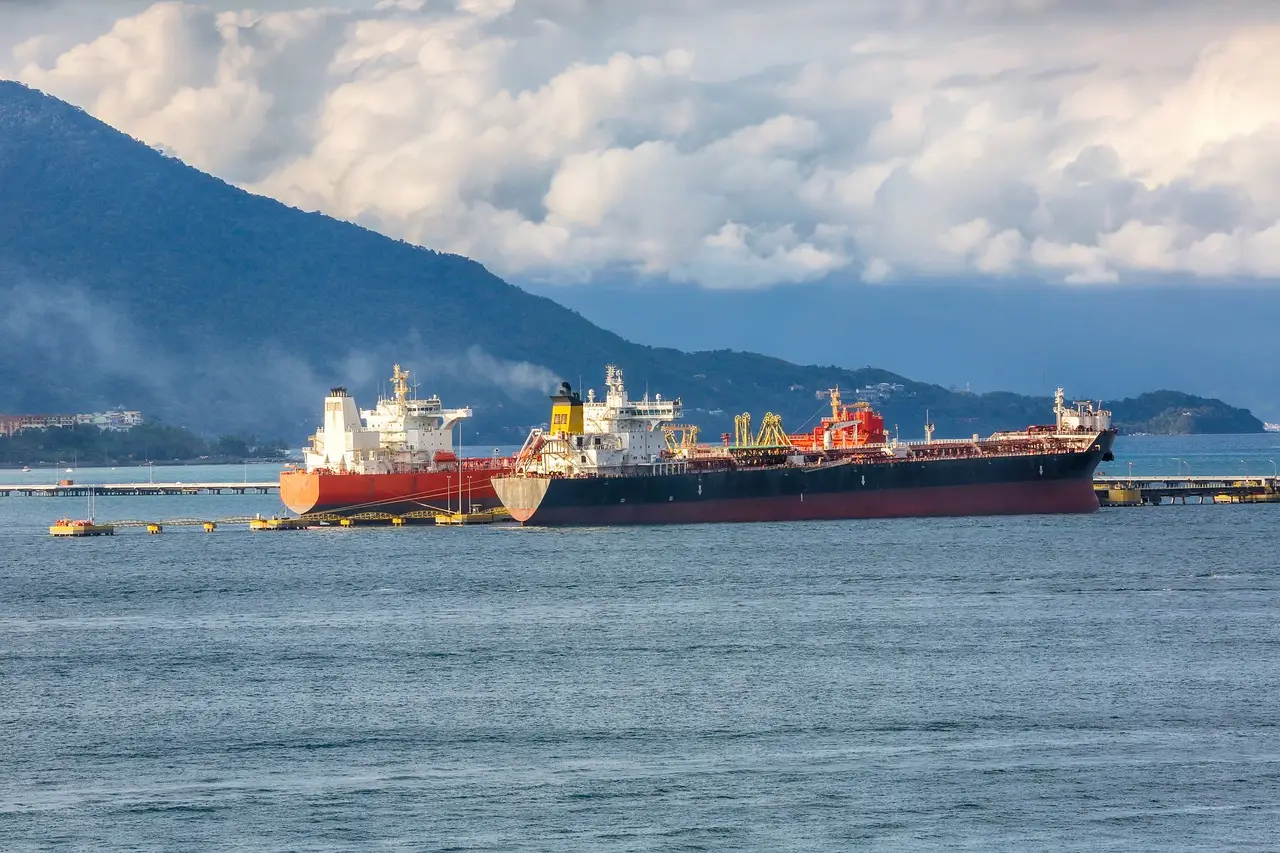
OPEC+ will raise oil production once the Strait of Hormuz reopens reliably, a pledge that turns the crude market's main question from scarcity to surplus just as Brent slips toward the low-$90s per barrel.
Brent spot references clustered near USD 90–93/bbl on November 20, 2026, after a correction of roughly 15% over the past month from above USD 100/bbl at the height of the Hormuz crisis. The benchmark still trades nearly 50% higher than a year ago, with war-related risk premia and elevated shipping costs still embedded in the curve.
Intraday, prices swing on macro data and geopolitical headlines, but the pattern has changed. What was a supply-shock rally is now a market preoccupied with oversupply — and the OPEC+ commitment tells traders that producers are comfortable with lower prices so long as volumes and market share hold.
What does the output pledge change?
The decision represents a structural loosening of supply from Saudi Arabia, the UAE, Russia and other core exporters. It lands on a market that has already recovered toward pre-war supply levels at times, as alternative routes, pipelines and non-OPEC+ producers adapted to the 2026 shipping disruptions.
The International Energy Agency now expects the global oil market to flip into oversupply in the current quarter — the first such shift since the onset of the Iran war — driven by resilient Middle East output and softening demand.
For crude linked to Hormuz, the reopening will sharply cut logistical bottlenecks and insurance premia, restoring more consistent flows from Gulf producers to Asia and Europe.
The takeaway: OPEC+ is effectively trading price for volume, aiming to reclaim market share lost to non-OPEC+ barrels during the disruptions.
How do the fundamentals stack up?
The market is moving from a risk-premium regime to a volume-driven phase. US crude inventories have risen for consecutive weeks, evidence that higher export availability and softer domestic demand are showing up in hard data.
Saudi Arabia and the UAE gain room to use spare capacity and export terminals, potentially reducing reliance on alternative pipelines that were stressed or temporarily shut by attacks earlier this year. Russia benefits from a looser OPEC+ framework that legitimises higher exports via non-Hormuz routes, reinforcing its Asian market position even as price caps and sanctions reshape trade flows.
Can producers deliver the barrels?
Weather poses no obstacle. Forecasts for November 20 show clear, hot and sunny conditions across Saudi Arabia, with moderate winds of roughly 10–35 km/h over the Red Sea and Arabian Gulf. UAE marine bulletins for November 20–22 foresee light to moderate seas in the Arabian Gulf and Oman Sea, with offshore winds mainly in the 8–20 knot range. Russia reports no major weather-driven constraints at key export hubs, with seasonal cold within normal ranges.
In short, meteorology will not stop OPEC+ from delivering higher output once the corridor reopens.
Where do prices go from here?
The combination of the output pledge, rising inventories and the IEA's oversupply flag points to a bearish-to-neutral bias in the very short term. Residual Hormuz risk keeps a floor under prices, but the balance tilts toward downside if shipping flows normalise faster than demand recovers.
- Refiners and physical buyers (SA/AE/RU): Lengthen crude coverage modestly on dips, but avoid over-hedging until OPEC+ volumes and Hormuz traffic clearly ramp up.
- Gulf and Russian producers: Prepare for thinner margins as higher output meets softer demand; prioritise low-cost fields and flexible marketing toward Asia, where demand is relatively resilient.
- Financial traders: Sell rallies or hold light short exposure in Brent and Dubai, watching for confirmation of sustained Hormuz reopening and actual production increases.
The three-day view: Brent slightly lower to range-bound as the output pledge offsets residual Hormuz risk premium; Dubai/Oman soft on improving Gulf logistics; Urals and ESPO blends stable to slightly softer, competitively priced against Gulf grades even as trade routes stay structurally reshaped.
The watch item now is confirmation — actual OPEC+ barrel increases and sustained Hormuz traffic, not the pledge itself.
via commodity-board.com (Source)
More from Elena Vasquez
Show full bio
News editor covering technology and product news in Oil and gas industry operations and markets at Rig & Refinery.
619 articles
Adjoining reports
- OPEC+ Set to Hold Output Quotas Steady for November
- Brent Clears $110 as Middle East Tensions Push Prices to Five-Month High
- OPEC+ clears fourth quota hike since Hormuz closure episode
- OPEC+ Adds 2.04 Million b/d in October, Yet Brent Holds Near $92
- Oil Prices Climb as Traders Bet on Further OPEC Output Cuts