Well report No. RR-6611 · T23N · R39W · SEC 23 · filed October 10, 2026
Refining & PetrochemicalsWell report
Pennsylvania Petrochemical 'Renaissance' Falls Short, DeSmog Finds
DeSmog reports Pennsylvania's projected petrochemical 'renaissance' has not materialized. The verdict revisits a decade of downstream development expectations built on the state's position above the Marcellus and Utica shales.
Field notes
- DeSmog has published a finding headlined "Pennsylvania's Petrochemical 'Renaissance' Hasn't Panned Out."
- Pennsylvania sits above the Marcellus and Utica shales, the largest dry-gas and wet-gas formations in the Lower 48.
- The renaissance narrative gained momentum through the mid-2010s, with cracker and derivatives projects promoted as a structural shift for the Ohio River corridor.
- In-state petrochemical demand was intended to absorb a portion of the wet-gas stream that otherwise moves via long-haul pipelines toward Louisiana and Texas.
- Watch items include cracker operating-rate disclosures, any state audit of petrochemical tax-incentive programs, and ethane pricing on Marcellus takeaway systems.
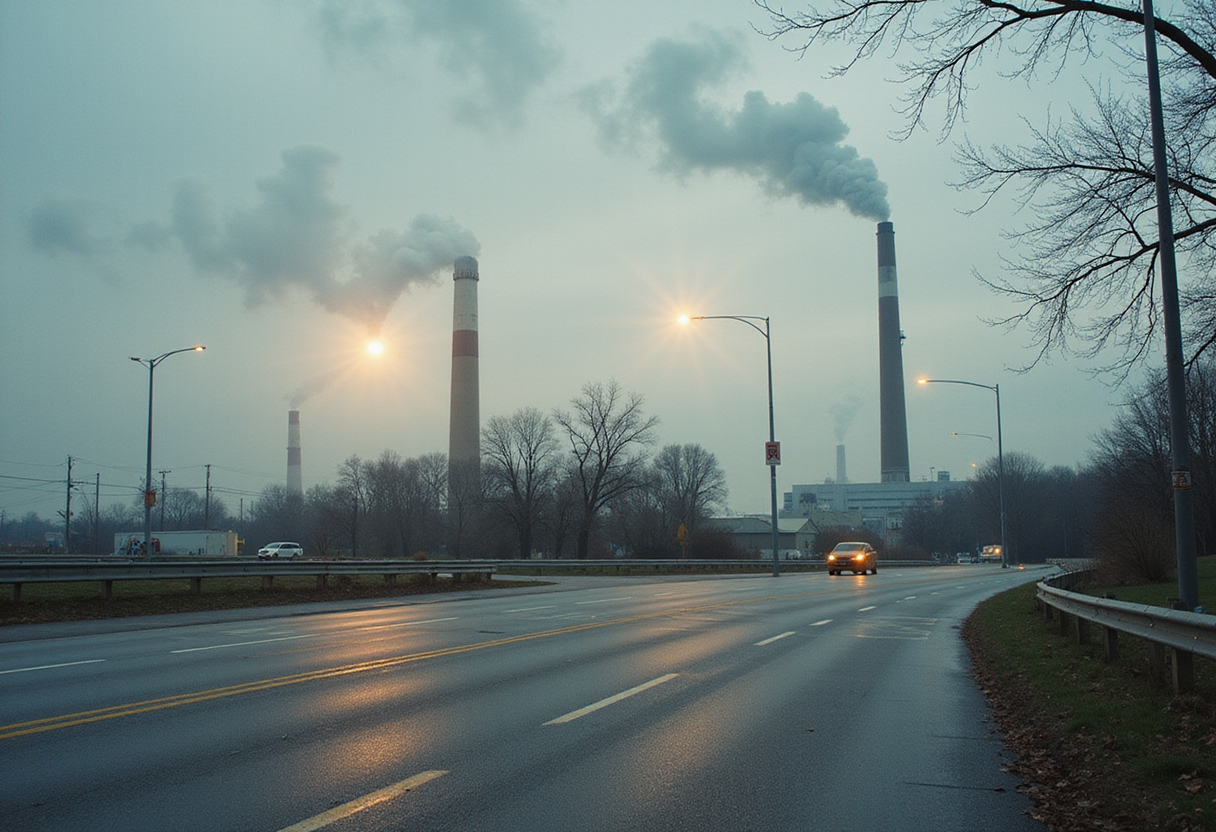
A DeSmog investigation has concluded that the petrochemical "renaissance" once projected for Pennsylvania has not materialized. The outlet's headline finding — "Pennsylvania's Petrochemical 'Renaissance' Hasn't Panned Out" — frames a verdict that revisits a decade of downstream development expectations tied to the state's position above the largest U.S. natural-gas plays.
Pennsylvania sits atop the Marcellus and Utica shales, the dominant dry-gas and wet-gas formations in the Lower 48. That geology underwrote industry projections that cheap in-basin natural-gas liquids would anchor new ethylene and downstream petrochemical capacity inside the state rather than feed the existing Gulf Coast cracker complex. The renaissance narrative gathered momentum through the mid-2010s, when developers advanced major cracker and derivatives projects and state and regional economic-development bodies promoted the buildout as a structural shift for the Ohio River corridor and the broader Tri-State region.
What does the verdict cover?
DeSmog's reporting contests that picture. The outlet, which has tracked fossil-fuel industry claims for years, characterizes the renaissance as having "not panned out." That framing implies capital commitments, employment outcomes, tax-incentive utilization and downstream throughput have all fallen short of the announced trajectory. The piece sits within DeSmog's broader scrutiny of fossil-fuel industry claims and the public incentives attached to them.
Why the gap matters upstream
For Marcellus and Utica producers, the shortfall shapes NGL economics. In-state petrochemical demand was meant to absorb a portion of the wet-gas stream that otherwise moves via long-haul pipelines toward Louisiana and Texas. Where that demand has not developed, the case for further fractionation capacity, the economics of ethane rejection versus recovery, and the justification for new in-region takeaway infrastructure all shift. Operators have responded in part by expanding NGL recovery, growing international ethane export liftings, and pursuing additional petrochemical partnerships elsewhere along the Ohio River.
How the broader cycle compares
The mid-2010s push paralleled the broader U.S. petrochemical cycle that lifted ethylene capacity to record highs. Most new capacity landed along the Gulf Coast, where existing infrastructure, port access and feedstock optionality concentrated. Pennsylvania's pitch was to capture a slice of that expansion through proximity to the Marcellus — an argument grounded in feedstock geography rather than logistics parity. The Atlantic-versus-Gulf dynamic has shaped the comparison DeSmog's verdict implicitly draws.
What to watch
Watch items: operating-rate and project disclosures from in-state cracker operators; any legislative or state-agency audit of the petrochemical tax-incentive programs that supported the renaissance pitch; the next round of capacity announcements from regional trade associations; and ethane pricing on Mariner East–adjacent systems that move Marcellus wet-gas toward Atlantic and Gulf Coast markets.
via Google News: Refineries and petrochemicals (Source)
More from Olivia Hart
Adjoining reports
- IEEFA: Shell's Monaca plant exposes Pennsylvania petrochemical underperformance
- Syracuse Study Links Conventional Oil Drilling to Waterway Degradation
- Shell to Pay $15 Million for Air Quality Violations at Pennsylvania Plant
- East Coast LNG Export Plans Suffer Another Setback
- Energy Transfer commits $2.625 billion to Delaware basin expansion