Well report No. RR-2009 · T21N · R30W · SEC 21 · filed October 10, 2026
Gas & LNGWell report
Qatari LNG Carrier Clears Strait of Hormuz, Sets Course for Karachi
Qatari LNG tanker Shandong Redwood cleared the Strait of Hormuz over the weekend and is due at Port Qasim on Sept. 23 — the tenth such cargo since April — as Pakistan copes with 12-hour rolling blackouts.
Field notes
- Bermuda-flagged Shandong Redwood ETA Port Qasim Sept. 23 after clearing Strait of Hormuz under a Pakistani-Iranian arrangement
- Pakistan has taken 10 Qatari LNG cargoes since April, including the Al Marrouna earlier this month
- Gas accounts for 17% of Pakistan's generation, with 5,000 MW of LNG-fired capacity needing four to five cargoes a month
- Spot LNG at highest level since 2022; Malik cites ~80% rise in international oil prices and ~50% rise in domestic petrol since March 1
- Rolling blackouts of up to 12 hours imposed; July Qatari cargo cancelled after Doha declared force majeure on Hormuz-affected shipments
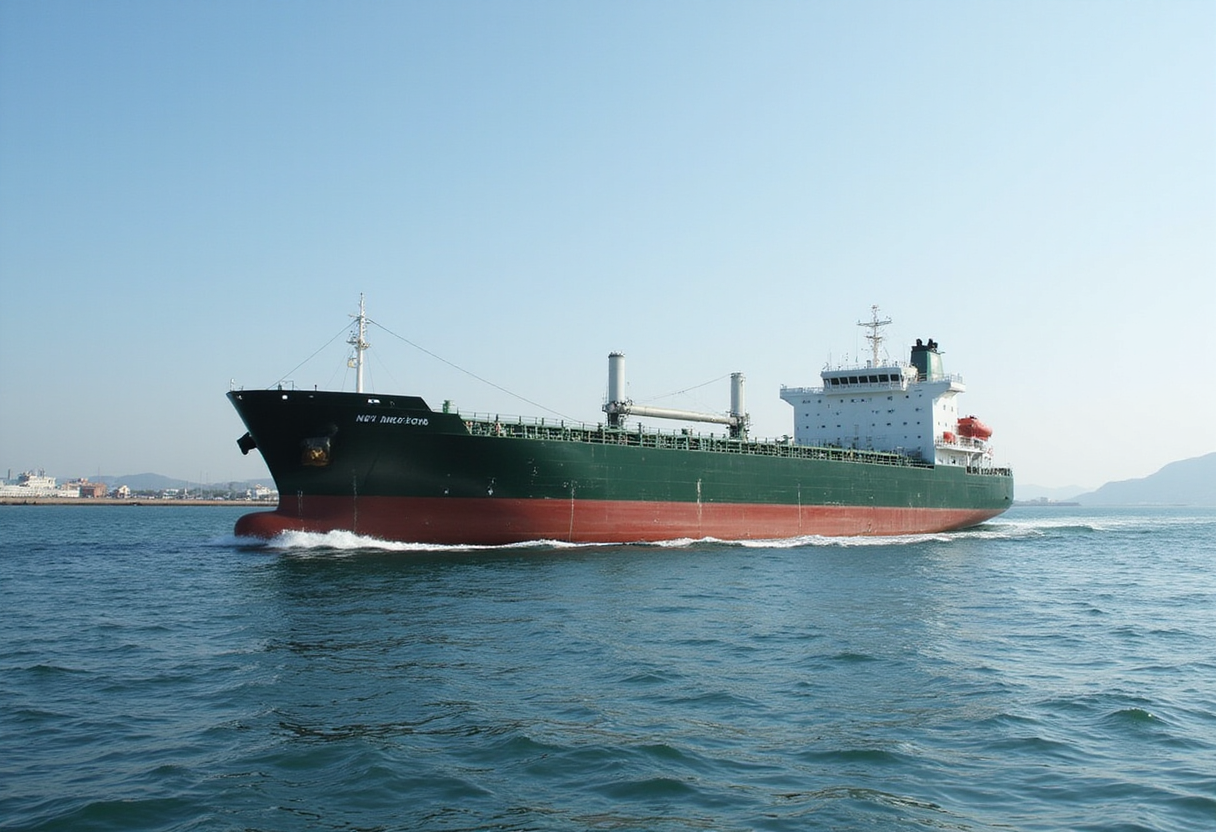
A Bermuda-flagged LNG carrier loaded at Qatar's Ras Laffan on June 28 has cleared the Strait of Hormuz and is scheduled to discharge at Port Qasim in Karachi on Sept. 23 — the second Qatari cargo to reach Pakistan this month and the tenth since April.
The 283-metre Shandong Redwood crossed the waterway over the weekend under an arrangement negotiated between Pakistani officials and Tehran, according to ship-tracking data and a Port Qasim Authority official. She had held station at Al Hamriyah in the United Arab Emirates from Sept. 7 before resuming the transit. AIS feeds distributed through VesselFinder and MarineTraffic show the tanker steaming through the Arabian Sea at roughly 7 knots with an 11.5-metre draft.
Pakistan had prepared a fallback. State buyers stood ready to tender a spot LNG cargo at premium pricing if the Shandong Redwood failed to transit, adding to an import bill already inflated by the Hormuz premium. Spot LNG prices have risen to their highest level since 2022, with traders pricing in war-risk and rerouting costs across the Gulf.
How exposed is Pakistan's power stack?
Natural gas accounts for about 17% of Pakistan's electricity generation, with coal, hydropower and nuclear covering the remainder. Pakistan runs roughly 5,000 MW of LNG-fired capacity and needs four to five cargoes a month during peak demand to keep those plants at full dispatch. Even with the Al Marrouna's early-September delivery, rolling blackouts of up to 12 hours have hit the national grid.
Petroleum Minister Ali Pervaiz Malik confirmed the Shandong Redwood had transited Hormuz and was carrying LNG to Karachi. "Pakistan has been using its ties with Iran to get LNG cargoes through the strait since fighting began in late February," he said, without elaborating on the negotiation terms.
What did the Hormuz disruption cost?
Speaking to reporters in Lahore, Malik said international oil prices have climbed roughly 80% and domestic petrol prices about 50% since March 1. He warned fuel prices could reach 1,000 Pakistani rupees per litre if a shortage develops, while insisting there was no current shortfall and that existing stocks remained adequate.
The wider freight picture remains strained. LNG traffic through the strait has run badly disrupted since late February. A Qatari cargo planned for July was cancelled after fighting around the waterway intensified; Doha subsequently declared force majeure on affected shipments. Pakistan has since canvassed alternative fuels and emergency supplies, including potential pipeline gas swaps, to bridge the squeeze.
What comes next at Port Qasim?
The Shandong Redwood's Sept. 23 arrival is the watch item. The cargo will discharge into Pakistan's regasification infrastructure at the southern terminal, feeding directly into the grid. The Al Marrouna already docked earlier this month, but the spot tender remains live as a hedge against further disruptions.
Doha's role magnifies the stakes. Qatar hosts the world's largest LNG export facility at Ras Laffan, and Energy Minister Saad Sherida Al Kaabi has acknowledged that "only a very small amount of LNG is currently moving through the strait." Pakistan sourced almost all of its LNG from Qatar last year under long-term agreements and has few quick substitutes outside the spot market.
The country has called for de-escalation in the Middle East to keep sea lanes open and protect regional trade routes, balancing diplomatic ties with both Washington and Tehran. Engagement with Tehran bought the Shandong Redwood her passage through Hormuz; whether the same channel holds for the next cargo will decide if the 12-hour blackouts persist, or if Port Qasim's September discharge cadence repeats into October.
via marineinsight.com (Original)
More from Olivia Hart
Adjoining reports
- Qatar Extends LNG Force Majeure as Hormuz Disruptions Drag On
- Iran Attacks Knock Out 17% of Qatar LNG Capacity: QatarEnergy
- QatarEnergy Extends LNG Force Majeure Through November
- Qatar extends LNG force majeure as Hormuz disruption drags on
- LNG Prices Climb as Strait of Hormuz Closure Tightens Global Gas Trade