Well report No. RR-9083 · T9N · R45W · SEC 9 · filed September 30, 2026
Midstream & PipelinesWell report
Saudi Arabia Cancels Oil Cargoes After Pipeline Disruption
Saudi Arabia has cancelled some crude cargoes after a pipeline hit, and its top buyer is chasing alternative barrels; volumes and repair timelines remain unresolved.
Field notes
- Saudi Arabia cancelled some crude oil cargoes after a pipeline was hit, Reuters reports.
- The kingdom's top buyer is actively seeking alternative crude supplies.
- Pipeline repair timeline and total volume affected remain undisclosed.
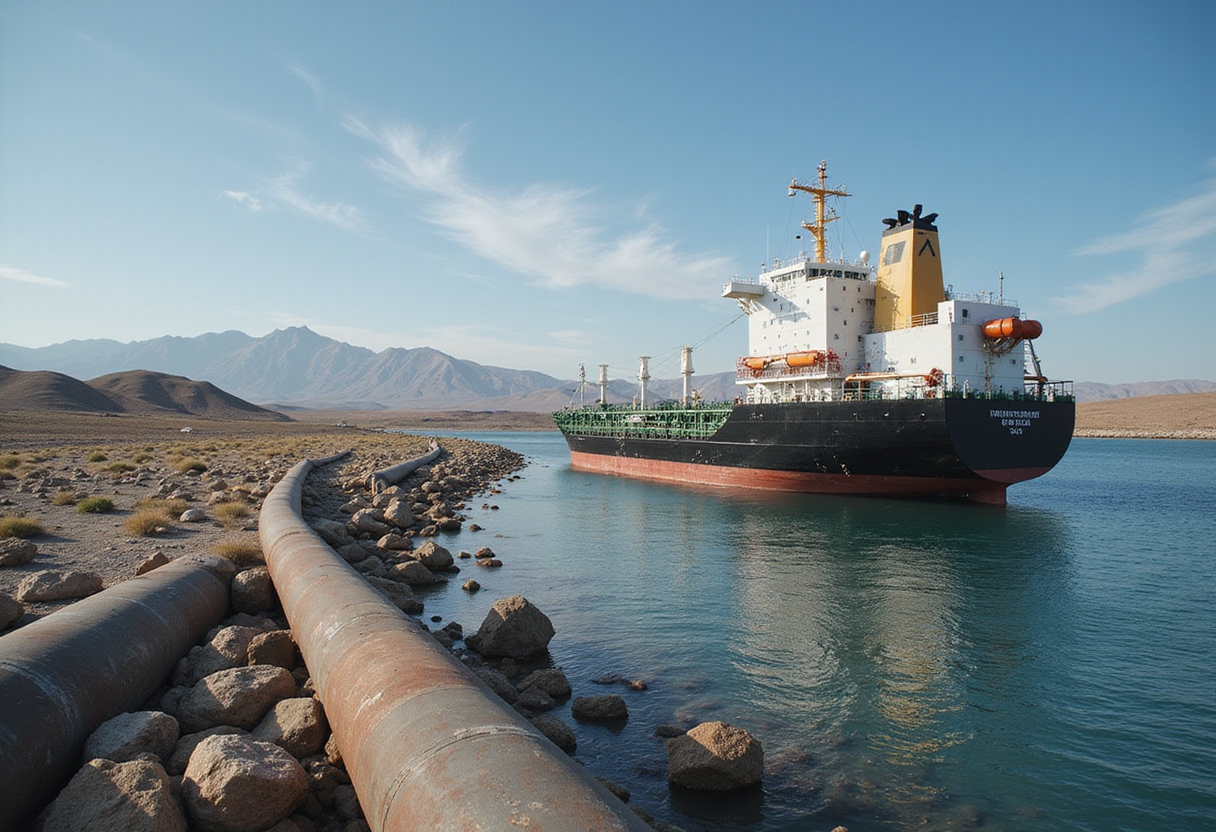
Saudi Arabia has cancelled some crude oil cargoes following a hit to a pipeline, and the kingdom's top buyer is now chasing alternative supplies, Reuters reports.
The cargo cancellations mark the first concrete commercial fallout from the pipeline incident. Until now, the market had traded the event largely on infrastructure risk. Buyers are now adjusting physical programmes in response.
The kingdom's largest crude customer is actively seeking replacement barrels elsewhere, according to the Reuters report. That search redirects demand toward other producers and trading hubs, and it will shape differential behaviour in the regions where Saudi barrels normally clear.
The cancellations also carry scheduling consequences. Crude that does not load on plan either moves to a later programme or disappears from the market entirely for the month affected. Traders will watch Aramco's monthly allocation statements and any revised loading schedules for clarification on volumes and destination cover.
For refiners, the operative question is timing. A cancelled cargo pulls feedstock out of a specific delivery window, and the replacement barrel must match the refinery's slate requirements — gravity, sulphur, and yield profile — not simply the volume. Substitutes trade at a premium when several buyers chase the same alternative grades at once, which is the dynamic now in play for the top buyer.
The pipeline hit itself remains the physical anchor of the story. Pipeline throughput, unlike terminal loadings, cannot be rerouted quickly. Repair timelines for damaged crude lines depend on the extent of the damage, and operators rarely disclose that detail while work is under way. The absence of a stated repair date keeps the duration of the disruption — and therefore the size of the lost barrel count — unresolved.
Market participants will treat any price reaction as analysis rather than fact. What is on record, per Reuters, is narrower and firmer: some Saudi cargoes are cancelled, and the top buyer is hunting alternatives.
The watch items from here are concrete. First, the scope of the cancellations — how many cargoes, which grades, and which loading month. Second, the pipeline repair estimate and any restart schedule. Third, the allocation and pricing decisions in the next official selling price cycle, which will show how the kingdom balances reduced availability against customer commitments. Each of those data points will tell the market whether this is a short scheduling disruption or a longer draw on spare capacity.
Reporting based on Reuters coverage of the cargo cancellations and buyer responses.
via Google News: Pipelines and midstream (Source)
More from James Calloway
Show full bio
Staff writer covering industry trends and analytics at Rig & Refinery.
108 articles