Well report No. RR-1112 · T12N · R31W · SEC 12 · filed October 10, 2026
Midstream & PipelinesWell report
Saudi Arabia Halts East-West Pipeline Flows After New Attack
Saudi Arabia has stopped oil flows on the East-West pipeline after a new attack, AFP reports, halting the artery that moves crude from Eastern Province fields to Red Sea terminals.
Field notes
- Saudi Arabia halted oil flows on the East-West pipeline after a new attack, AFP reported.
- The pipeline links Eastern Province production to Red Sea export terminals, bypassing the Strait of Hormuz.
- No claim of responsibility, casualty report, or restart timing was given in the AFP account.
- Price reaction to the news reflects trader analysis of supply risk, not a confirmed physical shortage.
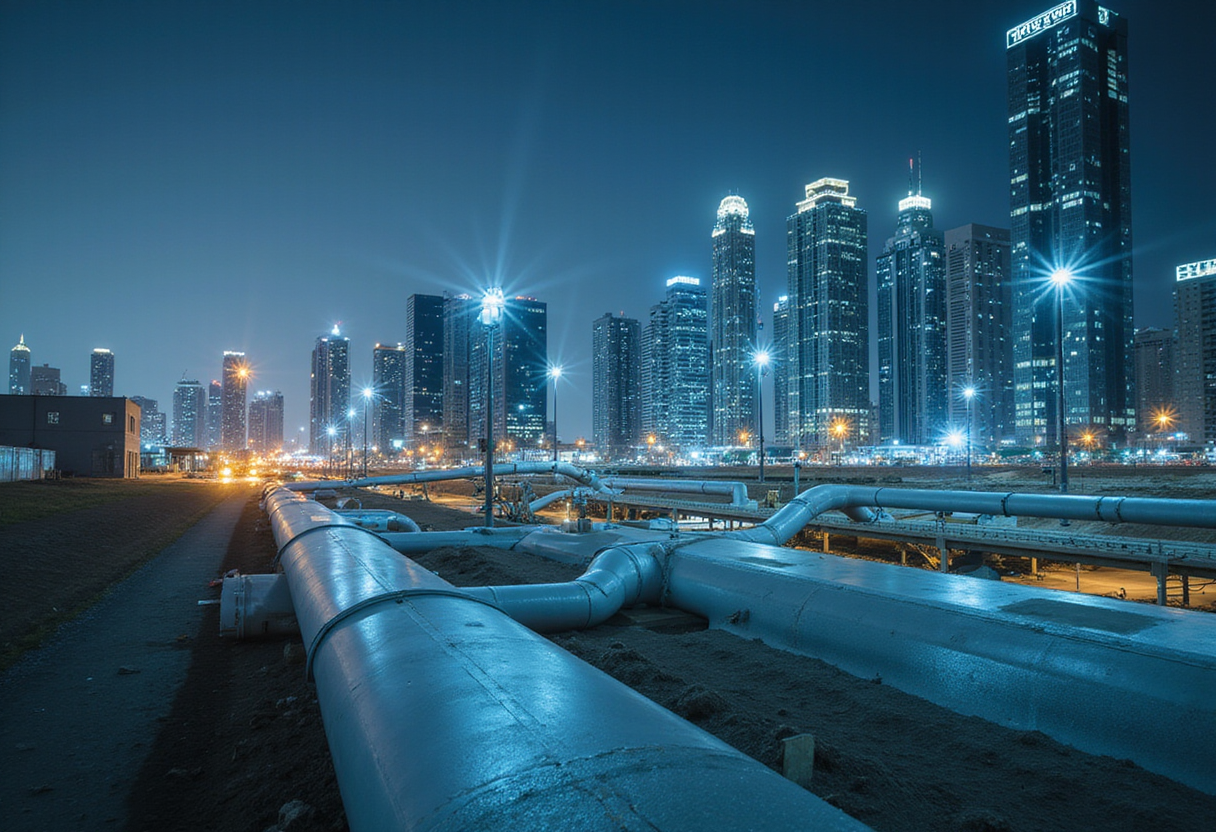
Saudi Arabia has halted oil flows on its East-West pipeline after a new attack, Agence France-Presse reported, stopping crude movement on the artery that carries barrels from the kingdom's Eastern Province fields to Red Sea export terminals.
The stoppage interrupts a conduit that links the producing heartland around Abqaiq and Ghawar to the western coast, where Saudi crude loads at Yanbu terminals bypassing the Strait of Hormuz. That routing has made the pipeline strategically valuable: cargoes moved westward on the line avoid the Gulf chokepoint that tankers must transit when loading from Ras Tanura and Ju'aymah on the Gulf coast.
The report attributing the halt to an attack carries weight for a second reason. The East-West line has been struck before, and each incident has tightened the market's attention on the security of Saudi above-ground infrastructure — pumping stations, the pipeline itself, and the gathering system around the world's largest oil-processing complex at Abqaiq.
What does a halt on the East-West line change?
The operational significance depends on duration. Saudi Aramco has historically used the pipeline, which parallels a parallel gas line across roughly 1,200 km of desert, to move about 5 million bpd of crude capacity toward the Red Sea when running at full rates — but actual throughput flexes with export strategy, and the company has not stated how much oil was moving at the moment of the halt.
A short suspension chiefly complicates scheduling for western-bound cargoes. A prolonged one would force more volumes back through Gulf terminals and the Strait of Hormuz, the exact routing the pipeline exists to avoid.
Market reaction, in AFP's telling of the news flow, reflected the familiar pattern: prices firmed as traders priced in the risk that infrastructure attacks on Saudi facilities could recur and tighten physical availability from the world's largest crude exporter. That price commentary is analysis to attribute, not an established outcome — forward curve structure will show within days whether the disruption registers as more than a headline.
What was hit, and how does it fit the pattern?
According to the AFP account, the new attack targeted the pipeline itself, and Saudi authorities halted pumping in response. The agency did not report casualties, a claim of responsibility, or an estimate of when flows would resume. Aramco has not published a statement on restart timing or on the volumes affected.
The incident lands in a sector where redundancy is limited. Saudi Arabia can surge some Red Sea exports only if the East-West line and the Yanbu terminal complex operate; a sustained outage narrows the kingdom's options for Hormuz-bypass volumes.
What to watch next
The operative questions are three: when Aramco confirms restart, whether any force majeure touches cargo commitments, and how export allocations for the coming month account for the interruption. Traders will also watch official selling prices and freight rates on the Red Sea route for the first read on how the market prices the security premium.
Until the company or the energy ministry confirms resumption, the East-West pipeline joins the short list of Saudi bulk-crude infrastructure with a live security question attached — and the benchmark prices most exposed to the answer are Brent and Dubai, the markers for the export routes the line feeds.
via Google News: Pipelines and midstream (Source)
More from Daniel Okafor
Show full bio
Market editor covering consumer brands and retail at Rig & Refinery.
321 articles
Adjoining reports
- Pumping Halted on Saudi East-West Pipeline After New Attack
- East-West pipeline pumping halted after new attack, sources tell AFP
- Saudi Pipeline Shutdown, Houthi Island Seizure Open New Front
- East-West Pipeline Flows Uninterrupted, Source Tells Reuters
- Saudi Arabia Cancels Europe Oil Shipments After East-West Pipeline Blast